Salon Marketing That Works — Attract New Clients and Keep Them Coming Back
Digital marketing for salons brings together local search, social storytelling, paid ads, seamless booking, and helpful content so you get more appointments and repeat guests. This guide gives clear, prioritized tactics salon owners and managers can put into practice: improve local discovery, turn browsers into bookings, and keep clients coming back with targeted follow-up. You’ll find salon SEO tips for local visibility, social strategies that spark engagement, budget-smart ad approaches, mobile-first website and booking best practices, retention-focused content ideas, and steps to optimize for AI-driven search and featured snippets. Each section includes step-by-step actions, on-page and off-page examples, and quick checklists you can apply to women’s, men’s, and children’s haircuts as well as color and keratin treatments. Follow these strategies to align search intent with service pages, boost visibility for queries like “hair salon Bethesda” and “hair salon near me,” and build a dependable funnel from discovery to rebooking.
How Can Local SEO Boost Your Hair Salon’s Visibility in Bethesda?
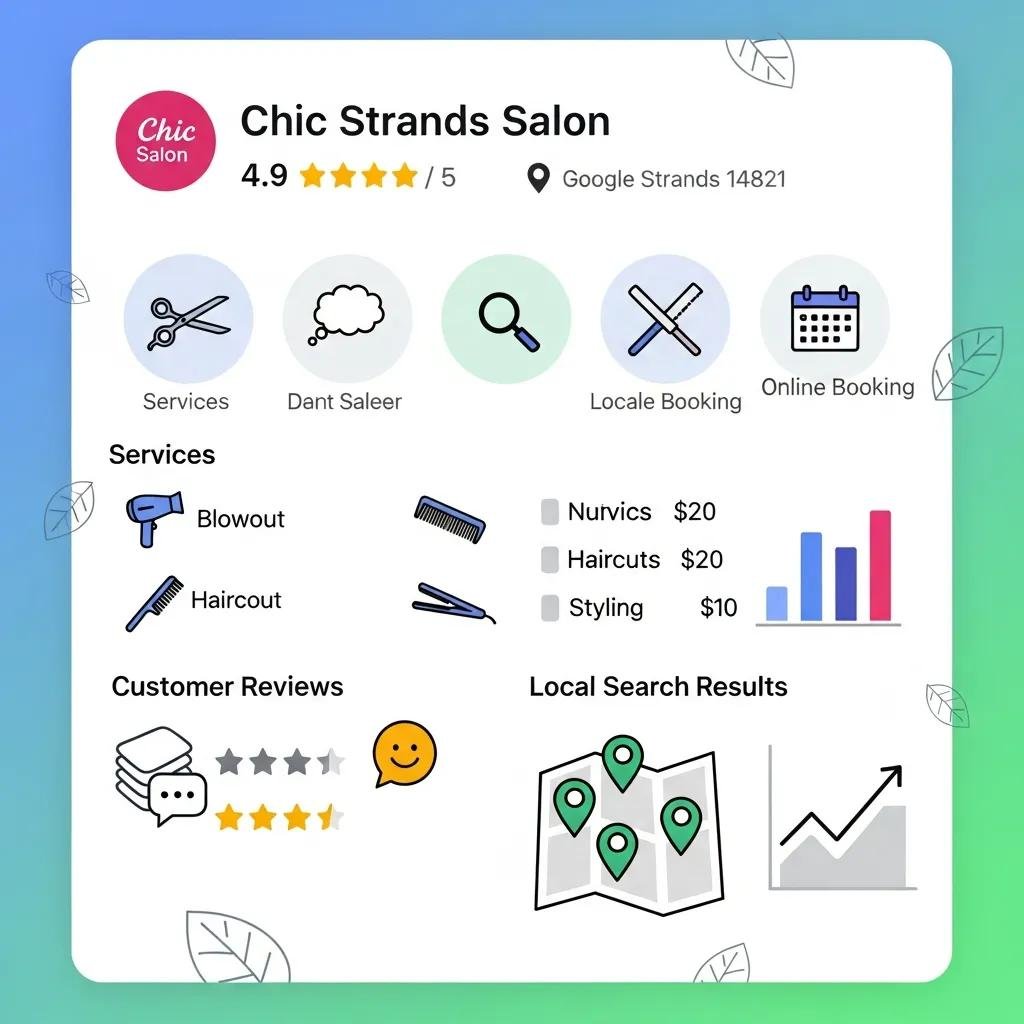
Local SEO helps search engines connect nearby customers with your salon — think searches like “hair stylist Bethesda.” It’s about aligning your structured business data, service pages, and review activity with local keywords and a fully-optimized Google Business Profile (GBP). The payoff is measurable: higher local rankings bring more qualified visitors who are ready to book. Core tasks—consistent NAP listings, service + location keyword targeting, and active review management—produce steady visibility gains over time.
To improve your chances of earning featured snippets and a spot in the local pack, try these focused steps:
- Complete and optimize your Google Business Profile: choose the right primary category, list services in detail, and add fresh photos each month.
- Use service + location keywords on service pages and in meta tags (for example, “balayage Bethesda”).
- Ask for reviews, make it easy for clients to leave them, and reply promptly to keep recency and relevance high.
- Keep your NAP (name, address, phone) consistent across directories and local sites to strengthen location signals.
This quick table summarizes key GBP fields and the actions we suggest to prioritize local SEO wins:
Regular, monthly GBP updates and fresh visuals compound over time to improve local rankings and click-through rates.
Kylie Studio Salon is a practical local example: the salon lists core services such as haircuts, styling, highlights, color, perms, and keratin treatments and tailors its Google Business Profile for Bethesda searches. The salon’s address at 4711 Montgomery Ln, Suite 2, Bethesda, MD 20814 and a GBP set to the primary category “Hair Salon,” with updated photos and clear service descriptions, shows how these optimizations look in practice. Applying the same setup — correct category, detailed service listings, and regular photos — helps any local salon capture more “hair salon near me” and “keratin treatment Bethesda” searches.
What Are the Best Local Keywords for Hair Salons in Bethesda?
Strong local keywords pair the service with a location modifier and match either transactional (ready to book) or informational (research) intent. Transactional phrases signal booking intent — for example, “balayage near me” or “keratin treatment Bethesda.” Informational phrases attract people researching options, like “best balayage technique” or “how long does keratin last.” Start with a seed list and expand into long-tail queries that include service, stylist, and intent words.
Suggested prioritized keywords and intent:
- “hair salon Bethesda” — transactional
- “hair stylist Bethesda” — transactional
- “balayage Bethesda” — transactional
- “keratin treatment Bethesda” — transactional
- “highlights near me” — transactional
- “men’s haircut Bethesda” — transactional
- “children’s haircut Bethesda” — transactional
- “best balayage technique” — informational
- “how to care for color-treated hair” — informational
- “stylist portfolio Bethesda” — informational
Use these keywords in page titles, H1s, meta descriptions, and GBP service names. For example, a service page titled “Balayage in Bethesda — Natural-Look Highlights” directly connects search intent to a booking path and strengthens local relevance.
How Do Client Reviews Influence Local Search Rankings?
Client reviews matter for local rankings because of volume, recency, relevance of wording, and owner responses. Together, those review signals play a meaningful role in local-pack placement. Fresh, service-specific reviews help your GBP look topical and trustworthy for local queries, so regularly asking for feedback is important.
Practical ways to collect and manage reviews include automated post-appointment prompts, small in-salon signs with a clear request, and short message templates clients can follow. Try these friendly, simple prompts when asking for feedback:
- “Thanks for visiting — if you loved your cut, would you share a quick review mentioning the service you received?”
- “We’d love your thoughts on your highlights — your review helps others find the right stylist.”
Reply to reviews within 48–72 hours when you can, echoing service names and location where appropriate and addressing any concerns. Track review volume and average rating over time and compare those trends to local ranking and booking performance.
Which Social Media Marketing Techniques Drive Engagement for Hair Salons?
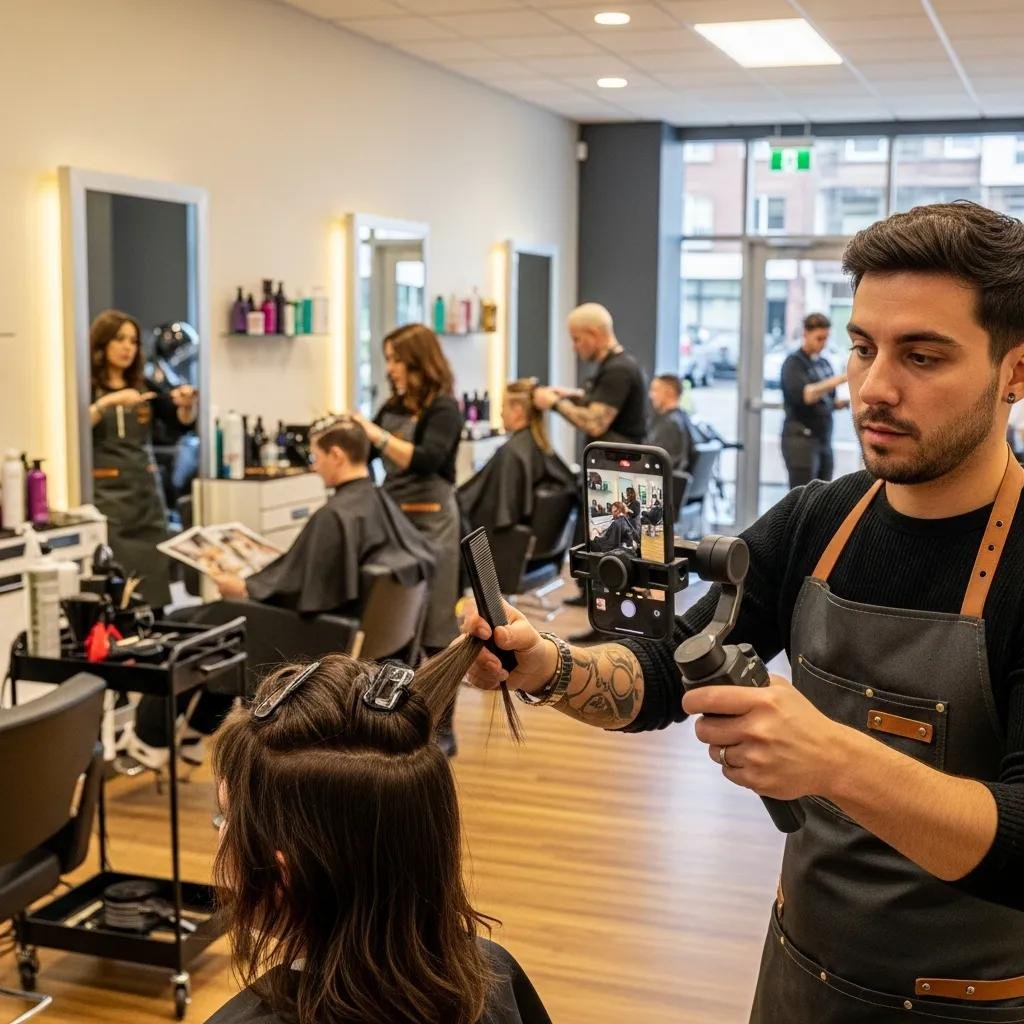
Social media for salons is about visual storytelling: show transformations, teach useful tips, and make it easy to book from a phone. Short videos and strong photos build emotional connection and social proof, while thoughtful captions and geotags steer viewers to your booking link. The result: more local awareness and followers who convert to appointments when content and booking channels are aligned.
Top social techniques that boost engagement:
- High-quality before-and-after photos and transformation reels that highlight real results.
- Short, helpful videos with aftercare tips and styling how-tos to build trust and authority.
- User-generated content and client spotlights that amplify social proof and local reach.
Use this quick platform guide to decide where to focus your content:
Prioritize Reels and TikTok for discovery, use Instagram carousels for portfolio depth, and always include a booking link in your profile CTAs.
Kylie Studio Salon provides a clear example: the salon keeps a polished portfolio and before-and-after gallery on its site and mirrors those assets on social platforms to drive bookings. Geo-tagging posts for Bethesda and adding a simple call-to-book turns social engagement into appointments while supporting local discovery.
How to Showcase Salon Services Effectively on Instagram and TikTok?
Show services with an intentional content mix: aim for roughly 60% portfolio, 20% education, and 20% promotions. Reels and TikTok clips should be visual and punchy — hook viewers in the first 1–3 seconds with a before/after moment. Add captions that name the service and include one clear CTA, like “Check availability” or “Book online.”
Practical steps: film clean before-and-after sequences, use short text overlays that state the service (for example, “Balayage transformation — 3 hours”), and add a quick voiceover tip for aftercare. Use consistent hashtags and a local geotag to improve discovery for “hair salon Bethesda.” Save highlights or pin posts that organize portfolio, pricing, and booking instructions so new clients can browse easily.
This focused approach converts scrolling attention into booked appointments by combining visual proof, brief education, and a single prominent booking action.
What Content Ideas Increase Followers and Bookings on Social Platforms?
Repeatable, high-value content grows followers and drives bookings when paired with a clear CTA and steady posting rhythm. Here are practical ideas with suggested cadence to keep your feed fresh and conversion-oriented.
Content ideas to increase followers and bookings:
- Weekly client transformation series with before-and-after photos to showcase real results.
- Short tutorials (1–2 per week) on styling and at-home care to build authority.
- Stylist spotlights once a week to introduce your team and specialties.
- Limited-time offer posts with a booking CTA and an expiration to create urgency.
- User-generated content campaigns asking clients to share their looks with a branded hashtag.
- Trend-driven challenges or duet content on TikTok to expand reach.
- Seasonal color or treatment promos tied to blog posts for deeper context.
- Behind-the-scenes content to show the salon experience and ease first-time guest nerves.
- Quick product picks or at-home maintenance tips to drive retail and add value.
Always include a single CTA — book now, check availability, or message for pricing — and keep a content calendar so followers see consistent themes. Review performance monthly and double down on formats that lead to bookings.
How Does Online Advertising Enhance Client Acquisition for Hair Salons?
Ads help you reach people who are ready to book and those who need awareness nudges. Google Search and Local Services Ads capture users actively searching for services, while Facebook and Instagram ads build awareness and retarget interested visitors with visual creatives. The key is matching ad intent to conversion-ready landing pages and tracking properly so you control acquisition cost and lift booked appointments.
Balance immediate-intent channels with awareness channels:
- Use Google Search and local-intent campaigns for service + location queries.
- Use Facebook/Instagram to build awareness and retarget site visitors with offers.
- Test budget allocations and measure CPA to find the most efficient mix.
This table helps prioritize campaign types and targeting:
In short: search campaigns catch high-intent inquiries, while social ads support discovery and remarketing to nudge prospects toward booking.
What Are Effective Google Ads and Facebook Ads Strategies for Salons?
Successful ad campaigns pair tight targeting with landing pages built to convert. For Google Ads, use service + location keywords (for example, “highlights Bethesda”), enable call and location extensions, and send clicks to landing pages that list the stylist, duration, and a clear booking button. For Facebook and Instagram, use carousel or video ads showing transformations and send traffic to a booking page or a direct message funnel for consultations. Segment audiences into new-client prospects, recent site visitors, and past clients, then tailor creatives and offers accordingly.
Sample ad elements to use:
- Headline: “Balayage & Highlights — Book in Bethesda”
- Description: “Custom color by expert stylists; limited openings this month.”
- CTA: “Check Availability” or “Book Now”
- Landing page essentials: service overview, stylist bios, gallery, and booking widget
Always split-test creatives and messaging, and follow up with retargeting sequences that reduce friction for first-time bookings.
How to Measure ROI from Salon Online Advertising Campaigns?
Track bookings back to ad channels using UTM tags, conversion events, and booking-system integrations. Measure booked appointments (not just form fills) so you can calculate cost per acquisition (CPA) and return on ad spend (ROAS). The ROI formula is simple: (revenue from ad-attributed clients − ad spend) ÷ ad spend = ROAS.
Key metrics to monitor:
- Cost per booked appointment (CPA)
- Conversion rate from ad click to booking
- ROAS (revenue from ad-attributed clients ÷ ad spend)
- Lifetime value (LTV) of acquired clients for long-term ROI
Set up UTMs, track conversion events in Google Analytics or your booking tool, and reconcile bookings with ad spend weekly. Use retention data to estimate LTV and set sustainable CPA targets.
Why Is a Mobile-Friendly Website and Online Booking Essential for Salons?
A mobile-first website with online booking removes friction at the moment of intent, making it faster and easier for people to schedule. Click-to-call, obvious booking CTAs, and quick service pages shorten the path from discovery to confirmed appointment, which raises mobile conversion and reduces abandonment.
To capture mobile-first visitors, prioritize responsive design, clear service menus, visible booking buttons, and minimal form fields. Make sure portfolio images load quickly and stylist profiles are easy to find so clients can book with confidence.
Kylie Studio Salon’s online booking is a practical example: a booking widget and clear service menus cut steps out of the process. Showing haircuts, styling, and keratin treatment options alongside portfolio images and a prominent booking CTA helps turn search and social traffic into confirmed appointments.
How Does Online Booking Reduce Friction and Increase Appointments?
Online booking automates availability checks, removes phone tag, and instantly confirms appointments — all of which encourage commitment. The journey shortens when users can tap a booking button, choose a service and time, and get an immediate confirmation and reminders. That reduces drop-off and lowers no-shows with automated reminder workflows.
Best practices: limit required fields, display stylist availability, offer simple service categories, and send confirmation and reminder messages. Keep calendars synced to avoid double bookings and provide immediate confirmations that build trust and encourage repeat visits.
These small UX improvements increase appointments by lowering the time and cognitive cost of scheduling, especially for mobile users on the go.
What Website Features Improve User Experience for Salon Clients?
Certain website features consistently lift conversion because they answer common client questions and reduce booking hesitation. Essentials include clear service pages that explain the process, a booking CTA on every page, stylist profiles with specialties, before-and-after galleries, easy-to-find contact info, and an FAQ covering pricing and policies. These site components work together to build credibility and make booking decisions easier.
Prioritize fast page loads, mobile responsiveness, and fewer clicks to book. Use micro-copy that reassures — for example, a short note describing what a first visit includes and what clients should expect during a treatment. Prominent stylist bios and portfolios help guests choose the right service and stylist with confidence.
A prioritized feature checklist guides development and content planning so your site becomes a reliable conversion engine for new and returning clients.
What Role Does Content Marketing Play in Hair Salon Client Retention?
Content marketing keeps clients coming back by teaching them about aftercare, promoting seasonal services, and giving them reasons to return through newsletters, blog posts, and short videos. Educational content builds trust and positions stylists as experts, which increases perceived value and encourages rebooking and referrals. Over time, helpful content answers common client questions and supports upsells like keratin touch-ups or color maintenance.
Use a content calendar to align educational posts with seasonal needs and pair blog content with email reminders timed to appointment intervals to prompt rebooking. Internal links from blog posts to service pages and stylist profiles also help SEO for service keywords.
How to Create Educational Blog Posts That Link to Salon Services?
Use a simple blog template that converts readers into clients: start with the problem, explain the solution, offer step-by-step tips, and finish with a clear service recommendation and booking CTA. For example, “How to Extend Your Color Between Appointments” can outline color-safe habits, recommend salon products, and end with a prompt to book a color-refresh appointment.
Structure posts with headings, include 1–2 internal links to relevant services and stylist bios, and add before-and-after images from your gallery to support the advice. Include a short CTA panel that links directly to online booking.
This approach teaches readers, shows your expertise, and creates natural paths from content to appointments.
Why Are Stylist Profiles and Before-and-After Galleries Important?
Stylist profiles and before-and-after galleries act as social proof and authority signals that lift conversion by showing real results and specialties. Be specific: list each stylist’s strengths, show images attributed to them, and include booking links so clients can choose with confidence. Adding schema markup for Person and Service also helps search engines display richer results and can support featured snippet opportunities.
Best practices: caption images with the service and stylist, keep portfolios fresh, and write concise bios that list specialties, link to services, and share a short personal approach statement. Organize galleries by service type (for example, balayage or keratin treatment) so prospects can quickly find the looks that match their goals.
These elements turn interest into bookings by showing outcomes and connecting potential clients to the right stylist.
How Can Hair Salons Optimize for Google’s AI Search and Featured Snippets?
Optimizing for AI-driven search and featured snippets means writing clear Q&A blocks, using structured data, and providing short lead-in answers that satisfy both people and machines. The idea is structured clarity: give a concise, authoritative answer up front, then expand with helpful detail so search engines can pull extractable content for summaries and featured snippets. This approach improves visibility for questions like “how long does keratin treatment last” or “best balayage aftercare.”
Add FAQ blocks on service pages, craft 40–60 word direct answers for snippet potential, and follow with supporting paragraphs. Use semantic statements that connect entities and relationships (for example: “Balayage [entity] softens root contrast [relationship] by lightening surface hair [entity]”) to help AI understand the content.
What Are the Best Practices for Structuring Q&A Content for Salons?
For Q&A content, start with a direct 40–60 word answer, then add 1–2 short paragraphs with actionable steps or examples. Add FAQ structured data on service pages and blog posts where questions naturally appear, and use headings that match user queries to increase relevance. Keep answers factual, include service names, and link to the related booking or service page.
Example snippet structure:
- Question as H2/H3.
- Direct answer (40–60 words).
- Short elaboration with steps or examples.
- Link to service page or booking in the final line.
This format helps AI summarizers and improves the chance of appearing in People Also Ask and featured snippets.
How to Use Schema Markup to Enhance Search Result Appearance?
Add LocalBusiness, a HairSalon subtype, Service, Person, AggregateRating, and FAQPage schema where appropriate to give search engines clear context about your salon. Key properties include name, address, telephone, offers, aggregateRating, and service descriptions. Place LocalBusiness markup on the homepage, Service schema on service pages, Person schema on stylist bios, and FAQPage schema for Q&A sections.
A simple checklist for schema:
- Add LocalBusiness schema with your verified address and phone.
- Mark up service pages with Service and offer details.
- Use Person schema for stylist bios and specialties.
- Apply FAQPage schema to Q&A blocks and test with structured data tools.
Structured data increases the chance of richer search appearances and better AI-generated summaries, which can improve click-through rates.
Kylie Studio Salon — example CTA copy you can adapt: Kylie Studio Salon accepts online bookings for haircuts, color, highlights, perms, and keratin treatments. A simple booking CTA could read: “Reserve your appointment at Kylie Studio Salon — Bethesda stylists are available for consultations and bookings.” For local demonstration, the salon’s address is 4711 Montgomery Ln, Suite 2, Bethesda, MD 20814 and the phone number is 301-922-7864. Use clear CTAs like “Check availability” or “Book online” across your GBP, social profiles, and website to turn local search and social interest into appointments.
Frequently Asked Questions
What are the key benefits of using social media for hair salons?
Social media raises your visibility, helps you showcase work, and builds client relationships. Platforms like Instagram and TikTok let you share transformations, tutorials, and promos that attract new clients and keep regulars engaged. They also open a direct line to clients so you can answer questions, gather feedback, and grow a loyal local community.
How can salons effectively manage their online reputation?
Monitor and respond to reviews across Google, Facebook, and other platforms. Encourage happy clients to leave quick reviews and respond to any negative feedback professionally and promptly. Tools like Google Alerts or social listening help track mentions. Regularly updating your Google Business Profile and engaging on social media strengthens trust and draws new clients.
What role does email marketing play in client retention for salons?
Email keeps you top-of-mind: send booking reminders, seasonal offers, and helpful tips to encourage repeat visits. Personal touches — birthday messages, product suggestions based on past services — make emails more effective. Segment your list by client behavior to send targeted messages that increase rebookings and lifetime value.
How can salons utilize video content to attract clients?
Video is one of the best ways to show what you do. Create short tutorials, transformation reels, and behind-the-scenes clips to highlight your expertise and salon experience. Post on Reels and TikTok for broad reach, and use clear CTAs to turn viewers into bookings. Good storytelling and consistent posting make video a strong client-acquisition tool.
What are some effective ways to promote seasonal services?
Run targeted campaigns that highlight seasonal needs — summer hair care, winter hydration treatments, or holiday styles. Use social posts, email newsletters, and blog articles to explain the value. Partner with local influencers, host pop-up events, and offer limited-time packages to create urgency and bookings.
How can salons track the effectiveness of their marketing strategies?
Use analytics to monitor KPIs like website traffic, conversion rates, and social engagement. Add UTM tags to campaign links so you can see which channels drive bookings. Regularly review client feedback and booking patterns to see what’s working, then iterate based on real data.
What are the best practices for creating a salon blog?
Write about topics your clients care about — hair care tips, trend roundups, and clear service explanations. Keep posts useful, optimized for search, and visually supported with images or short videos. Include CTAs that link directly to booking pages and promote each post via social and email to drive traffic and conversions.
Conclusion
Simple, consistent digital marketing can meaningfully grow your salon: optimize local SEO, tell your story on social media, run focused ads, and make booking effortless. These tactics bring new clients in and give them reasons to return. Start small, measure what works, and ramp up the tactics that turn discovery into bookings and one-time guests into loyal clients.