Transform Your Hair: Discover How Deep Conditioning Masks Build Healthier, Longer-Lasting Hair
Deep conditioning masks are concentrated treatments that penetrate the hair shaft to restore moisture and rebuild structure so strands look and feel healthier. They work by combining humectants, proteins, and emollients that attract water, reinforce weakened keratin, and smooth the cuticle to reduce porosity and friction. In this guide you’ll learn how masks differ from daily conditioners, which hair concerns they target, when a salon treatment is worth it, and simple at-home steps to extend results. Whether heat styling, color work, or the environment has left your hair dry, brittle, or frizzy, the right mask can improve elasticity and shine. We’ll walk through mask types and ingredients, match damage profiles to repair strategies, compare salon and at-home options, outline a professional treatment workflow, and finish with practical maintenance tips and rules of thumb for follow-up visits—so you’ll know when a weekly DIY mask is enough and when an in‑chair session speeds your recovery.
What Are Deep Conditioning Masks and Why Are They Essential for Hair Health?
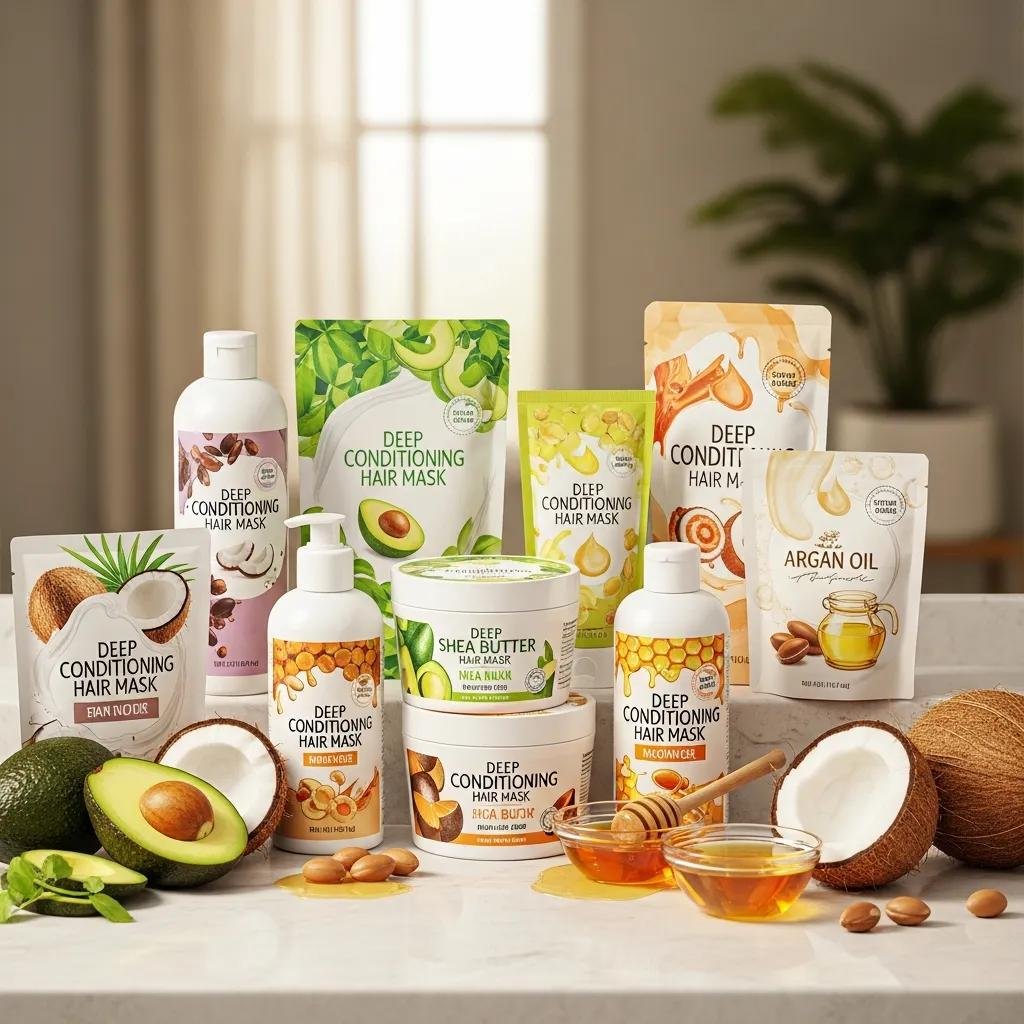
A deep conditioning mask is a high‑concentration treatment designed to move past the cuticle and deliver actives into the cortex, restoring moisture balance and structural proteins. Masks rely on longer contact time and stronger active levels than regular conditioners, which helps improve elasticity, reduce breakage, and boost shine through true repair and sealing. That’s why masks are especially important for chronically dry, chemically treated, or highly porous hair—because they work on root causes, not just surface smoothness. Below is a clear comparison of common mask types to help you pick one that addresses your main concern.
Different masks target specific repair pathways and produce visible improvements thanks to their ingredient profiles.
Choose the mask that aligns with your goal—hydrate, repair, or add shine—and you’ll get more predictable results than guessing at random.
How Do Deep Conditioning Treatments Differ from Regular Conditioners?
Deep conditioning masks differ mainly in concentration, contact time, and how deep they act inside the hair fiber. Masks contain higher levels of humectants, proteins, and bond‑builders and are usually left on for a longer period—commonly 10–30 minutes—so ingredients can diffuse into the cortex. Regular conditioners use lighter emollients and quick‑rinse smoothing agents meant for daily use; they improve manageability but don’t rebuild structure. Use a daily conditioner for everyday detangling and a weekly (or as‑recommended) deep mask when your hair needs restoration. Note that professional masks can use controlled heat or bond builders to speed and strengthen results.
These differences explain why a consistent deep-conditioning routine often leads to lasting gains in elasticity and fewer split ends compared with conditioner alone.
What Key Benefits Do Deep Conditioning Masks Provide for Hair?
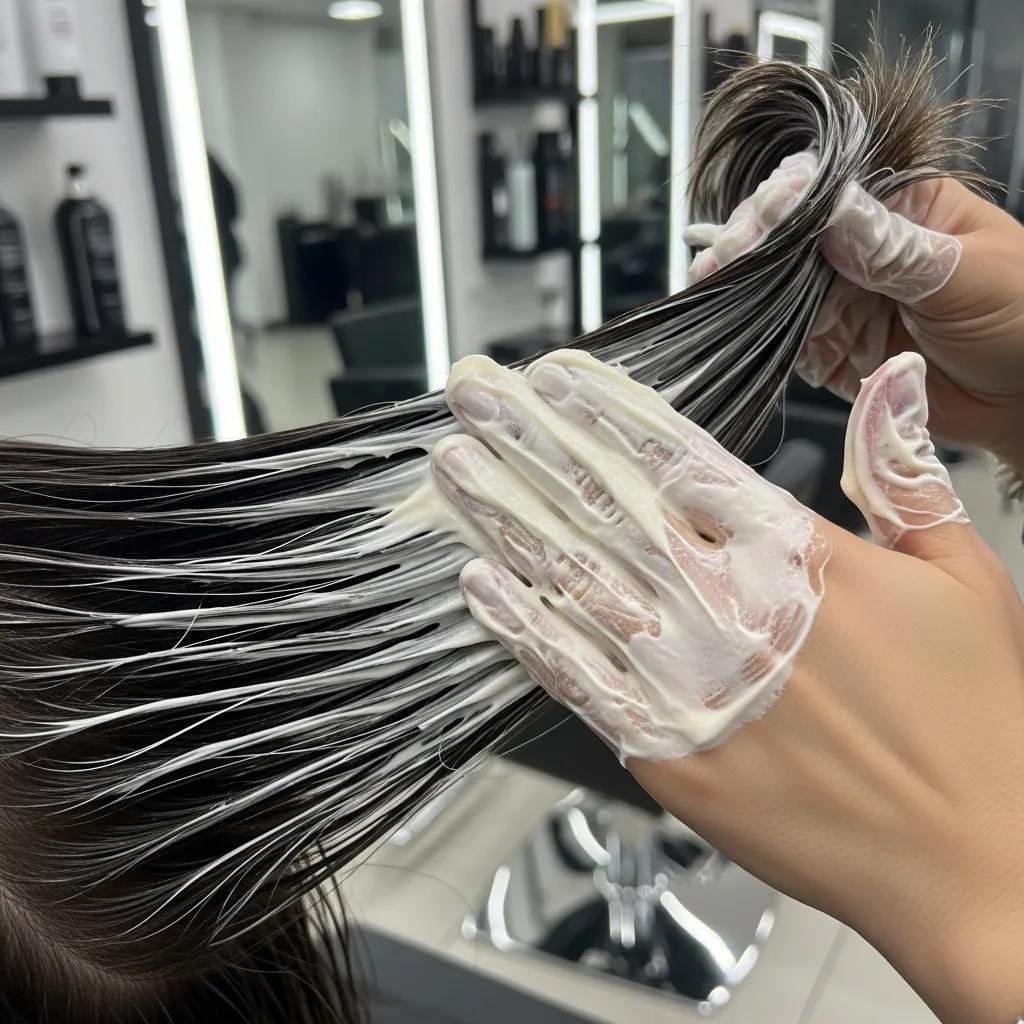
Deep masks combine hydration, protein replacement, and cuticle smoothing into one focused treatment. Humectants pull and hold moisture in the cortex to soften and reduce brittleness. Proteins, keratin fragments, and bond‑repair chemistries fill gaps in damaged fibers and increase tensile strength to reduce breakage. Oils and emollients seal the cuticle, lower friction, and boost shine by improving surface smoothness. Together, these actions produce hair that feels stronger, is easier to manage, and resists daily wear better.
Expect softer texture, fewer breakages, less frizz, and greater luminosity with regular, appropriate mask use—results that compound over time.
How Does Deep Conditioning Repair and Transform Damaged Hair?
Deep conditioning tackles damage by correcting moisture‑to‑protein imbalances and smoothing the cuticle to prevent further mechanical or environmental wear. Masks blend humectants for hydration, proteins for structural rebuilding, and emollients to seal and protect—reducing porosity, increasing elasticity, and lowering the friction that leads to split ends. Results vary with damage type and consistency of use, but many clients notice improved manageability and less breakage within a few treatments. The table below pairs common damage profiles with the repair mechanisms that work best.
Different problems need different strategies; the table links visible issues to the practical mechanisms used in effective masks.
Mapping issues to mechanisms helps you choose treatments that deliver realistic improvements on a sensible timeline.
What Types of Hair Damage Can Deep Conditioning Masks Address?
Masks help with a range of damage: heat‑induced roughness, chemical effects from coloring or bleaching, environmental dryness, and mechanical wear from brushing or friction. Heat damage often appears as raised cuticle layers and reduced elasticity; hydrating masks with light proteins and smoothing oils can restore pliability. Chemical damage benefits from targeted protein replacement and, when available, bond‑repair chemistries that reconnect weakened keratin links. Environmental and mechanical damage respond to repeated humectant and emollient treatments that rebuild moisture and reduce surface friction. Spotting the dominant damage type—brittleness, breakage, frizz, or dullness—guides your formula and frequency choice.
Identify your main concern first, and you’ll match ingredients to results more efficiently.
Which Ingredients in Hair Masks Promote Effective Hair Repair?
Repair depends on five ingredient groups: proteins and keratin fragments for structure, humectants for moisture retention, emollients and oils for sealing and shine, bond‑repair agents for reconnecting keratin chains, and supportive vitamins/minerals for overall fiber and scalp health. Hydrolyzed keratin and plant peptides fill cortical gaps and boost strength; glycerin and hyaluronic acid pull water into the fiber; argan, jojoba, and coconut oils smooth the cuticle and increase reflectivity. Bond‑repair chemistries work at the chemical linkage level to restore integrity after bleaching or perming. Knowing these roles helps you read labels and choose a mask that matches your hair’s structural and moisture needs.
Understanding ingredient function gives you a practical framework to select products focused on hydration, repair, or shine—depending on what your hair needs most.
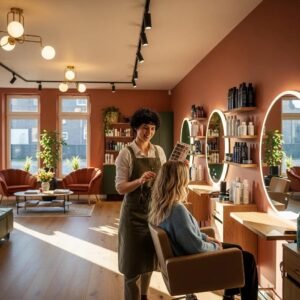
Why Choose Professional Deep Conditioning Treatments at Kylie Studio Salon Bethesda?
In‑salon deep conditioning offers advantages home masks can’t fully match: a personalized assessment, salon‑grade formulations with higher active levels, and application methods (controlled heat, layering) that increase penetration and longevity. At Kylie Studio Salon, we pair high‑performance products with technique informed by a stylist’s evaluation, delivering faster, longer‑lasting improvements in elasticity, shine, and frizz control. The salon also gives access to add‑on services—like glossing or bond repair—that amplify and extend conditioning benefits for clients seeking a visible transformation. If you’re deciding between DIY and professional care, these strengths explain why certain issues respond best to an in‑chair treatment.
Kylie Studio Salon offers focused service options that combine professional products and expert technique to optimize repair and maintenance for our Bethesda clients.
This comparison clarifies expected outcomes and helps you choose the protocol that matches your priorities—then your stylist fine‑tunes it during the consultation.
How Does Ruth’s Expertise Enhance Your Deep Conditioning Experience?
Ruth—owner and stylist at Kylie Studio Salon—brings hands‑on assessment and practical technique to every deep‑conditioning plan. With more than 11 years of experience noted locally, she evaluates porosity, elasticity, and chemical history to decide whether hydrating, protein, or bond‑repair approaches will deliver the best result. Ruth tailors product choice, contact time, and the use of heat or add‑ons to maximize effectiveness and longevity. Her careful pacing—such as managing protein exposure or layering humectants and emollients—reduces the risk of over‑proteinization and supports balanced restoration. That kind of expertise often produces more consistent results than at‑home routines alone.
Ruth’s custom approach ensures your treatment fits both your hair history and your goals, setting clear expectations before service begins.
What Types of Salon Deep Conditioning Services Are Offered?
Kylie Studio Salon offers a focused set of in‑chair deep conditioning services to match common client goals: hydrating masks for dry hair, protein and bond‑repair treatments for breaking or chemically stressed hair, and gloss boosts for color‑treated or dull hair. Recommended frequencies vary: hydrating masks for weekly‑to‑monthly maintenance, protein repairs every two weeks to monthly depending on severity, and gloss treatments every 4–8 weeks to protect color. These services suit women, men, and children with adjustments in concentration and timing. Many clients combine a gloss or bond‑repair add‑on with a deep mask to speed visible improvement and lengthen the time between visits.
Understanding these options helps you choose the right protocol and prepares you for an informed discussion during booking.
What Is the Step-by-Step Process During a Professional Deep Conditioning Treatment?
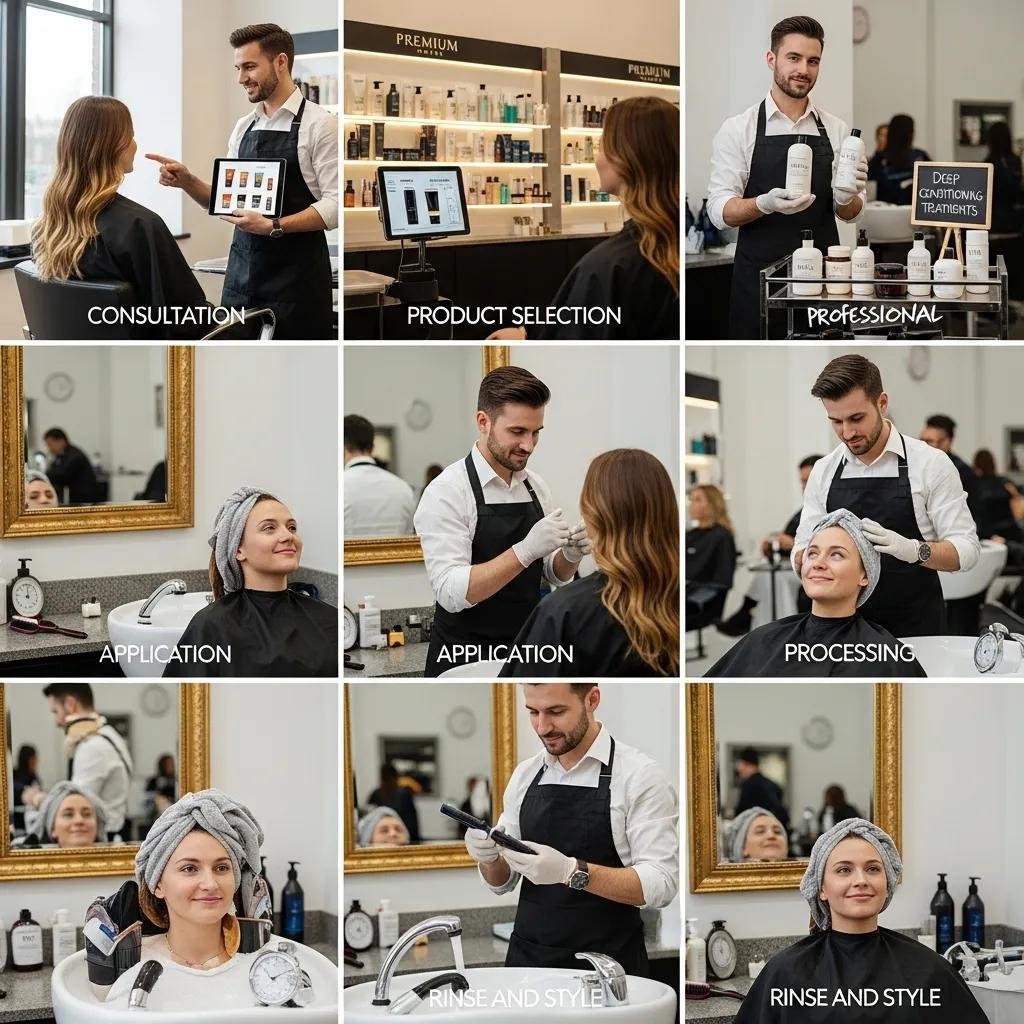
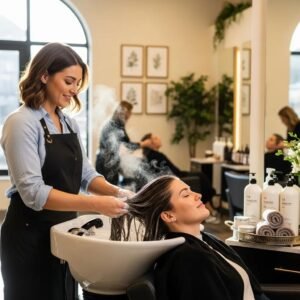
A professional deep conditioning service follows a clear workflow: consultation and assessment, product selection, targeted application, controlled processing (sometimes with heat or infrared), rinsing and neutralizing, and finish styling to lock in results. This sequence ensures the product addresses porosity and structural needs while processing variables—time, temperature, layering—are optimized to avoid over‑treatment. You may notice warming or smoothing sensations as the stylist monitors texture and elasticity to decide when to rinse. The numbered steps below show the typical in‑salon path so you know what to expect.
Having a stepwise plan sets expectations, reduces uncertainty, and makes it easier to follow post‑service care recommendations.
- Consultation & Assessment: Stylist evaluates porosity, elasticity, and chemical history to set goals.
- Product Selection: Professional‑grade mask chosen for hydration, protein, or bond repair.
- Application: Even sectioning and application ensure full coverage and targeted dosing.
- Processing: Time plus optional heat/steam increases penetration; stylist monitors progress.
- Rinse & Neutralize: Controlled rinsing preserves rebuilt bonds and removes excess residue.
- Finish Styling & Advice: Styling locks results and stylist recommends at‑home maintenance.
This professional control over assessment and application is why salon methods often achieve deeper, longer‑lasting improvements.
How Is Hair Assessed and Customized Treatments Selected?
Assessment starts with porosity and elasticity checks, a review of recent chemical services, and a visual inspection for split ends or surface roughness—each cue informs product and timing choices. Porosity testing shows how quickly the fiber takes up and loses moisture, guiding whether to focus on sealing or deep humectant delivery. Elasticity checks reveal protein deficits and point the stylist toward protein or bond‑repair options. We’ll also discuss your styling habits and goals so the treatment fits your routine. This checklist approach keeps customization systematic and repeatable across clients.
A methodical assessment reduces guesswork so treatment choices align with measurable hair attributes and your objectives.
What Happens During Each Stage of the Deep Conditioning Service?
During application, the stylist sections hair and applies product from mid‑length to ends, adjusting the root area to avoid a weighed‑down feel—this ensures even coverage. Processing may use ambient time or controlled heat (a warm cap or gentle infrared) to boost diffusion; timing depends on product chemistry and observed texture changes. Rinsing is thorough but gentle to protect rebuilt bonds and leave beneficial oils in place. A lightweight finishing conditioner or leave‑in may be applied for slip, and styling is chosen to minimize heat stress while showing improved shine and manageability. You’ll also get clear guidance on how long to wait before shampooing and which at‑home products will best preserve results.
Knowing these techniques and sensations helps set expectations for the service and explains why professional methods often produce faster, longer‑lasting gains.
How Can You Maintain and Extend Deep Conditioning Benefits at Home?
Keeping salon results intact requires a simple, consistent at‑home routine that supports moisture balance, prevents new damage, and refreshes treatment effects between visits. Start with a gentle sulfate‑free cleanser to avoid stripping, follow with a hydrating conditioner or leave‑in, and use weekly at‑home masks that mirror the salon treatment’s focus. Always use heat protection before styling and practice gentle detangling to reduce mechanical breakage. The list below gives practical steps you can use to maximize how long in‑salon benefits last.
Following these steps regularly lowers the need for corrective treatments and helps maintain visible improvements between appointments.
- Use a sulfate-free shampoo: Cleans without stripping essential oils or humectants.
- Apply a targeted leave-in or conditioner: Keeps daily moisture and slip for easier detangling.
- Weekly at-home mask: Match hydrating or protein masks to your stylist’s recommendation.
- Heat protection and gentle drying: Minimize thermal and mechanical damage when styling.
Stick to these easy habits and you’ll stretch the life of your salon treatment while protecting new gains.
What At-Home Hair Care Tips Support Salon Treatment Results?
Small daily habits make a big difference: avoid overwashing, which strips moisture; detangle with a wide‑tooth comb from ends to roots; choose silicone‑free leave‑ins when advised to prevent buildup; and sleep on a silk or satin pillowcase to reduce friction. A weekly mask matched to your salon protocol helps maintain hydration and strength without conflicting ingredients. Always use a heat protectant before styling to prevent new protein damage and preserve the cuticle. These low‑effort changes complement salon repair work by minimizing re‑damage and keeping your moisture‑to‑protein balance steady.
Adopting these habits reduces the need for frequent corrective visits and helps you enjoy the look and feel achieved in the salon.
How Often Should You Schedule Professional Deep Conditioning Treatments?
Frequency depends on your hair’s condition and the treatment type: severely damaged or chemically treated hair often benefits from professional care every one to two weeks at first, while maintenance hair usually does well with monthly visits. For hydrating upkeep, a professional mask every 3–4 weeks preserves moisture and shine; for protein or bond‑repair work, shorter initial intervals that gradually lengthen create lasting structural gains. Signs you need another session include increased tangling, loss of elasticity, visible porosity, or recurring breakage despite home care. Pairing salon timing with your at‑home routine gives the best long‑term results.
Use these frequency guidelines to build a predictable plan that balances salon investment with visible hair health improvements.
What Are the Differences Between Salon Deep Conditioning and At-Home Hair Masks?
Salon deep conditioning differs from at‑home masks in product strength, application technique, and the measurable longevity of results. Professionals can use higher active concentrations and controlled processing to drive deeper penetration. Retail masks are formulated for safe, repeatable consumer use and favor convenience; salon products target structural deficits with higher‑potency actives and professional tools. When deciding between salon and DIY, consider the severity of damage, recent chemical history, and how quickly you want visible change. The checklist below helps you choose the right path.
- Professional treatments use stronger formulations and techniques that enhance penetration.
- At‑home masks offer convenient maintenance with gentler formulas made for frequent use.
- Choose a salon service when damage is severe, you’ve recently had chemical services, or you need faster, longer‑lasting results.
These points give a practical framework to balance cost, convenience, and depth of repair.
Why Are Professional Treatments More Effective Than At-Home Masks?
Professional treatments tend to be more effective because they combine concentrated salon‑grade actives with application methods—controlled heat, layering, and precise timing—that increase molecular diffusion into the cortex. Salon formulas and bond‑repair chemistries offer structural restoration most retail products can’t match. Stylists also adapt protocols in real time based on porosity and texture feedback, avoiding under‑ or over‑treatment. Together, advanced formulation and professional technique create longer‑lasting improvements in strength, elasticity, and shine compared with standard at‑home masks.
Understanding this helps you see why occasional professional interventions are a smart part of a balanced hair‑health plan.
When Should You Opt for Salon Services Over DIY Hair Masks?
Choose salon services when your hair shows progressive or severe damage—recurrent breakage, high porosity, or recent bleaching/chemical processing—or when you want dramatic, durable change in a short time. If your hair is brittle, lacks elasticity, or chemical services have altered protein bonds, in‑salon bond‑repair and protein treatments rebuild structure more safely and effectively than DIY masks. Also opt for salon care when you need a professional assessment to rule out scalp issues or to receive a custom protocol that lasts longer. When at‑home maintenance no longer produces expected improvements, professional evaluation and targeted salon therapy usually get you back to resilient, manageable hair faster.
For personalized deep conditioning in Bethesda, consider a consultation at Kylie Studio Salon with stylist Ruth—she’ll assess your hair and recommend a plan. Appointment details and booking are available through the salon’s scheduling options for local clients.
Frequently Asked Questions
1. How often should I use deep conditioning masks at home?
We generally recommend using a deep conditioning mask once a week if your hair is dry, damaged, or styled often. If your hair is healthy, every two weeks can be enough. The key is consistency—regular use maintains moisture and structural balance. Pick a mask that targets your main concern: hydration, protein repair, or shine.
2. Can deep conditioning masks be used on all hair types?
Yes—masks can benefit straight, wavy, curly, and coily hair. The difference is choosing the right formula for your needs: hydrating masks for dry hair, protein‑rich masks for damage or chemical processing, and emollient‑based masks for added shine. Match the mask to your hair’s condition for the best results.
3. Are there any side effects of using deep conditioning masks?
Most masks are safe, but overuse or heavy formulas can cause buildup, leaving hair feeling greasy or weighed down. Use a clarifying shampoo occasionally and follow recommended frequencies. If you experience irritation, stop use and consult a stylist for alternatives.
4. How do I choose the right deep conditioning mask for my hair?
Assess your hair first: if it’s dry, look for humectants like glycerin or hyaluronic acid; if it breaks easily, choose keratin or amino‑acid rich masks; for dull hair, pick emollients that enhance shine. Reading labels and matching ingredients to your primary concern makes selection straightforward.
5. Can I use a deep conditioning mask after coloring my hair?
Absolutely. A post‑color mask helps restore moisture and repair any damage from coloring. Look for masks formulated for color‑treated hair to protect vibrancy and boost shine—sealing the cuticle helps reduce fade and improves overall hair health.
6. What should I do if my hair feels greasy after using a deep conditioning mask?
If your hair feels greasy, you may be using too much product or not rinsing thoroughly. Try a smaller amount next time and rinse with lukewarm water. If greasiness continues, switch to a lighter formula designed for your hair type to avoid excess oiliness.
7. How can I enhance the effectiveness of a deep conditioning mask?
Apply masks to slightly damp hair to improve absorption. Using gentle heat—a warm towel or heated cap—can increase penetration. Let the mask sit for the recommended time (or slightly longer when safe), then finish with a cool rinse to help seal the cuticle and lock in moisture and shine.
Conclusion
Deep conditioning masks are a practical, effective way to restore moisture, repair damage, and boost shine—making them a cornerstone of smart hair care. By understanding the benefits and choosing masks that match your hair’s needs, you can achieve lasting improvements in texture and manageability. For tailored results, consider a professional treatment at Kylie Studio Salon—our team will create a plan that suits your hair history and goals. Explore our services and take the next step toward healthier, more resilient hair.