

Volumizing Tips & Care for Fine Hair: How to Build Lift and Keep Thin Hair Healthy
Fine or thin hair describes individual strand diameter and the overall number of hairs on your head — and together those traits make lasting body harder to achieve. This guide explains why fine hair often lies flat (lighter strands have less stiffness and fewer overlapping layers) and gives clear, practical solutions that add visible volume without sacrificing hair health. You’ll learn how haircut shape, product choice, styling methods, and a gentle care routine work together to lift roots, create texture, and protect strand strength. We address common issues like limp roots, fast oil buildup, and breakage with evidence-informed tips and product cues that match porosity and styling goals. The article lays out the best volumizing cuts, product families that reliably boost body, step-by-step styling methods for lasting lift, a maintenance plan, and protective practices to minimize damage while maximizing volume. Throughout, useful search terms like thin hair styling, volumizing products, fine hair care, and how to add volume to fine hair are woven into practical advice you can use at home or discuss with your stylist.
Best Volumizing Haircuts for Fine Hair
Volumizing haircuts create the look of fullness by using shape and strategic weight redistribution to encourage movement and lift at the roots. Cuts that favor blunt edges or carefully graduated layers keep weight where it reads as mass, so strands kick away from the scalp and create body without over-thinning mid-lengths. Length and silhouette also affect styling: shorter textured bobs sit away from the neck and read as denser, while longer layered styles need purposeful layering to avoid wispy tips that flatten. Knowing how these mechanics work helps you pick a cut that supports daily styling and long-term hair health, and it points you toward the specific styles that reliably add the most volume for different textures and lifestyles.
Which haircut styles add the most volume to fine hair?
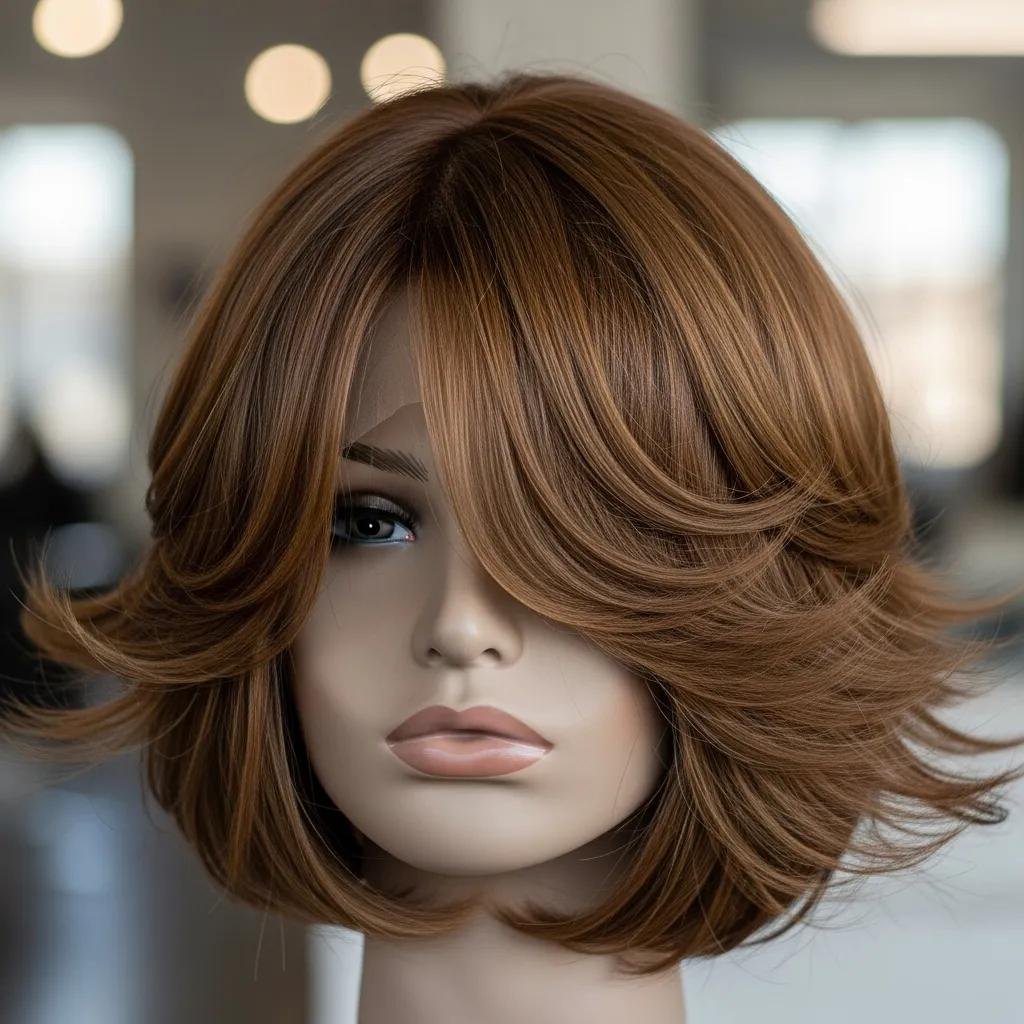
Some classic shapes consistently make hair look thicker because they control weight, edge, and movement in predictable ways. A layered bob lightens the interior while keeping a fuller perimeter, creating visible density at the crown and sides. Blunt cuts with straight-across ends give a strong silhouette that visually increases mass, especially at short to medium lengths. Textured lobs and longer layered cuts that concentrate weight nearer the face and use soft internal layers deliver lift without feathering the tips — a good option if you want length but need shape that supports root lift. The best choice depends on your density, face shape, and how much time you’ll spend styling, which we cover next.
How to choose a haircut that enhances thin hair texture?
Pick a cut by evaluating three things: your natural density and growth pattern, how much time you want to spend styling, and the finished look you prefer — sleek or voluminous. If density is low all over, shorter to mid-length blunt shapes or a graduated bob concentrate visible mass. If your crown is thinner than the back, ask for internal texturizing that preserves the perimeter weight. Consider lifestyle: choose low-maintenance shapes if you want minimal daily work, or accept more layering if you’re willing to blow-dry and use root products for extra lift. Telling your stylist about your routine and finish preference ensures the cut is tailored to your hair and maintenance habits, which improves long-term results and avoids unnecessary thinning at trims.
Best Products for Fine, Thin Hair to Boost Volume
For fine, thin hair, choose lightweight formulations and thoughtful placement so you build structure without dragging strands down. Volumizing shampoos and lighter conditioners lift at the root while keeping mid-lengths touchable; styling products — mousses, root-lifting sprays, and texturizing powders — add structure and texture in layers. Match products to your hair’s porosity and desired finish (matte texture vs. glossy) so the effect lasts and works with your preferred method — blow-dry or air-dry. The table below helps you match product types to length, porosity, and styling goals so you can narrow product families before picking brands.
What volumizing shampoos and conditioners work best for fine hair?
Look for shampoos labeled for body or volume and favor gentler surfactants with proteins or panthenol for temporary plumping; skip heavy oils or buttery formulas that coat fine strands. Use conditioner sparingly and apply it to mid-lengths and ends only — avoid the scalp to prevent flattening — and rinse well so hair stays light. For higher-porosity hair, a slightly richer leave-in or a lightweight protein treatment can help seal the cuticle and preserve lift; for low-porosity hair, warm water and light serums work better. These placement rules keep roots free and create a canvas that responds predictably to styling, which leads into sequencing and application of styling products.
How do styling products like mousses and sprays add volume?
Styling products change hair’s mechanical behavior: mousse adds stiffness and body, root sprays lift and hold at the scalp, and powders create friction and instant lift through texture. Apply mousse to damp hair from mid-lengths to ends for body, use root spray at the scalp before blow-drying to set lift, and finish with a touch of texturizer at the crown for grip. Less is more — small, layered amounts give better long-term volume than one heavy application — and let products set under heat or controlled drying to lock in the shape. Knowing how these products work makes it easier to get repeatable volume without excess buildup.
How to Add Volume to Fine Hair: Effective Styling Techniques
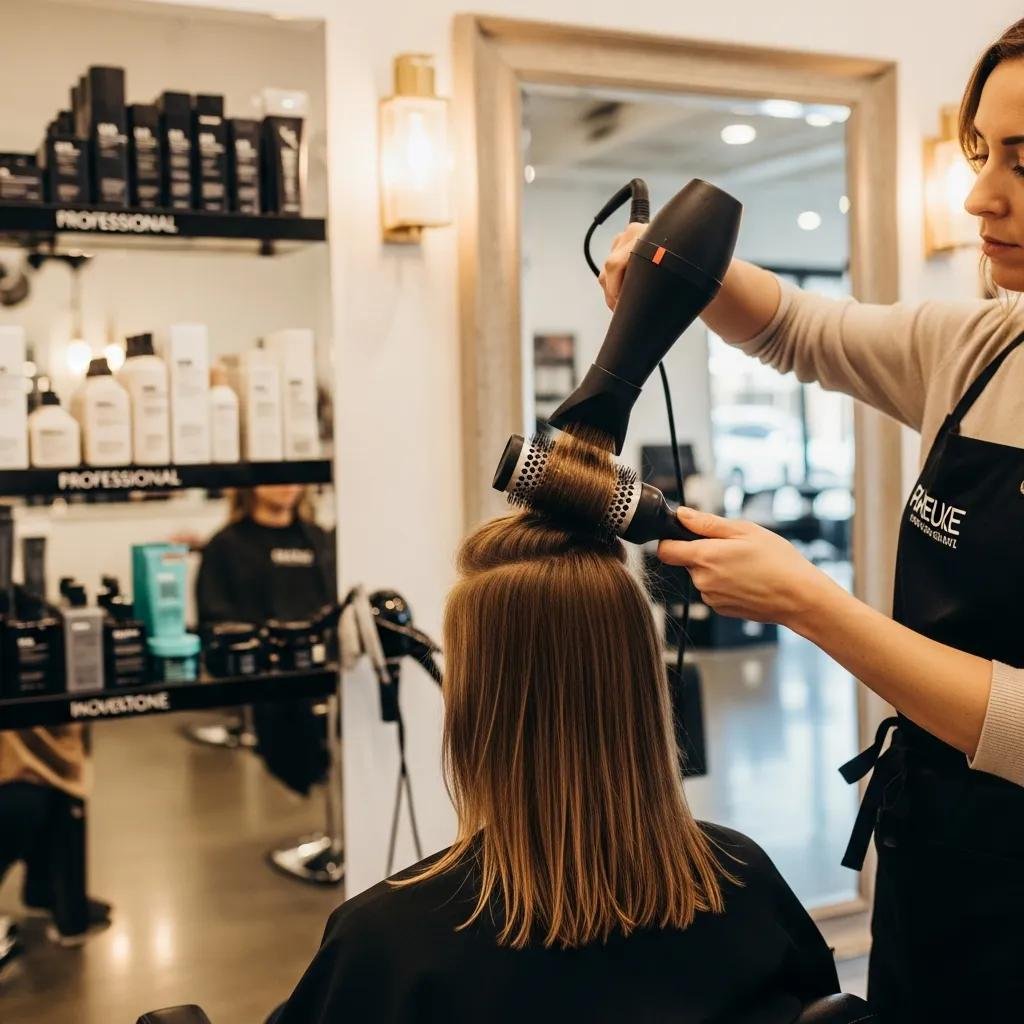
Adding volume is about sectioning, directing heat, and timing products so lift is built at the root and then locked in with texture. A disciplined blow-dry — work in sections, use a concentrator nozzle to focus air at the root, and a round brush to lift and cool the base — creates lasting structure. No-heat options like velcro rollers, clip sets, or root-lifting sprays followed by gentle drying deliver volume while reducing heat exposure. Follow the step-by-step routine below to reproduce salon-quality lift at home.
- Prep on damp hair: Apply a lightweight volumizing mousse from mid-lengths to ends and a root-lifting spray at the scalp for foundational hold.
- Section the hair: Divide hair into top, crown, and sides so you can target the root areas that need the most lift.
- Blow-dry strategically: Use a concentrator nozzle and a medium-heat round brush to lift at the root, roll each section, and cool before releasing.
- Set and finish: Pin or roll cooled sections to lock the shape, then release and use a small amount of texturizing powder at the crown for separation and hold.
These steps show how product order, sectioning, and heat control combine to create durable volume; next we cover safe heat habits to protect fine strands.
What are the top styling methods to create lasting volume?
Reliable volume comes from root-focused blow-drying with a nozzle and round brush, setting sections with rollers or clips to cool the shape, and adding texturizers for grip. Root stacking — drying roots first while lifting with fingers or a brush — builds the base structure, which products lock in when cooled. For busy routines, diffuse drying with a root-lift spray or quick clip sets left overnight gives noticeable lift the next day with minimal effort. Pick a method that fits your schedule to get consistent results without overusing heat.
How to use heat tools safely to enhance volume without damage?
Protect fine hair by choosing lower temperatures and always using a heat protectant to form a temporary barrier against cuticle damage. Avoid repeated passes over the same section; pair moderate heat with tension control and cooling breaks to set volume without overexposure. Ceramic or tourmaline tools distribute heat more evenly, so they’re gentler on fragile strands. Keep high-heat styling for special occasions rather than daily use to preserve long-term strand integrity while still achieving lift when you need it.
Ideal Hair Care Routine for Thin Hair to Maintain Volume
A solid routine for thin hair balances cleansing, light conditioning, regular trims, and targeted refreshers so volume lasts without buildup that flattens roots. Washing frequency depends on scalp oiliness and activity, but many people find a 2–3 day wash schedule preserves natural lift while allowing breathability on off days. Weekly or biweekly texturizing steps and timely trims remove heavy ends and support the cut’s volumizing shape. The table below gives a simple, actionable routine with product or action recommendations and frequency notes to make implementation straightforward.
This routine clarifies what to do and how often so your cut keeps its lift between salon visits; next we go into washing and conditioning cadence in more detail.
How often should you wash and condition fine hair?
Many people with fine hair do best washing every 2–3 days — it controls oil without stripping natural lift — but those who work out daily or have oily scalps may need more frequent cleansing. Condition only the mid-lengths and ends to avoid weighing roots down; use lightweight leave-ins sparingly. Dry shampoo is a helpful between-wash tool: apply at the roots, let it sit, then massage and reshape with your fingers to revive volume. This approach keeps hair light and responsive to the styling techniques covered earlier.
Which habits help prevent hair breakage and maintain fullness?
Simple daily habits reduce breakage: detangle with a wide-tooth comb starting at the ends, avoid tight elastics that stress the hair, and sleep on silk or use loose braids to cut friction. Skip aggressive towel-drying and don’t over-brush wet hair — blot and finger-comb instead when hair is fragile. Use protective styles and remove heavy buildup with occasional clarifying treatments (without over-drying). These practices preserve strand strength and support fuller-looking hair over time.
How Can You Protect Fine Hair While Maximizing Volume?
Protecting fine hair while chasing volume means pairing lift techniques with restorative and preventative steps that limit cumulative damage. Use heat protectants, lower heat settings, and space out intense styling sessions so you don’t weaken strands. Choose products made for fine hair that add texture without coating fibers. Nutrition and scalp care also matter: adequate protein, iron, and hydration support healthy hair production, and gentle scalp massage or periodic exfoliation improves circulation and the follicle environment. Below are practical protective measures you can start using right away to keep hair healthy while enjoying lift.
- Limit heat exposure: Reduce styling frequency and always use a protective spray when applying heat.
- Strategic product placement: Keep conditioners and oils off the scalp to avoid weighing roots down.
- Gentle handling: Detangle softly and skip tight styles that stress hair at the root.
Following these best practices helps ensure volume methods don’t undermine hair health; the next section explains how diet and scalp care contribute to fuller-looking hair.
What are the best practices to avoid damage during styling?
Follow a protective routine: apply a heat protectant, use lower heat settings, and limit passes with hot tools to protect the cuticle. Try thermal-free alternatives like rollers, clip sets, or air-drying with texturizing products when you want lift without heat. Swap harsh elastics for snag-free ties and sleep on silk or satin to reduce friction. Regular trims remove weak ends before they cause breakage higher on the shaft. These steps keep styling effective while preserving fiber strength and long-term volume.
How do diet and scalp care influence hair volume and health?
Nutrients like protein, iron, and vitamins (including biotin and vitamin D) support healthy hair growth, which affects thickness and resilience. Scalp care — gentle massage to boost circulation, occasional exfoliation to clear buildup, and avoiding heavy topical deposits — creates a better environment for follicles. Staying hydrated and eating a nutrient-dense diet complements topical care and helps hair respond better to cutting and styling strategies. Addressing both internal and external factors leads to fuller-looking hair that holds volume more reliably.
When you’re ready to turn these strategies into a personalized plan, Kylie Studio Salon offers consultations and in-salon services tailored to fine-hair needs. Our stylists assess density, porosity, and growth patterns to recommend the right cut, products, and in-salon treatments for lasting lift. Booking a consultation lets a technician demonstrate sectioned blow-dry techniques, mix products suited to your hair chemistry, and build a maintenance schedule that preserves volume between appointments. If you want tailored guidance that starts with a professional assessment and results you can repeat at home, a salon visit is the perfect complement to this guide.
Frequently Asked Questions
What are the common causes of flatness in fine hair?
Fine hair goes flat because individual strands are lighter and less stiff, so they don’t support volume the way thicker hair does. Excess oil, product buildup, and incorrect styling can make the problem worse, and humidity or heavy formulas can weigh strands down. Identifying the main cause helps you choose the right cuts, products, and techniques to restore lift without damaging hair.
How can I refresh my fine hair between washes?
Use dry shampoo at the roots to absorb oil and restore lift — spray or sprinkle, let it sit, then massage and reshape with your fingers. A quick hit of volumizing spray or a dab of texturizing powder at the crown adds immediate lift. Lightly tousle hair with your fingers to reactivate texture without a full wash or heat session.
Are there specific ingredients to look for in volumizing products?
Look for lightweight, lift-focused ingredients: hydrolyzed proteins (wheat, silk) to temporarily thicken strands, panthenol for moisture and body, and polymers that provide light hold. Avoid heavy oils and butters that coat fine hair and cause flattening. Choose formulations designed for fine or thinning hair to get the best balance of lift and care.
What role does scalp health play in maintaining hair volume?
Scalp health is fundamental: a clean, well-nourished scalp supports better hair growth and helps hair sit correctly. Gentle exfoliation removes buildup that can clog follicles, and regular massage improves circulation. Balancing oil and hydration at the scalp prevents limpness or flaking and makes volumizing strategies more effective.
How can I protect my fine hair from environmental damage?
Shield fine hair from sun and harsh weather with UV sprays or lightweight leave-ins that include SPF-like protection. Wear hats or scarves in extreme conditions and keep trims regular to remove split ends vulnerable to environmental stress. A nutrient-rich diet also helps hair stay resilient against external damage.
What are some quick styling tips for adding volume on busy mornings?
For fast volume, spritz root-lift spray or apply a small amount of mousse to damp roots before a quick blow-dry with a round brush. If you’re pressed for time, dust texturizing powder at the crown for instant lift, or set loose braids or buns overnight to wake up with natural waves and body. These shortcuts deliver noticeable volume with minimal effort.
Conclusion
Fuller-looking, healthy fine hair is achievable with the right combination of cut, products, and styling habits. By matching your haircut and product choices to your hair’s density and porosity, using thoughtful styling techniques, and protecting your strands, you can create lasting lift without compromising health. For personalized advice and hands-on styling, book a consultation with a professional stylist — they’ll help you turn these strategies into a plan that works for your lifestyle. Start now and enjoy fuller-looking hair that feels healthy and manageable.