Managing Scalp Psoriasis: Practical Hair Care Tips and Soothing Strategies
Scalp psoriasis can be persistent and uncomfortable, but thoughtful hair care makes a big difference. This guide breaks down easy-to-follow tips you can use at home and in the salon to reduce itching, protect hair, and keep styling options open. You’ll find symptom checklists, product-selection guidance, salon-prep steps, and everyday styling strategies to help manage flare-ups alongside medical treatment. Dermatologist-prescribed therapies are central for moderate to severe cases, yet gentle routines and smart styling often complement medical plans and lower flare-up triggers. At Kylie Studio Salon in Bethesda we offer services like Consultation for Sensitive Scalp Hair Care and Personalized Hair Styling for Scalp Conditions to help turn these tips into a salon-ready plan. Read on for clear, practical steps to use before, during, and after your appointment.
What Is Scalp Psoriasis and How Does It Affect Your Hair?
Scalp psoriasis is an immune-driven condition that speeds up skin cell turnover on the scalp, causing raised plaques, silvery scaling, and itching. That inflammation can make washing, brushing, and styling painful and may increase breakage from scratching or rough handling. Managing symptoms focuses on calming inflammation, keeping the scalp moisturized, and reducing mechanical stress to preserve hair texture and fullness. Recognizing how symptoms appear helps you choose the right products and ask for appropriate salon accommodations to protect hair while treating the scalp.
What Are the Common Symptoms of Scalp Psoriasis?
Scalp psoriasis has a few telltale signs that can help distinguish it from dandruff or general sensitivity: persistent itching that leads to scratching, red or pink patches topped by silvery scales, and flaking that may fall onto clothing. In severe cases, heavy scales can crack and bleed if disturbed. These symptoms can make some salon procedures or leave-in products uncomfortable, so spotting them early helps you make safer product and service choices. If you notice sudden worsening, widespread bleeding, or signs of infection, contact a dermatologist to coordinate safe topical or systemic treatments alongside your hair care plan.
How Does Scalp Psoriasis Impact Hair Growth and Texture?
Inflammation from psoriasis can stress hair follicles and, combined with scratching or aggressive styling, lead to temporary shedding or breakage. While psoriasis rarely causes permanent hair loss, repeated trauma can thin strands or change texture. Reducing inflammation and limiting manipulation during flare-ups lets hair recover, and salon techniques that avoid pulling or friction help protect fragile strands. Understanding these effects informs product choices and styling methods that put scalp comfort first.
How Can You Choose Psoriasis-Friendly Hair Care Products?
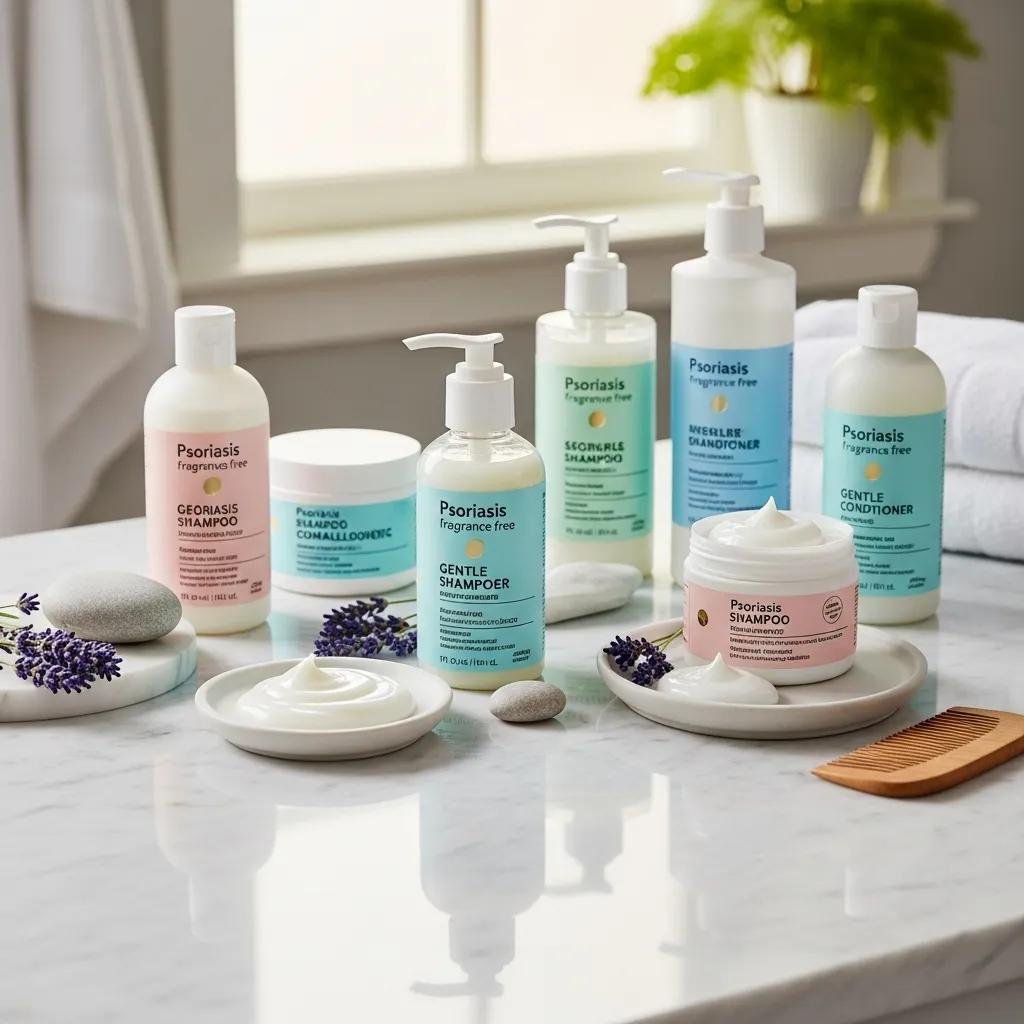
Selecting products for a psoriasis-prone scalp means balancing gentle cleansing, occasional medicated options (when prescribed), and hydrating treatments that reduce flaking and itch without further irritation. Think in three groups: medicated shampoos (use only under dermatologist direction), non-medicated soothing treatments (oils, emollient masks), and gentle salon-formulated cleansers for sensitive scalps. Look for sulfate-free cleansers, fragrance-free formulas, and ingredients that support the skin barrier. Avoid harsh surfactants and strong fragrances that strip oils or provoke sensitivity. The table below clarifies which product types suit different needs and when to seek professional advice.
Different product types offer distinct mechanisms and suitability for psoriasis-prone scalps.
Combining a gentle cleanser with medicated treatments when advised creates a balanced routine that manages symptoms while keeping the scalp comfortable.
Which Shampoos and Conditioners Are Gentle for Sensitive Scalps?
Look for shampoos with mild surfactants, humectants, and lightweight moisturizers that restore the skin barrier without stripping natural oils. Sulfate-free shampoos with hydrating agents and conditioners that rinse clean while leaving a light protective layer work well. Leave-in scalp moisturizers or light serums can be used sparingly on damp areas to reduce flaking. If you’re using a medicated shampoo, rotate it with gentler options to avoid over-drying, and follow frequency advice from your dermatologist. Apply medicated shampoos directly to affected spots and keep conditioner mainly on mid-lengths and ends to minimize scalp buildup.
Introductory comparison of gentle product categories helps clarify usage patterns.
These features help you choose products that clean effectively while protecting scalp hydration and comfort.
What Ingredients Should You Avoid to Prevent Irritation?
Certain ingredients are more likely to irritate sensitive scalps: harsh sulfates, strong fragrances, and drying alcohols can weaken the skin barrier and trigger flare-ups. Sodium lauryl sulfate and similar foaming agents may over-dry, while parfum and heavy essential-oil blends can provoke contact sensitivity. Very heavy oils or occlusives may clog follicles for some people, so favor lightweight emollients and patch-test new products on a small area first. When unsure, choose simple, fragrance-free formulations and consult your dermatologist before adding new active ingredients to a medicated regimen.
Key selection rules summarize avoidance and safer alternatives:
- Avoid harsh sulfates: They strip oils and increase dryness; use sulfate-free cleansers instead.
- Avoid strong fragrances: Fragrances can trigger irritation; choose fragrance-free products.
- Avoid drying alcohols and heavy occlusives: Replace them with gentle humectants and light emollients.
Following these rules helps lower the chance of irritation from everyday hair care choices.
What Salon Services Are Safe and Beneficial for Sensitive Scalps?
Salons can adapt services to protect a sensitive scalp by minimizing direct contact, offering patch tests, and creating personalized plans that respect medical treatments and client comfort. Helpful options include a pre-service consultation, low-tension haircutting techniques, and color methods that avoid or limit scalp contact. Stylists trained to spot tender areas can plan sectioning and low-pressure application to reduce inflammation risk while still delivering the look you want. Ask for a consultation before booking services — at Kylie Studio Salon we provide Consultation for Sensitive Scalp Hair Care and Personalized Hair Styling for Scalp Conditions to tailor the service to your needs.
Intro to salon service comparison clarifies typical attributes and client expectations.
This comparison shows how salon services can be chosen and adapted for a sensitive scalp so you can enjoy styling with less risk.
How Do Personalized Consultations Help Manage Scalp Conditions?
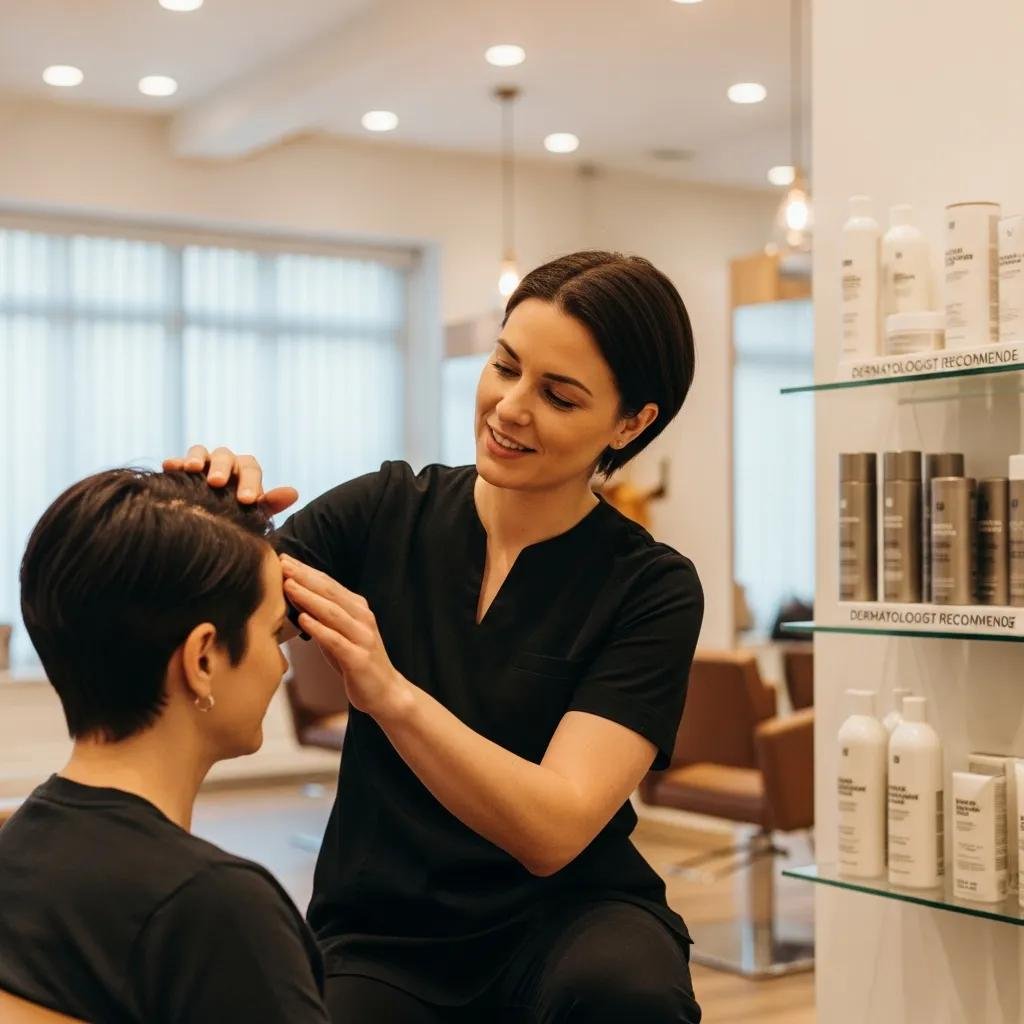
A tailored consultation lets your stylist record scalp history, current treatments, and sensitive spots so they can design a safe service plan. During the consultation the stylist will ask about medicated shampoos or topical steroids, note tender zones, and agree on cues to pause the service if needed. This preparation avoids surprises on the day of your appointment and ensures color, cut, or treatments match both your look and comfort needs. Clear communication builds trust and results in realistic outcomes and useful aftercare guidance.
Sample dialogue prompts during a consultation help facilitate clarity:
- “Which products are you currently using for your scalp?”
- “Are there areas you prefer we avoid touching?”
- “Would you like a patch test before color application?”
These questions guide the stylist-client conversation and lower the chance of aggravating symptoms during services.
What Gentle Haircuts and Styling Techniques Are Recommended?
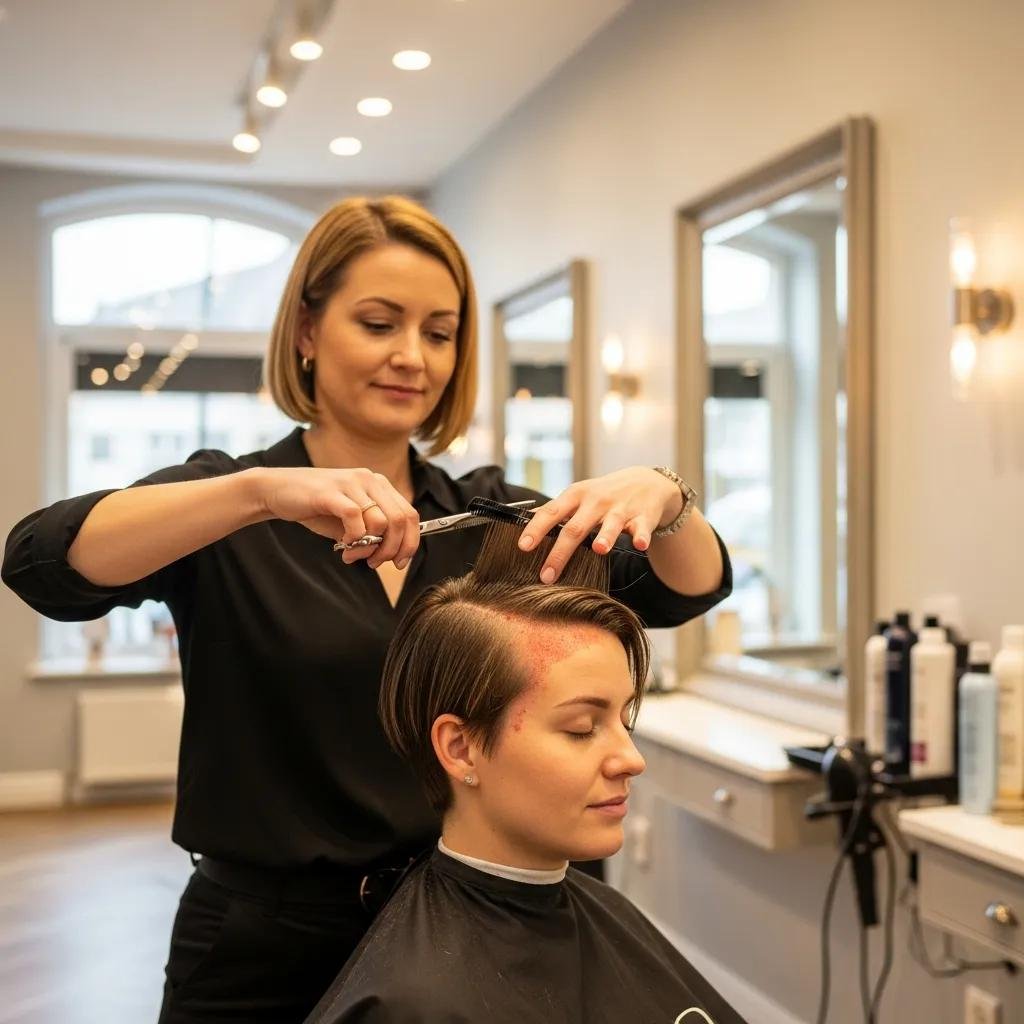
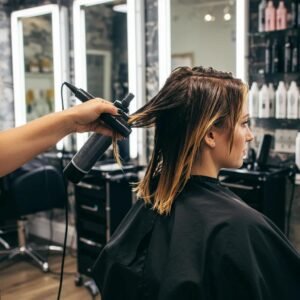
Gentle haircutting and styling focus on sectioning to reduce tension, soft layering or blunt cuts that avoid repeated tugging, and low-heat styling to protect fragile strands. Stylists may use scissor-over-comb techniques, avoid rough combing on wet hair, and suggest loose updos or side parts that distribute weight without tight elastics. For color, consider methods that keep product off the scalp — for example, balayage with careful spacing or root-smudge techniques that limit direct contact. Aftercare typically includes gentle towel blotting, low-heat drying, and protective products to reduce friction and strengthen strands between visits.
Styling and aftercare tips summarize practical steps:
- Use low-heat tools: Lower temperatures protect both hair and scalp.
- Prefer loose styles: Avoid tight ponytails and constricting accessories.
- Minimize wet combing: Detangle gently with a wide-tooth comb starting at the ends.
These approaches help keep hair strong and comfortable for clients managing scalp psoriasis.
How Can You Prepare for a Salon Visit with Scalp Psoriasis?
Getting ready for a salon visit means clear communication, simple pre-visit care, and agreed aftercare steps to reduce irritation and make the appointment more comfortable. Tell the salon about recent flare-ups, current medicated shampoos or topical treatments, and any sensitive areas so they can allow extra time and plan accommodations. Bring a list of the products you use and avoid trying new treatments or deep-cleansing routines within 48 hours of your appointment to reduce the risk of reactions. On arrival, review the signal you’ll use to pause the service if you need a break; this keeps the appointment calm and controlled for both you and your stylist.
Follow these steps to prepare effectively:
- Disclose current treatments and sensitivities: Let your stylist know about medicated products and recent flare-ups.
- Bring product list: Share names or ingredient notes for the stylist’s review.
- Avoid new products within 48 hours: Prevent unexpected reactions near your appointment.
Clear pre-visit communication increases the chance of a comfortable, successful salon experience and makes aftercare planning easier.
What Should You Communicate to Your Hair Stylist?
Be direct and specific with your stylist: tell them about any medicated shampoos or topical steroids you use, point out tender or scaly areas, and name techniques you’d like avoided (for example, scalp scrubs or aggressive brushing). Agree on a simple signal — raising a hand, for instance — to pause the service if something becomes painful, and ask the stylist to note your preferences for future visits. Open, honest communication lets the stylist adapt sectioning, reduce scalp contact, and pick products that fit your medical routine, creating a tailored plan that balances style and scalp health.
Concluding the communication guidance, confirm next steps with the stylist:
- Request a patch test for new color applications when applicable.
- Ask for written aftercare recommendations tailored to your scalp treatment.
These steps help your stylist support you during and after the appointment.
How to Care for Your Scalp Before and After Salon Appointments?
Before your appointment, wash with your usual gentle, sulfate-free cleanser and skip heavy oils or brand-new treatments so the stylist can accurately assess your scalp. After the service, follow a gentle routine: use mild cleansers, apply lightweight moisturizers to reduce flaking, and avoid tight styles and high heat for at least 48 hours to let the scalp settle. If color or chemical services were performed, follow any patch-test guidance and watch for increased redness or irritation — contact your stylist or dermatologist if symptoms worsen. Regular follow-ups with your stylist help adapt future services to changing scalp needs.
A simple pre/post checklist summarizes safe practices:
- Pre-visit: use familiar gentle products, avoid new treatments, and arrive ready to discuss your routine.
- Post-visit: hydrate the scalp lightly, avoid tight accessories, and limit heat styling for 48 hours.
These straightforward steps support scalp recovery and keep styling results looking their best with minimal risk of flare-ups.
What Daily Tips and Styling Practices Help Relieve Scalp Psoriasis?
Daily care for scalp psoriasis centers on gentle cleansing, consistent hydration, and styling choices that reduce friction and pulling. Follow a washing schedule your dermatologist recommends using a gentle, sulfate-free shampoo; apply lightweight moisturizers or leave-in serums to support the skin barrier; and protect hair from excess heat and tight tension. Small changes — loose braids, soft clips, side parts, and low-tension elastics — cut down on mechanical stress and limit plaque aggravation. During flare-ups, switch to soothing, low-manipulation routines to help the scalp settle and prevent additional damage.
Daily practice comparison helps prioritize choices for home routines.
These daily habits create a manageable routine that supports scalp comfort and long-term hair health.
How to Manage Flare-Ups and Minimize Scalp Irritation?
When a flare-up happens, try cool compresses to calm itching, use a gentle cleanser to remove loose scales without scrubbing, and resist scratching or abrasive tools that can worsen inflammation. Short-term changes — swapping to leave-in moisturizers, using a soothing oil sparingly, and choosing loose hairstyles — help reduce mechanical irritation while the scalp heals. If flare-ups persist or worsen despite self-care, contact your dermatologist to revisit treatment. Coordinated care between medical providers and your stylist ensures salon services remain safe and effective while prioritizing symptom relief.
What Are Psoriasis-Friendly Hair Styling Tips?
Choose low-manipulation styles that still look polished: loose waves, deep side parts, soft ponytails with cloth-covered bands, and pins that spread weight evenly. Always use a heat protectant and the lowest effective temperature when drying or styling, and consider partially air-drying to cut down on thermal exposure. Minimize daily brushing during inflammation — detangle gently with a wide-tooth comb, starting at the ends to reduce breakage. Styles that need less daily maintenance reduce cumulative friction and support both scalp recovery and the longevity of your look.
Practical styling checklist:
- Choose low-tension styles and soft accessories.
- Use heat protectants and low temperatures.
- Reduce daily manipulation to protect hair and scalp.
These habits help you keep your hair looking great while limiting triggers for scalp psoriasis flare-ups.
For one-on-one help turning these suggestions into a comfortable salon plan, Kylie Studio Salon in Bethesda offers tailored consultations like Consultation for Sensitive Scalp Hair Care and Personalized Hair Styling for Scalp Conditions. To schedule an appointment or speak with Ruth about adapting services to your scalp needs, call 301-922-7864 or visit us at 4711 Montgomery Ln, Suite 2, Bethesda, MD 20814. We make thoughtful pre-visit consultations part of our approach so your hair goals and scalp health stay aligned with gentle, effective techniques.
Frequently Asked Questions
What lifestyle changes can help manage scalp psoriasis?
Alongside targeted hair care, some lifestyle changes can support scalp health: aim for a balanced diet with anti-inflammatory foods (omega-3s, antioxidants, plenty of vegetables), stay hydrated, and manage stress through practices like mindfulness, yoga, or regular exercise. Reducing exposure to known irritants in hair products and keeping a consistent, gentle routine also helps. Small, sustainable changes often make the biggest difference.
Can scalp psoriasis affect other areas of the body?
Yes. Scalp psoriasis can extend to nearby areas like the ears, forehead, and neck, and many people also have plaques on elbows, knees, or the lower back. Because psoriasis is a systemic inflammatory condition, it can appear in multiple places. If you notice symptoms beyond the scalp, see a dermatologist for a comprehensive plan that addresses all affected areas.
How often should I wash my hair if I have scalp psoriasis?
Washing frequency depends on your comfort and symptom severity. A gentle, sulfate-free shampoo 2–3 times per week is a common starting point to avoid over-drying. During flare-ups, a dermatologist may recommend more frequent washing with a medicated shampoo. Listen to your scalp and follow medical guidance to balance cleanliness and hydration.
Are there any specific foods to avoid with scalp psoriasis?
Some people find that processed foods high in sugar, refined carbs, and unhealthy fats can worsen inflammation. Dairy and gluten may be triggers for certain individuals. Keeping a food diary can help identify personal triggers. Focusing on whole, anti-inflammatory foods — fruits, vegetables, whole grains, and healthy fats — often supports overall skin health.
What role does stress play in scalp psoriasis?
Stress is a common trigger for psoriasis flare-ups because it affects immune and inflammatory responses. Managing stress with techniques like meditation, deep breathing, regular exercise, and good sleep can reduce flare frequency and severity. Finding effective stress-reduction practices that work for you is an important part of long-term management.
How can I tell if my scalp psoriasis is worsening?
Signs of worsening include increased redness, swelling, or itching, the appearance of new plaques or scaling, or existing patches becoming larger or more inflamed. Bleeding or oozing are signals to seek prompt medical attention. Regularly monitoring your scalp and noting changes helps you and your care team adjust treatments early.
Conclusion
With informed, gentle hair care and considered salon choices, you can ease discomfort and protect your hair while managing scalp psoriasis. Choosing the right products, using low-tension styling, and communicating clearly with your stylist are simple steps that add up. For tailored support, schedule a consultation at Kylie Studio Salon — we’ll help you match salon services to your scalp needs so you leave feeling comfortable and confident.