Timeless Celeb Hairstyles: Recreating Icon Looks
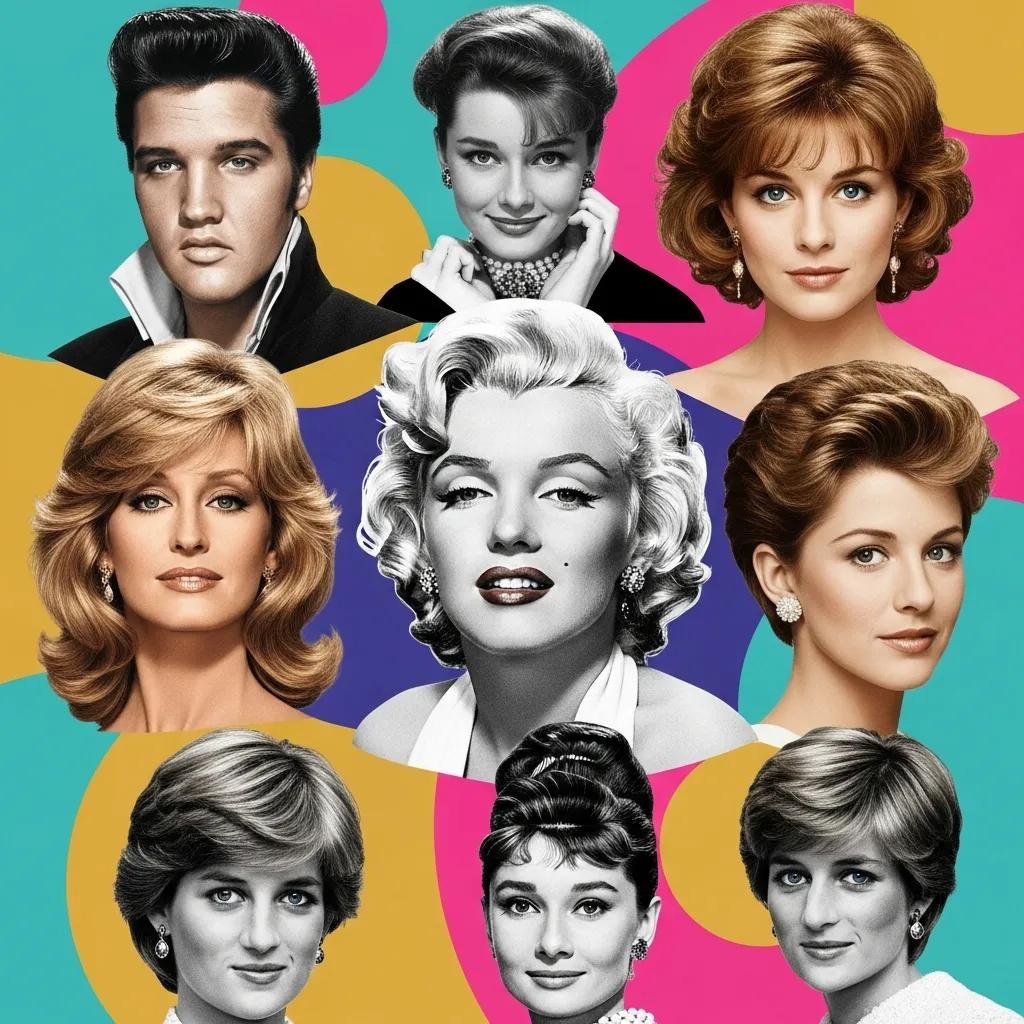
Celebrity hair does more than signal a trend — it captures a moment, frames a face for the camera, and becomes a recipe stylists return to again and again. In this guide we break down the most influential celebrity styles — from Marilyn Monroe’s luminous blonde waves and The Rachel’s signature layers to Farrah Fawcett’s feathered flip, Old Hollywood’s sculpted S-waves, and the forever-fresh pixie cut. You’ll learn the visual cues that make each look recognizable, the salon techniques that build shape and shine, and practical ways to adapt these signatures for today’s textures and routines. If you want celebrity-caliber results that still feel wearable, this article maps the hallmarks, the upkeep, and the professional styling tips that make each look work in real life.
Kylie Studio Salon is a Bethesda-based studio that helps clients translate these legendary looks into personal, modern versions. If you live nearby and want to explore an iconic style adapted to your hair and life, book a consultation — our stylists will help you find a wearable, flattering interpretation.
Below, we unpack each hairstyle’s defining traits, the salon steps behind them, and straightforward upkeep recommendations so you can choose what fits you best.
Why Marilyn Monroe’s Hair Still Defines Classic Glamour
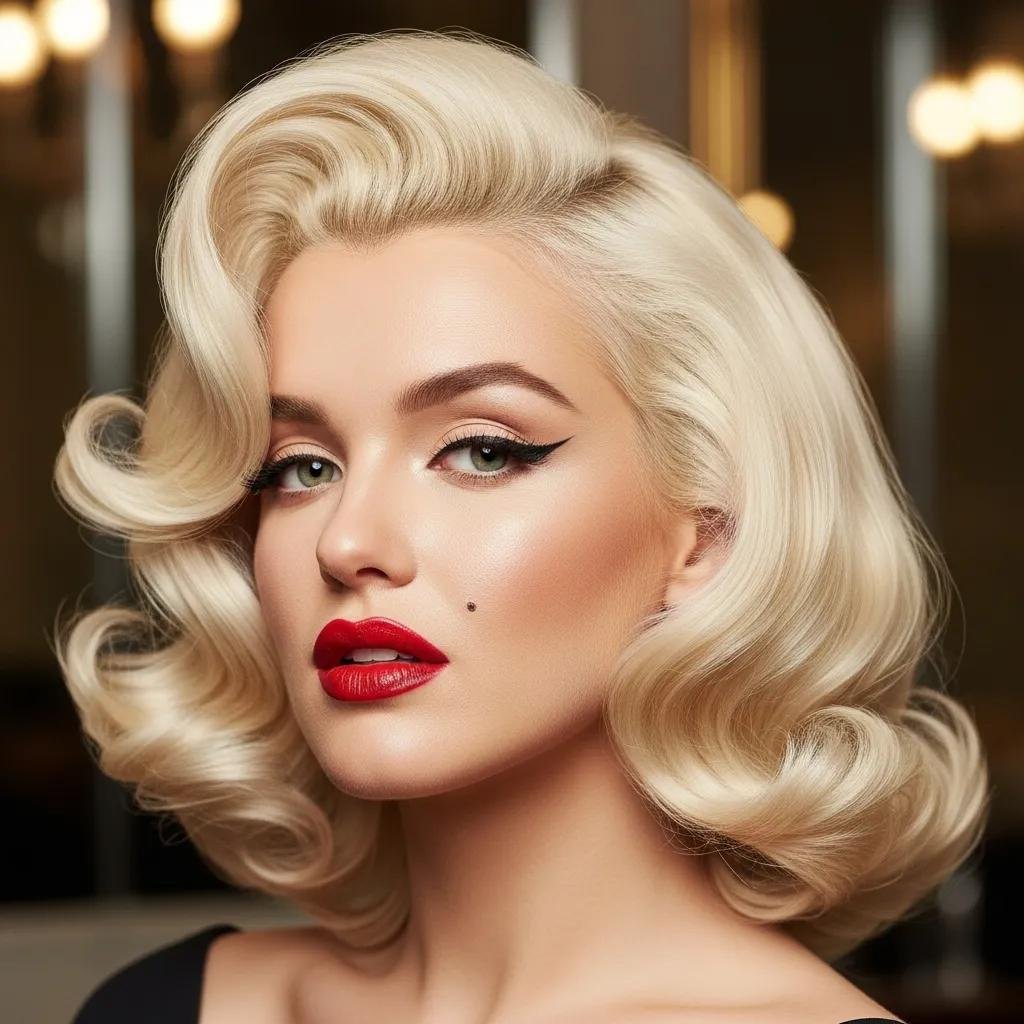
Marilyn’s look endures because it married warm, luminous color with sculpted volume and camera-friendly shaping — a repeatable formula that photographed beautifully. The signature details are a soft side part, loose S-shaped waves that frame the face, and a high-shine finish that reads as Old Hollywood glamour. Those elements combine to create a feminine silhouette stylists still reference when clients want a classic, polished result. Today’s recreations use modern toning and smoothing products so the waves keep their structure while feeling touchable and healthy.
This comparative table highlights key era-defining hairstyles and the techniques that made them iconic.
This quick comparison shows how each era’s visual hallmarks pair with specific salon techniques — and why regular trims and professional shaping matter if you want the look to last.
How Marilyn’s Blonde Waves Became a Hallmark of Old Hollywood
Marilyn’s waves became synonymous with Old Hollywood by creating soft, camera-pleasing S-curves and a luminous surface that highlighted facial symmetry. The effect often used slightly darker roots against radiant blonde tones to add depth and camera catch-light. When we recreate the look today, we pay special attention to where waves sit around the face and use modern smoothing and shine products so the style stays structured without feeling stiff.
Which Styling Steps Built Marilyn’s Signature Shape?
Her shape was created by staged setting and a careful brush-out that turned set curls into smooth S-waves. Stylists reproduce this with sectioned setting (rollers or thermal setting), targeted root lift, and a gentle brush-through to form the S-pattern. Finishing products are about sheen — light polishing serums and flexible sprays that preserve movement. Maintenance focuses on regular toning and scheduled shaping to keep the wave placement flattering to the face.
Why The Rachel Still Resonates with Today’s Clients
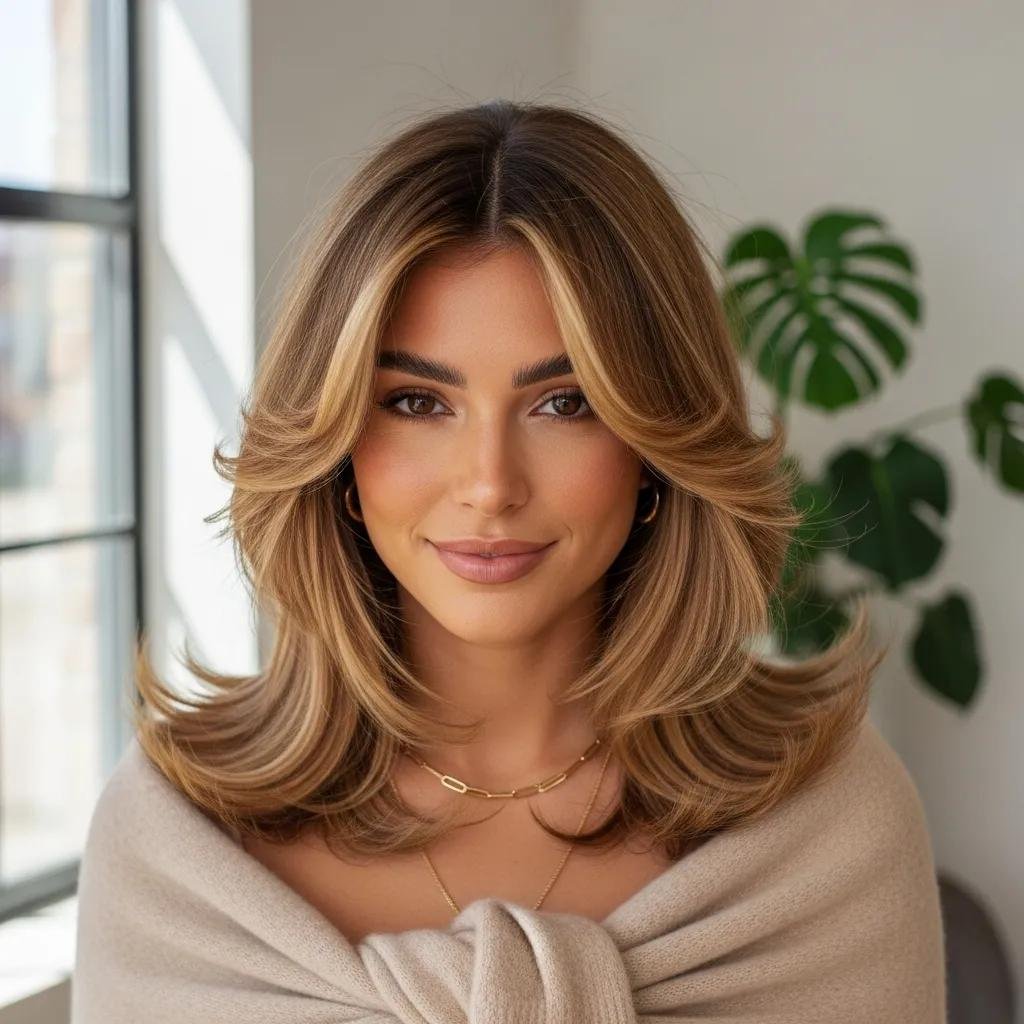
The Rachel remains popular because its layered structure and face-framing pieces create natural movement that flatters many shapes and textures. The look’s visible graduated layers add lift at the crown and feathered framing around the face, producing an effortlessly styled, lived-in finish. Salons now reinterpret The Rachel with softer blends and lower-maintenance shaping so the essence of the cut fits modern coloring and textured hair without demanding daily effort.
Use these cues to spot a Rachel-inspired cut at a glance.
- Graduated, face-framing layers that create lift at the crown.
- Clear movement through the mid-lengths that comes alive with a blowout.
- An overall shaped-but-relaxed silhouette — styled, not overworked.
These signs help you and your stylist agree on how much layering and upkeep you want in a Rachel-style look.
What Visually Defines The Rachel from Friends?
The Rachel is recognizable for its layered face-framing pieces, rounded crown, and ends that move with a blowout rather than hanging flat. Together those details create a dynamic shape that reads polished after a salon blow-dry. In modern practice, stylists soften the layer transitions and adjust density so the cut works for different textures. Maintenance centers on regular shaping and a styling routine focused on round-brush blow-drying or controlled heat styling.
How The Rachel Shaped Contemporary Hair Trends
The Rachel’s influence shows up in today’s shags, layered bobs, and face-framing techniques that favor movement over blunt uniformity. Modern interpretations tone down extreme layering in favor of longer, blended layers that reduce daily styling while keeping a lively silhouette. Stylists also add texturizing methods so Rachel elements work on curly and fine hair alike — which is why people keep asking for a “modern Rachel.”
How Farrah Fawcett’s Feathered Hair Became a 1970s Sensation
Farrah’s feathered hair matched the decade’s sunlit, carefree vibe by using outward-directed layers and an airy finish that photographed beautifully. The cut’s directional layering flipped away from the face, creating motion and a youthful profile. Widespread media exposure turned a salon technique into a cultural moment, and today’s versions usually soften the flip and lower the height while keeping that spirited movement.
These are the core styling elements that create a believable feathered effect.
- Outward-directed layers that produce a visible flip away from the face.
- Ends trimmed to feather instead of a blunt cut.
- Volumizing blowout techniques that emphasize motion through mid-lengths and ends.
Together, these details form the feathered silhouette stylists adapt by softening the flip and adjusting layer depth for modern wearability.
What Styling Details Define Farrah’s Feathered Finish?
The feathered look relies on directional layering and a round-brush blow-dry that sculpt the outward flip at the ends. Stylists remove bulk toward the face and use shaping techniques to encourage that airy motion. Finishing products prioritize flexible hold so the flip feels natural in movement. Today’s feathering often includes softer texturizing so the result reads modern rather than overly voluminous.
Which Celebrities Have Revived Feathered Elements?
Several entertainers and public figures have revisited feathered styling, proving the technique adapts across eras and hair types. Current revivals usually tone down the original height and pair feathering with curtain bangs or lob lengths for a subtler nod. Stylists reference these celebrity variations when designing a wearable feathered look that feels both nostalgic and current.
What Makes Old Hollywood Waves Timeless?
Old Hollywood waves are polished S-curves that emphasize smooth continuity, glossy shine, and balanced symmetry for a refined, red-carpet silhouette. Compared with looser modern waves, this technique is deliberately sculpted with consistent rhythm and a high-sheen finish. It’s the go-to for formal events where a camera-ready shape is desired and remains popular for weddings, premieres, and special occasions.
Use this quick comparison to see how Old Hollywood waves differ from modern waviness.
- Structured Shape: Old Hollywood features defined S-curves; modern waves lean toward relaxed, beachy bends.
- Finish: Classic waves emphasize smooth sheen; contemporary waves often favor matte texture.
- Styling Time: Old Hollywood requires more setting and polish; modern waves are lower-effort and undone.
These contrasts help decide when to choose a sculpted Old Hollywood approach versus a more casual modern wave.
How Do Old Hollywood Waves Compare to Modern Waves?
Old Hollywood prioritizes continuous, sculpted S-curves and a reflective finish created through careful setting and smoothing. Modern waves accept irregularity and texture, producing a tousled, lived-in look. The right choice comes down to occasion and maintenance: vintage waves ask for more deliberate upkeep, while modern waves offer flexibility. We evaluate texture and lifestyle to recommend which approach suits you best.
Who Brought Old Hollywood Waves into the Spotlight?
Early film stars and studio-era portraits popularized the look by consistently appearing with glossy, sculpted waves that framed the face. Today’s red-carpet stylists draw on those references for vintage-inspired looks that photograph well under bright lights. The visual shorthand — wave placement, sheen, and parting — remains a common salon request for clients seeking a formally refined style.
Why Pixie Cuts Stay Refreshingly Timeless
Pixie cuts endure because they reduce hairstyle to a confident, face-forward silhouette that’s low on daily fuss but high on impact. Whether textured and soft, cropped close, or left longer on top, pixies can be tailored to highlight bone structure and personality. Stylists recommend pixies for clients seeking a bold change that simplifies styling while offering plenty of variation in finish — from glossy to choppy.
Top reasons clients love pixies:
- Low daily styling: Short lengths cut down on time while staying polished with minimal product.
- Strong face framing: Pixies emphasize cheekbones and jawlines and can be shaped to flatter.
- Versatility: Texture and length choices let a pixie read feminine, androgynous, or edgy.
These practical benefits explain why the pixie remains a popular, adaptable choice in salons.
Which Celebrities Helped Make the Pixie Famous?
Numerous public figures normalized the pixie by pairing it with distinctive public images that challenged expectations and redefined short hair as chic. Each celebrity’s take influenced trends in texture and length — from soft and feathered to sharp and choppy — making the cut familiar and desirable across audiences. Salons frequently translate celebrity references into tailored pixie options that suit individual faces and hair types.
How Do Pixie Styles Vary Among Celebrities?
Pixie variations include tightly cropped sides with textured tops, longer quiffs, and soft tapered finishes. Some looks favor matte texture for a lived-in vibe; others lean glossy for a sleeker silhouette. Cutting technique and product choice determine the final character. While trims are needed regularly to keep shape, daily styling stays quick and flexible. A stylist consultation will pinpoint which pixie variation best fits your hair density, routine, and aesthetic goals.
This table maps iconic looks to the salon services and techniques we use to recreate them.
If these legends inspire you, Kylie Studio Salon offers consultations and styling that translate classic features into wearable, modern results. We blend shape analysis, texture adjustments, and a clear maintenance plan so you leave with an iconic-inspired style you can manage. Ready to explore a tailored version of one of these looks? Schedule a consultation with our Bethesda team to map options and next steps.
- Choose the silhouette: Pick the iconic look that best matches your lifestyle and why it appeals to you.
- Meet with a stylist: Bring reference photos and discuss how to adapt cut and color for your texture and maintenance needs.
- Plan upkeep: Set a trimming and color-refresh schedule so the style stays intentional and wearable.
Want to try one of these looks? Kylie Studio Salon can recreate or modernize any signature style with a consultation that outlines cut, color, and daily styling. We prioritize clear planning so every client understands the commitment and upkeep before making a change. If you’re local to Bethesda, book a consultation and we’ll design a maintenance-forward plan tailored to you.
Frequently Asked Questions
What are some tips for maintaining iconic celebrity hairstyles?
Maintain iconic styles with a mix of regular salon visits and smart at-home care. For looks like Marilyn’s waves or The Rachel, keep up with trims to preserve shape and use products suited to your hair type — think moisturizing shampoo and conditioner for shine, and heat protectant when styling. Your stylist can help you build a routine that fits your schedule and texture so the style stays polished between appointments.
How can I adapt a celebrity hairstyle to suit my face shape?
Adapting a celebrity look starts with identifying the look’s key features and how they interact with your facial angles. Face-framing layers soften sharp lines, while a pixie can highlight cheekbones. A stylist will assess your face shape, hair density, and lifestyle to recommend length and layering tweaks that keep the essence of the style while making it flattering and manageable for you.
Are there any modern variations of classic hairstyles?
Absolutely. Classic cuts evolve — The Rachel now appears with softer layer blends, pixies range from edgy to gentle, and feathering is often subtler or combined with curtain bangs. These updates keep the original spirit while improving versatility and lowering daily upkeep so the styles fit current tastes and hair types.
What products are best for achieving and maintaining these hairstyles?
Product choices depend on the look: volumizing mousse and flexible hairspray help Farrah-style feathering; shine serums and smoothing creams suit Old Hollywood waves; lightweight texturizers and matte pastes work well for pixies. Always pick products matched to your hair’s porosity and texture, and ask your stylist for personalized recommendations.
How do I choose the right stylist for recreating a celebrity hairstyle?
Look for a stylist with experience in the specific cut or finish you want — check portfolios and reviews for similar work. During a consultation, discuss your daily routine and maintenance tolerance, and ask how they’d adapt the style to your texture. A confident stylist will offer clear options and a realistic upkeep plan.
What should I consider before changing my hairstyle to an iconic look?
Consider your hair type, face shape, and the time you’re willing to spend on maintenance. Some looks demand frequent trims or styling time; others are lower-effort. Think about how the change fits your wardrobe and lifestyle, and bring reference photos to your consultation so your stylist can propose a tailored, achievable version.
Conclusion
Iconic celebrity hairstyles give you a starting point — a silhouette and attitude you can adapt to your life. By understanding each look’s defining features and upkeep needs, you can choose a version that feels both effortless and intentional. If you’re ready to bring a classic style into the present, schedule a consultation at Kylie Studio Salon — our stylists will help you recreate these legendary looks with modern sensibility and a clear maintenance plan.