Easy At-Home Nail Care for Stronger Nails — Salon-Tested Ways to Strengthen & Nourish
Brittle nails chip, peel, and break from repeated wetting, harsh chemicals, nutrient gaps, and everyday wear. This guide brings practical, salon-informed steps you can do at home to rebuild strength. You’ll get a simple daily and weekly routine to protect the nail plate, easy natural recipes to restore moisture and support keratin, nutrition and supplement priorities for growth, and targeted fixes for splitting and peeling. Each section pairs straightforward how-tos with the reasons they work, plus comparisons of ingredients and nutrients and clear guidance on when to seek professional care or complementary salon services. Start with a consistent routine, add focused treatments and nourishing foods, and learn the red flags that mean it’s time for expert help — so your nails look and feel stronger over time.
What Is the Best At-Home Nail Care Routine for Stronger Nails?
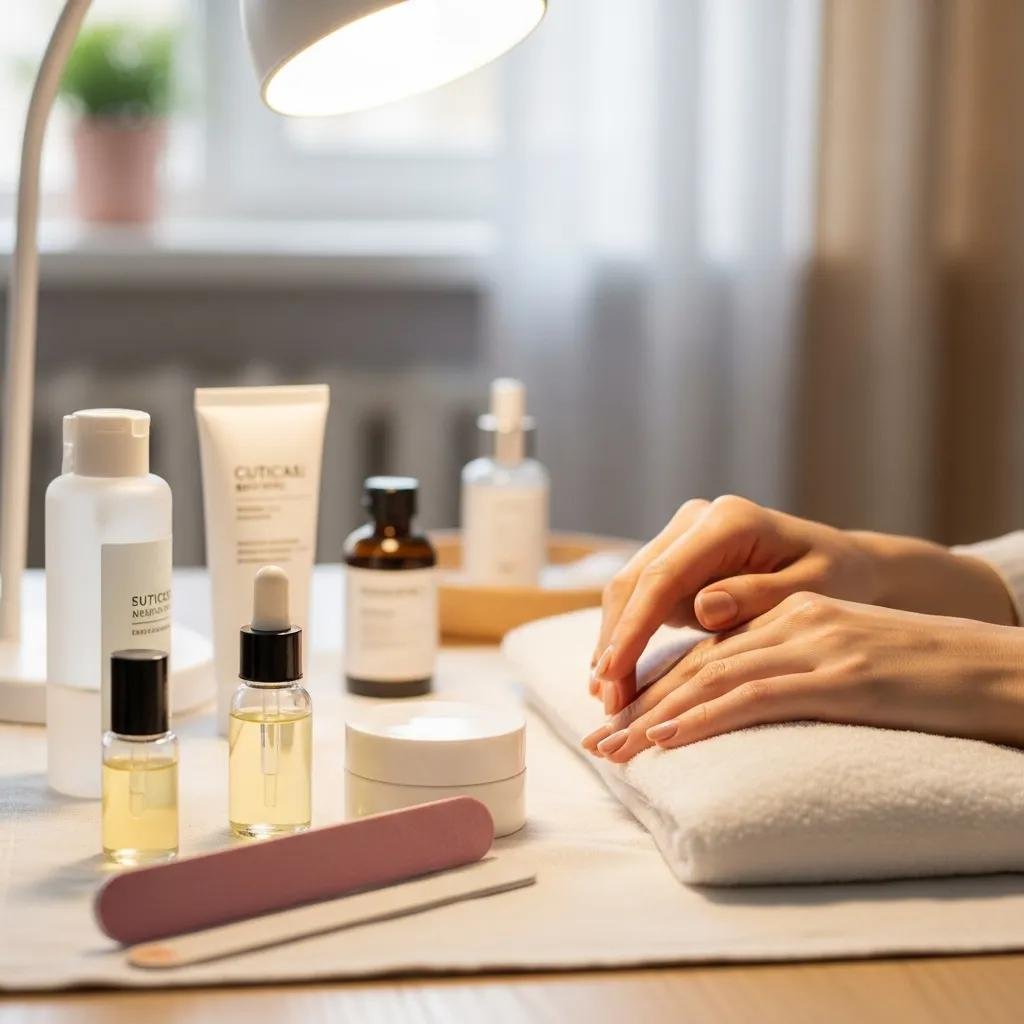
A reliable at-home routine is built on gentle cleaning, careful trimming and filing, consistent moisturizing, and a weekly strengthening step to protect the nail plate and bed. Small daily habits cut down on microtrauma that leads to splits, while weekly treatments support keratin formation and reduce water-related swelling. Begin by removing polish gently, trimming to a useful length, and filing in one direction to prevent fraying. Finish with cuticle oil and a rich hand cream to lock in moisture and protect the lunula and nail plate. Protecting your hands during chores — like wearing gloves for detergents and avoiding long soaks — keeps the keratin matrix from over-swelling and weakening. These daily and weekly building blocks set you up for the specific routines and techniques that follow.
Which Daily Steps Promote Healthy Nail Growth?
Daily care focuses on hydration, gentle grooming, and protection — the foundations of steady keratin growth and fewer breaks. Apply cuticle oil each night and a thick hand cream after washing to keep the nail fold and surface supple; oils with fatty acids penetrate around the nail while creams seal that moisture. Use a soft 240-grit file and file in one direction to avoid tiny tears that turn into splits. Keep nails a bit shorter while they recover to reduce leverage and accidental breaks. Wear gloves for cleaning and gardening to prevent chemical and mechanical damage. And remember: staying hydrated and eating enough protein supports keratin production from the inside out. These small, repeatable habits lead to stronger nails over weeks and months.
A clear daily routine makes weekly maintenance more effective.
The best at-home routine includes these step-by-step actions:
- Clean gently: use a soft brush and mild soap to remove dirt without over-soaking the nail plate.
- Trim and file: clip to a useful length and smooth edges with a 240-grit file, filing in one direction.
- Moisturize nightly: massage cuticle oil into the nail fold, then seal with a hand cream.
- Protect: wear gloves for wet chores and limit removals with strong solvents.
These four core steps are easy to adopt and will be referenced when we cover tools and product choices next.
What Are the Most Effective Natural Nail Strengthener Recipes?
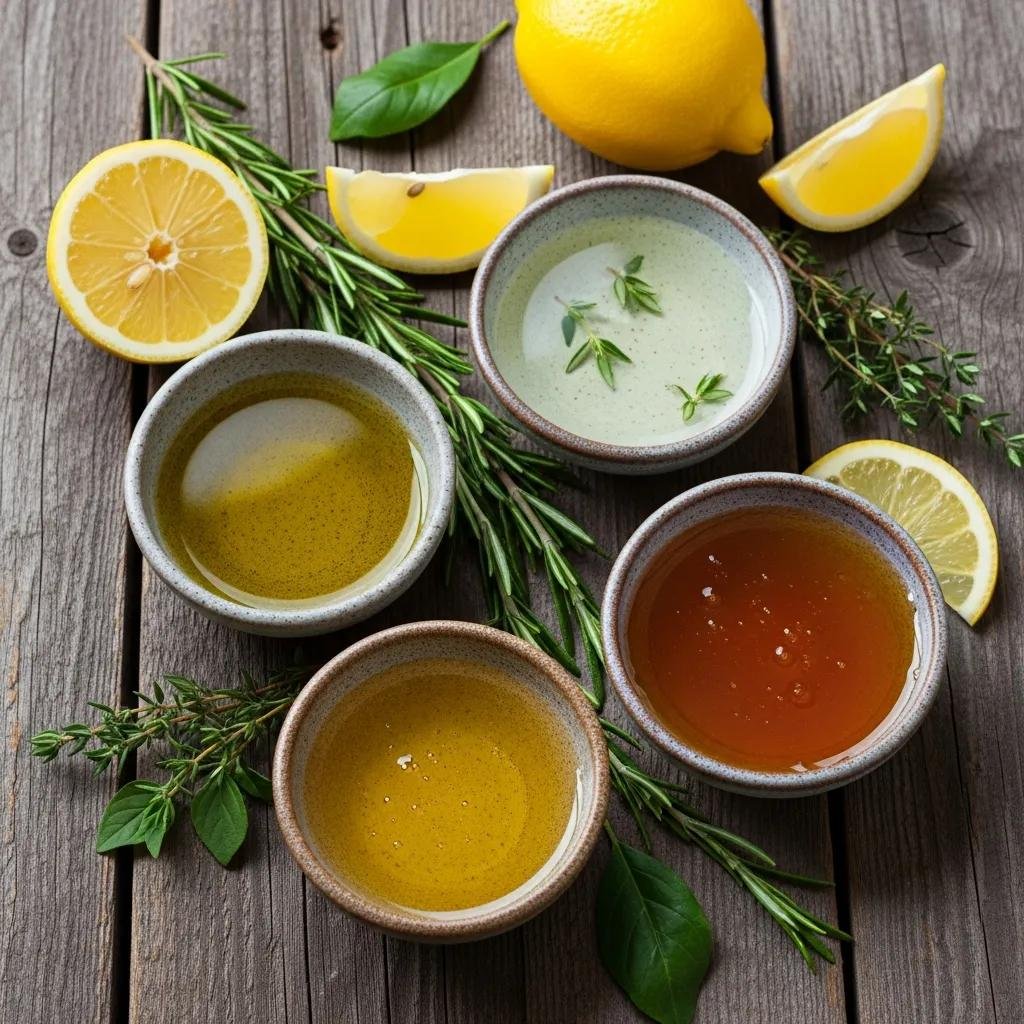
Natural strengtheners help by restoring moisture, delivering antioxidants, and adding fatty acids that support the nail plate and surrounding skin — a gentler way to repair brittle nails. Single-ingredient soaks deeply hydrate the cuticle and plate, while blends pair an oil base with vitamins or humectants for extra benefit. Always dilute when needed and patch-test blends to avoid irritation. Below is a compact comparison of common ingredients, how they work, and safe ways to use them so you can choose recipes that match your needs.
Popular natural ingredients for home treatments include olive oil, jojoba oil, vitamin E, and honey-lemon mixes:
Use this comparison to pick a go-to treatment. Next we’ll explain why each ingredient works and how to mix safe DIY blends.
Which Oils and Ingredients Help Repair Brittle Nails?
Oils and nutrient-rich ingredients help rebuild nails by replenishing lipids, reducing water loss, and supplying antioxidants that protect the matrix. Olive oil’s oleic acids soften and hydrate cuticles; jojoba absorbs like natural sebum and conditions the nail fold. Vitamin E adds topical antioxidant benefit when mixed into an oil carrier, and collagen-supporting ingredients — like hydrolyzed keratin or dietary collagen — contribute building blocks from within. With nightly oiling and weekly masks, many people notice smoother texture and less splitting within 4–8 weeks, linking consistent topical care to visible results.
How to Prepare and Use DIY Nail Treatments Safely?
Make DIY treatments with clean tools, accurate measurements, and a patch test to reduce irritation and infection risk. Use sterilized containers and measure oils or additives precisely — most single-session recipes use a teaspoon to a tablespoon — and test a small patch of skin before full use. Label mixes with the date and store in a cool, dark spot; discard homemade blends after a few weeks to prevent rancidity. Follow a simple schedule: short daily oiling, weekly soaks or masks, and avoid acidic or abrasive treatments more than once a week to protect the nail plate. These precautions keep your routines safe and effective.
Keeping a safety-first mindset preserves progress from natural recipes and makes it easy to combine topical care with dietary support.
How Can Diet and Vitamins Support Stronger Nails?
Healthy nails depend on internal nutrition: specific vitamins and minerals help keratin production, collagen formation, and cellular repair, leading to visible improvements over weeks to months. Biotin supports keratin structure; iron and zinc are important for cell growth and protein synthesis; vitamin C aids collagen formation and iron absorption. The table below maps nutrients to their role and practical food sources or dosing suggestions so you can address gaps through food or supplements when needed.
Key nutrients for nail health include biotin, iron, zinc, vitamin C, and protein:
Use this as your roadmap for dietary changes; next we’ll give simple meal ideas to help you include these nutrients regularly.
Which Vitamins and Minerals Are Essential for Nail Health?
Several vitamins and minerals directly affect nail growth and appearance by supporting keratin formation, cell turnover, and antioxidant defense. Biotin is linked to thicker, less-split nails when intake is adequate; iron deficiency can cause brittle or spoon-shaped nails because the matrix isn’t getting enough oxygen. Zinc helps with tissue repair and protein synthesis, while vitamin C helps collagen formation and improves iron uptake. Spotting signs like thinning, ridging, or slow growth lets you target changes through diet or medical testing.
What Foods Should You Include for Optimal Nail Strength?
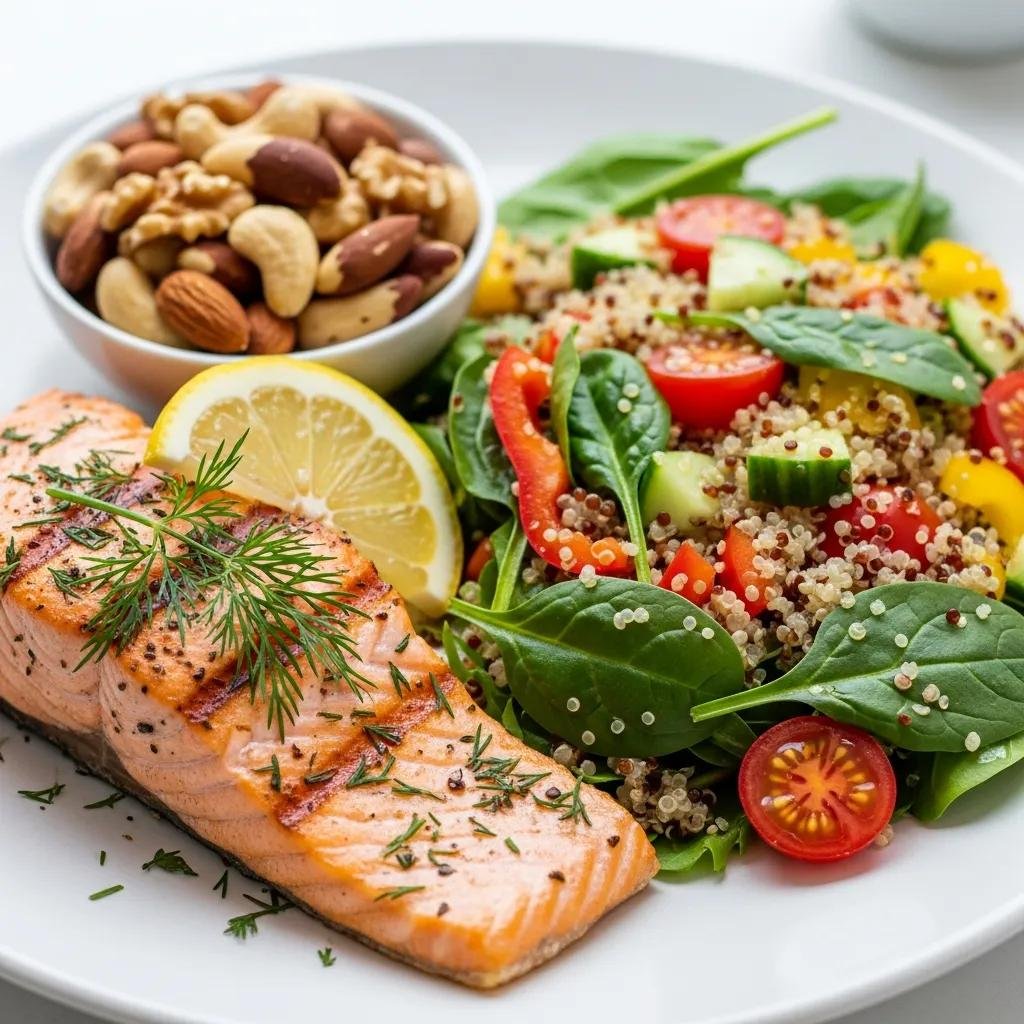
Choose meals rich in protein, healthy fats, and micronutrients to give your body the building blocks for durable keratin and resilient nail plates. Aim to include protein at every meal for amino acids, healthy fats from nuts and seeds for cell membrane health, and vitamin C–rich fruits to support collagen and iron absorption. Simple pairings — eggs with spinach and bell peppers for breakfast, grilled salmon with quinoa for lunch, and a mixed-nut snack — make nutrient-dense eating easy to repeat. Over several nail growth cycles, consistent eating habits produce noticeable improvement and support your topical routines.
These food choices complement your topical treatments and help nails become thicker and less prone to breaking.
How to Treat Brittle Nails at Home Effectively?
Treating brittle nails at home uses two approaches: immediate protection to stop damage and longer-term support to rebuild strength. Short-term steps include cutting back on water and harsh chemicals, using protective base coats, and taping or trimming damaged tips to prevent worse breaks. Over time, add protein-rich meals, targeted supplements if needed, and regular oiling plus weekly strengthening masks to restore integrity. The table below compares common at-home remedies, how they work, expected results, and precautions so you can choose what fits your lifestyle.
This comparison helps you weigh fast fixes against long-term rebuilding and choose remedies that match your needs.
What Causes Nail Brittleness and How to Prevent It?
Brittle nails commonly come from repeated water exposure, harsh detergents, frequent polish removal, acrylics or gels, and nutrient shortages — and dry indoor heating can make things worse. Prevent brittleness by protecting the barrier and supporting nutrition: wear gloves for wet tasks, switch to gentler removers or acetone-free options, limit salon procedures that repeatedly stress the nail, and keep up hydration and protein intake. A simple daily prevention checklist addresses both external and internal causes to reduce recurrence.
Which At-Home Remedies Help Stop Nail Peeling and Breakage?
Use a tiered approach — behavior changes, topical support, then nutrition — to reduce peeling and breakage. Start by quitting picking, avoiding aggressive filing, and wearing gloves for chores. Add nightly oiling, weekly soaks or masks, and protective base coats. If problems persist, prioritize protein-rich meals and discuss supplements after checking for deficiencies. Expect gradual gains over one to three nail growth cycles. Tracking progress helps you adjust treatments if improvement stalls.
Monitor your nails and change your plan if results plateau, and know when to bring in a professional.
When Should You Seek Professional Help for Nail Issues?
See a professional if you notice persistent discoloration, pain, rapid deformity, or signs of infection — some conditions need medical diagnosis and treatment beyond home care. Understand the difference between cosmetic concerns (handled by licensed technicians or salons) and medical issues like fungal infections, psoriatic nail disease, or onycholysis, which require a dermatologist. Spotting red flags early lets you get timely referrals and prevents permanent damage to the nail matrix. Below is a short checklist to help you decide between continuing home care and seeking professional evaluation.
A quick checklist to guide your decision:
- Discoloration or thickening: may indicate a fungal infection and needs diagnosis.
- Pain, swelling, or pus: suggests an active infection that requires medical care.
- Nail detachment or rapid deformity: could be structural damage needing specialist attention.
Kylie Studio Salon pairs at-home maintenance with salon consultations and cosmetic services focused on strengthening and gentle grooming. Our team can offer personalized recommendations that align with any medical guidance. If you want a combined approach, salon pros can suggest protective polish strategies, safer enhancement options, and a tailored maintenance plan to reduce trauma and improve appearance. A beauty consultation at Kylie Studio Salon can bridge your home routine with expert, hands-on support.
What Signs Indicate the Need for Dermatologist Consultation?
Red flags — persistent yellowing or green discoloration, quick thickening, separation from the nail bed, pain, or drainage — usually warrant a dermatologist. Fungal, bacterial, or systemic conditions can present this way, and photos of progression help clinicians assess the problem. If home care hasn’t helped after several weeks or symptoms worsen, seek medical evaluation to prevent lasting damage and learn whether topical, oral, or procedural treatments are needed. Knowing these signs helps you act quickly to protect long-term nail health.
For practical, hands-on guidance that ties these medical and environmental tips into a daily routine, a short salon consultation can streamline your choices and set up a plan you’ll follow at home.
How Does Professional Care Complement At-Home Nail Maintenance?
Professional care enhances at-home routines by offering accurate assessment, pointing to medical referrals when needed, and providing salon services that minimize trauma while improving appearance. Licensed technicians can show correct filing techniques, recommend salon-grade base coats that reduce moisture loss, and perform gentle cuticle care that protects the matrix. When issues are medical, they can help coordinate dermatologist referrals. Combining home hydration and nutrition with periodic professional maintenance gives the best cosmetic and structural results for your nails.
With consistent home care plus professional support, you’ll see faster, more lasting improvements in nail resilience.
How Does Nail Care Connect to Overall Beauty and Wellness?
Nail health reflects broader beauty and wellness: hair and nails share keratin and similar nutrient needs, so improvements in diet, hydration, and lifestyle help both. Well-groomed nails boost confidence and round out a polished look that complements hair and skin care — part of a self-care routine that supports overall well-being. Environmental factors like seasonal dryness or pool chlorine also affect nails, so coordinated prevention — humidifiers in winter, gloves for poolcare — supports holistic beauty goals. Below we look at the biological links and local environmental factors to help you adapt routines.
These connections show why integrated beauty routines produce broader wellness benefits and help you apply tips across hair, skin, and nails.
What Is the Relationship Between Hair and Nail Health?
Hair and nails rely on many of the same building blocks — keratin, amino acids, and supporting vitamins — and respond to similar nutritional fixes like extra protein and biotin. Increasing sulfur-containing amino acids, collagen precursors, and key vitamins often improves both hair and nail strength within a few months. Chemical and styling practices that damage hair can also harm nails, so reducing chemical exposure and using protective routines benefits both. Treating hair and nails as part of the same keratin-focused plan makes your care more efficient and effective.
Seeing hair and nails together in a single wellness approach makes small changes more powerful.
How Do Environmental Factors in Bethesda, MD Affect Nail Strength?
Local conditions — winter dryness, indoor heating, and exposure to chlorinated pools — can speed nail dehydration and brittleness unless you take countermeasures. In colder months, use a humidifier and increase topical moisturization to prevent cracking; after swimming, rinse and apply a barrier oil to reduce drying. For Bethesda residents, adjusting your routine seasonally keeps nails protected and ties neighborhood conditions to the practical regimen above.
Our team at Kylie Studio Salon can translate these environment-focused tips into personalized maintenance plans and product suggestions. If you prefer hands-on help, a short consultation will give you a routine tailored to your lifestyle and seasonal needs.
Frequently Asked Questions
What are the common signs of nail health issues?
Look for changes in color, thickness, or texture. Yellowing or green tones can point to a fungal issue, while sudden thickening may signal another problem. Brittle nails that split easily or lift from the nail bed can indicate nutritional gaps or medical conditions. Noticing these signs early helps you seek the right treatment and prevent further damage.
How often should I change my nail care routine?
Reassess your routine every few months or whenever you notice changes. Seasonal shifts, diet, and lifestyle affect nail health. If brittleness or peeling persists, increase hydration, protect your nails more, or tweak your diet. Regular updates keep your routine effective and responsive to your nails’ needs.
Can stress affect nail health?
Yes — stress can lead to habits like biting or picking, which damage nails, and it can affect overall nutrition and hormones, slowing growth. Managing stress with sleep, movement, and relaxation helps both your mental well-being and your nails.
Are there specific products I should avoid for nail care?
Avoid overly harsh products like frequent acetone removers and nail hardeners that contain formaldehyde — these can dry and weaken nails over time. Choose gentle, nourishing options with natural oils and vitamins, and always read labels to make sure a product supports your goals.
How long does it take to see improvements in nail strength?
Expect to see changes in roughly 4–12 weeks, depending on severity and consistency. Diet, hydration, and regular topical care all influence the timeline. Stay patient and consistent — small daily habits add up to real improvement.
What role does hydration play in nail health?
Hydration keeps nails flexible and less prone to cracking. Drink enough water and use moisturizers like cuticle oil and hand cream to prevent brittleness. Well-hydrated skin around the nail also supports healthier nail growth.
Can dietary changes improve nail health?
Absolutely. A balanced diet rich in biotin, zinc, iron, protein, and vitamin C supports keratin production and overall nail strength. Foods like eggs, nuts, leafy greens, and lean meats are great choices. Paired with topical care, dietary changes can lead to noticeable improvements over time.
Conclusion
Simple, consistent at-home care can make a big difference in nail strength and appearance. Combine daily hydration, protective habits, and nutrient-rich eating to reduce brittleness and peeling over time. For personalized guidance and professional follow-up, book a consultation with our team at Kylie Studio Salon — we’ll help you build a routine that fits your life and keeps your nails strong and beautiful. Start your stronger-nails routine today.