Understanding Hormonal Hair Changes in Women: Practical Solutions for Thinning, Loss, and Daily Care
Hormonal hair changes describe shifts in density, texture, growth rate, and shedding that happen when hormones like estrogen, progesterone, and androgens change. These hormones affect the hair’s cycle—anagen (growth), catagen (transition), and telogen (rest)—so fluctuations can shorten the growth phase or push follicles into shedding sooner than usual. This guide walks through the hormones involved, how life stages such as pregnancy and menopause typically change hair, how to tell thinning from breakage, salon and at-home management tips, and where to find hands-on help in Bethesda. You’ll get clear, practical steps to minimize visible thinning, strengthen fragile shafts, and make informed choices about treatments like keratin, deep conditioning, and purposeful styling. Our advice blends current research with salon-tested approaches and easy next steps for evaluation and care.
What Hormones Influence Hair Changes in Women?
Several hormones shape hair by controlling follicle cycling, scalp oil, and shaft health. Estrogen and progesterone tend to lengthen the anagen phase and make shafts thicker. Androgens — especially dihydrotestosterone (DHT) — can shorten anagen, cause follicle miniaturization, and lower overall density in sensitive follicles. Thyroid hormones affect the metabolic support follicles need, and cortisol (the stress hormone) can trigger telogen effluvium by pushing hairs into the resting phase. Knowing how each hormone works helps explain why different life events create different hair patterns and points to targeted salon and medical options for management.
How Do Estrogen and Progesterone Affect Hair Growth and Thickness?
Estrogen and progesterone help hair by extending the growth phase and increasing shaft diameter — which often leads to fuller, shinier hair during high-hormone times like pregnancy. When those hormones fall, such as after childbirth or during perimenopause, the anagen phase shortens and more hairs move into telogen, which shows up as shedding or overall thinning. This usually looks like a general loss of density rather than distinct bald patches. Salon-focused strategies that strengthen the shaft and add volume can noticeably improve appearance while follicles recover. Knowing the hormonal cause helps you and your stylist pick gentle protein treatments, moisture-balancing protocols, and cuts that maximize perceived fullness.
What Role Do Androgens and DHT Play in Female Hair Thinning?
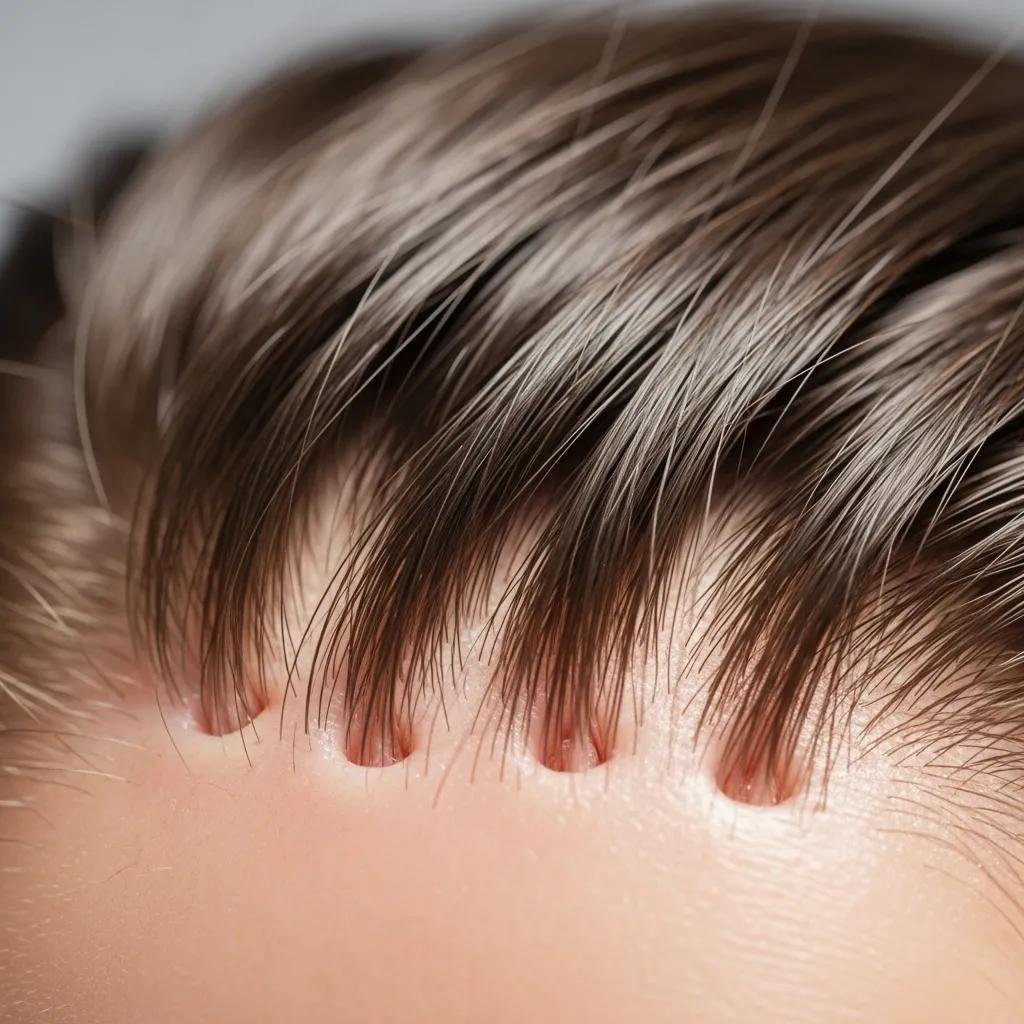
Androgens, particularly DHT, can attach to sensitive follicle receptors and trigger follicular miniaturization — a process where the growth phase shortens and hairs become finer. This is the main mechanism behind androgenetic alopecia in women and can be worsened by conditions like that raise androgen levels. While medical treatments target DHT systemically or locally, salon strategies focus on concealment and scalp support — density-enhancing cuts, color placement to create contrast, and topical strengthening treatments that lower breakage. Spotting patterns like a widening part line or crown thinning is a cue to seek medical evaluation for androgen sensitivity.
Which Life Stages Cause Hormonal Hair Changes in Women?
Hormonal hair changes often follow predictable life stages when hormones shift dramatically, producing recognizable hair responses. Pregnancy usually brings increased fullness due to higher estrogen, followed by postpartum telogen effluvium when estrogen drops. Perimenopause and menopause feature declining estrogen and progesterone with a relative rise in androgen effects, which tends to cause diffuse thinning and texture shifts. Other times like puberty, thyroid imbalance, or conditions such as also create distinct patterns. Connecting life stage to expected hair behavior helps set realistic expectations and choose the right salon or at-home approach.
The bullets below map common life stages to typical hair changes and timelines for quick reference.
- Pregnancy: Fuller, glossier hair during pregnancy from a prolonged anagen phase; these changes usually reverse after delivery.
- Postpartum (3–6 months): Telogen effluvium leads to increased shedding that often peaks a few months after birth, with regrowth over 6–12 months.
- Perimenopause/Menopause: Gradual thinning and finer texture as estrogen and progesterone decline and androgen effects become relatively stronger.
- PCOS/Endocrine Conditions: Patterned scalp thinning or increased facial/body hair depending on androgen excess; timelines vary with treatment.
- Thyroid Dysfunction: Diffuse thinning, dryness, or brittle shafts tied to hypo- or hyperthyroidism; symptoms usually improve with thyroid management.
This life-stage map helps decide whether cosmetic, supportive salon care or a medical workup should come first, and it leads naturally into spotting the specific symptoms to watch for.
How Does Menopause Lead to Hair Thinning and Texture Changes?
Menopause brings a sustained drop in estrogen and progesterone and a relative increase in androgen influence, which shortens anagen and encourages follicle miniaturization where someone is genetically susceptible. Typical signs are diffuse thinning, a wider part line, and hair that feels finer, drier, or more brittle. These texture changes usually require both strengthening and moisture-restorative care. Salon services that add structure — strategic layering, densifying color, and protein-rich treatments — can improve visual fullness and manageability while medical options are explored. Recent evidence suggests combining topical care with nutrition and stress-management improves cosmetic outcomes during this transition.
What Are the Effects of Postpartum Hormonal Shifts on Hair Loss?
Postpartum telogen effluvium happens when the high-estrogen state of pregnancy reverses after delivery, sending many hairs into telogen so they shed about 3–6 months later. It can feel alarming, but it’s usually temporary: most people see regrowth within 6–12 months as cycles normalize. Salon interventions focus on gentle trims, conditioning to reduce breakage, and styling tricks to camouflage thinning during regrowth. If hair loss is persistent, patchy, or outside expected timelines, a medical check for thyroid dysfunction or iron deficiency is wise.
What Are Common Symptoms of Hormonal Hair Changes in Women?
Hormonal changes produce a set of recognizable signs that help distinguish endocrine causes from mechanical or dermatologic damage. Look for diffuse thinning (lower overall density), increased shedding (more hair on your brush or pillow), brittle shafts and breakage, texture shifts (dryness or coarseness), oily scalp or dandruff tied to sebum changes, and a widening central part. Telling these patterns apart helps decide whether salon strengthening, targeted topicals, or medical testing should come first.
Below are the primary symptoms to watch for, with short notes to help you self-assess.
- Thinning: Less scalp coverage or a wider part line — usually a loss of follicular density rather than shaft breakage.
- Shedding: Noticeable increase in fallen hairs during washing or brushing — a sign of telogen effluvium.
- Brittleness/Breakage: Short, unevenly broken hairs point to mechanical or chemical damage more than hormonal loss.
- Texture Changes: Hair that becomes drier, frizzier, or coarser often links to lower estrogen or thyroid shifts.
- Scalp Signs: Increased oiliness, dandruff, or inflammation can suggest hormonal effects or scalp health issues needing assessment.
These clues help you choose immediate cosmetic steps and decide when to pursue medical evaluation for underlying endocrine causes.
How to Recognize Hair Thinning, Shedding, and Brittleness?
Telling thinning, shedding, and breakage apart is often straightforward with a few at-home checks. Thinning shows as lower density and more visible scalp without lots of short broken hairs. Shedding appears as many full‑length hairs shedding from the root, commonly noticed during shampooing. Breakage shows short, jagged ends from shaft damage. Simple tools like a gentle pull test (after checking clinician guidance) and photos of your part line over time help track changes. Once you know the mechanism, you and your stylist or clinician can target repair, regrowth, or triggers more effectively.
What Scalp Issues and Texture Changes Indicate Hormonal Imbalance?
Scalp and texture signs that point to hormones include a persistently oily scalp or seborrhea, dandruff that doesn’t respond to over-the-counter shampoos, chronic itch or inflammation, and hair that becomes uniformly finer or coarser over a short period. These differ from purely mechanical damage because they often come with systemic symptoms or align with life-stage changes. A professional scalp check can spot inflammation, recommend gentle scalp treatments, and flag tests (like thyroid panels or hormone checks) when needed for an integrated plan.
How Can Salon Treatments Help Manage Hormonal Hair Changes?
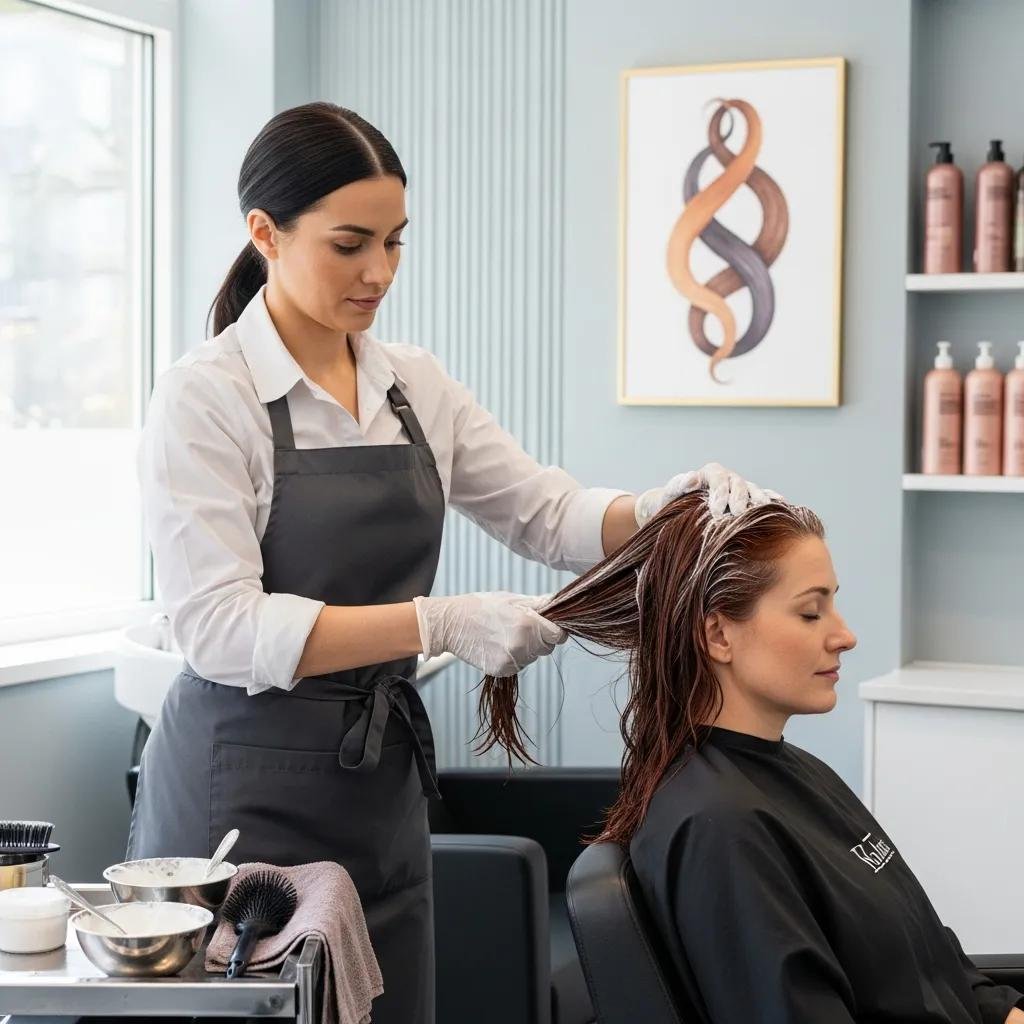
Yes — salon treatments can meaningfully improve symptoms by strengthening fragile shafts, restoring moisture balance, adding visual density, and bringing back shine and manageability even though they don’t change underlying hormones. Services like keratin smoothing, deep conditioning masks, hair glosses, targeted scalp therapies, and expert cuts and styling reduce breakage, improve texture, and create the appearance of fuller hair. Treat these as symptom-focused tools that work alongside medical or nutritional strategies. The table below compares common salon options so you can pick treatments that match your symptoms and hair type.
Salon treatment attributes and how they map to hormonal symptoms are summarized in the table below.
This comparison helps you see which salon treatments target breakage, texture, and volume, and when to pair them with at-home care for better results.
To connect these options with local care, Kylie Studio Salon in Bethesda offers services tailored to hormonal-hair concerns — including Keratin Treatment, Deep Conditioning Treatment, Hair Gloss, and expert Haircuts and Styling. Our team focuses on personalized consultations, skillful application, and plans that translate clinical advice into manageable, sustainable salon and at-home routines.
What Benefits Do Keratin Treatments and Deep Conditioning Offer for Thinning Hair?
Keratin treatments lay down protein along the shaft to temporarily strengthen the cuticle, reduce porosity, and limit breakage — leaving hair smoother, more aligned, and visually fuller because frizz is controlled. Deep conditioning delivers concentrated moisture and reparative ingredients that restore elasticity and reduce split ends, which helps brittle hair common with hormonal shifts. Together, they make the shaft more resistant to mechanical stress and improve styling outcomes. Aftercare usually includes sulfate-free shampoos, periodic maintenance, and styling habits that limit heat and tension.
How Can Expert Haircuts and Styling Improve Volume and Confidence?
Smart cutting and styling use shape and weight to create the illusion of density — blunt ends for weight, graduated layers for lift, and selective texturizing for movement. Color techniques such as subtle lowlights and dimension add contrast that visually thickens strands, while root-lifting styling and the right product layering help everyday manageability. Beyond the aesthetic change, a tailored cut often restores confidence affected by perceived hair loss. Combining a customized cut with easy at-home styling tips helps you keep a fuller look between salon visits.
What Lifestyle and At-Home Care Support Hormonal Hair Health?
Lifestyle and daily care play a central role in supporting hair during hormonal transitions by addressing nutrition, reducing stress triggers for telogen effluvium, and minimizing mechanical damage. Key actions include ensuring adequate iron, vitamin D, zinc, biotin, protein, and omega‑3 intake; favoring low-manipulation styles; using gentle cleansing and targeted topical boosters; and adding stress-reduction habits. These measures work with salon treatments and medical evaluations to support both follicle biology and shaft integrity.
This paragraph explains why a focused nutrient approach matters and how it pairs with salon recommendations to support hair during hormonal shifts.
Which Vitamins and Nutrients Promote Hair Strength During Hormonal Changes?
Biotin, iron, vitamin D, zinc, protein, and omega‑3 fatty acids each support aspects of follicle and shaft health — from keratin synthesis to oxygen delivery, immune balance, and inflammation control. Whole-food sources like lean protein, legumes, fatty fish, nuts, and fortified cereals are the preferred first step. Blood testing for iron and vitamin D helps tailor supplementation safely. Salon pros can suggest topical treatments and strengthening routines that complement nutritional strategies. Coordinating care between clinicians, nutritionists, and stylists ensures supplements and cosmetic treatments match medical needs.
How Does Stress Management and Gentle Hair Care Reduce Hair Loss?
Chronic stress and elevated cortisol can trigger telogen effluvium by sending follicles into the resting phase, so stress-reduction practices — mindfulness, better sleep, regular moderate exercise, and counseling when needed — reduce that trigger. Gentle hair care — low-manipulation styles, wide-tooth combs, and limiting heat and harsh chemicals — reduces mechanical breakage that can compound hormonal shedding. Regular scalp massage can boost blood flow and local nutrient delivery, supporting follicles. When stress-related shedding is suspected, pairing behavioral strategies with salon support is a practical recovery plan.
Where Can Women in Bethesda Find Expert Help for Hormonal Hair Loss?
Local access to experienced stylists and consultation-focused salons matters because a personalized evaluation of density, texture, and scalp health shapes a combined cosmetic and medical referral plan. Kylie Studio Salon serves Bethesda clients with targeted services for hormonal-hair symptoms and offers personalized consultations to build stepwise plans that combine salon therapies and at-home care. A typical consultation includes a visual scalp and hair assessment, discussion of life-stage timing and medical history, and a tailored program of salon treatments and maintenance. Booking a focused consultation is the first step toward coordinated cosmetic and clinical care.
Kylie Studio Salon helps Bethesda clients through individualized attention and services matched to hormonal-hair needs. Owner and stylist Ruth brings over 11 years of experience, and the salon’s strengths are personalized service, skilled stylists, and a commitment to restoring damaged hair. Services aligned with hormonal-hair concerns include Keratin Treatment, Deep Conditioning Treatment, Hair Gloss, and expert Haircuts and Styling, with consultations that outline realistic timelines and maintenance plans.
Below are steps to prepare for a consultation and what to expect during your first visit.
- Bring photos showing your hair over time and a list of medications and supplements to the consultation.
- Note the timeline of your hair changes, recent life events (pregnancy, menopause, stress), and any scalp symptoms.
- Expect a visual assessment, styling recommendations, and a personalized treatment plan with suggested follow-ups.
Why Choose Kylie Studio Salon for Hair Care and Treatments in Bethesda, MD?
Kylie Studio Salon offers local expertise focused on hair restoration and care that directly addresses hormonal-hair concerns by blending restorative treatments with intentional styling. Our core strengths are one-on-one service, experienced stylists led by owner Ruth, and a suite of treatments — Keratin, Deep Conditioning, Hair Gloss, and Haircuts & Styling — designed to strengthen shafts and improve the look of density. You can expect a consultative approach that assesses scalp health, identifies shaft vulnerabilities, and recommends a staged program of salon treatments plus at-home maintenance.
Our salon’s cosmetic care complements medical evaluation by improving appearance and daily routines while clinicians investigate underlying hormonal causes when needed.
How to Book a Consultation for Thinning Hair and Hormonal Hair Solutions?
Booking a focused consultation for thinning hair is easiest when you come prepared with a brief history and an understanding of typical follow-up steps so time in the appointment is used well. A standard consultation covers your timeline, hair-care history, recent medical events, and a visual scalp/hair assessment, followed by recommended salon services and an action plan that may include periodic maintenance visits. Bring recent photos and a list of products, supplements, and medications to help your stylist tailor recommendations quickly. After the visit, you’ll receive a clear proposal outlining suggested treatments, maintenance frequency, and checkpoints to track progress.
The checklist below summarizes what to bring and what next steps typically look like.
- Recent photos of your hair at different times, a list of medications/supplements, and notes on recent life events.
- Expect a 30–60 minute consultation with assessment, service recommendations, and a personalized care plan.
- Follow-up visits to monitor progress, tweak treatments, and coordinate referrals if medical testing is advised.
This structured approach helps ensure consultations lead to measurable improvement and support long-term hair health through hormonal transitions.
Frequently Asked Questions
What lifestyle changes can help manage hormonal hair changes?
Small, consistent lifestyle changes can make a big difference. Eat a balanced diet rich in iron, biotin, and omega‑3s to support hair strength. Practice stress-reduction techniques like mindful breathing, regular exercise, and prioritizing sleep to lower the risk of stress-induced shedding. Use gentler hair-care habits — limit heat styling, choose wide-tooth combs, and avoid tight hairstyles — to prevent extra mechanical damage while your hair recovers.
How can I differentiate between hair thinning and hair shedding?
Thinning usually looks like a gradual loss of density across the scalp, while shedding is losing full-length hairs, often noticed when you wash or brush. A gentle pull test can offer clues (after checking clinician guidance): if more than a few hairs come out, shedding may be happening. Keeping photos or a short hair diary helps track trends over time and makes it easier to spot true thinning versus temporary shedding.
Are there specific products recommended for hormonal hair changes?
Certain products can help manage symptoms: look for shampoos and conditioners with biotin, keratin, or nourishing oils to strengthen and hydrate. Topical treatments such as minoxidil are commonly recommended for thinning hair, but always consult a stylist or dermatologist to choose products that suit your hair type and medical needs.
What role does nutrition play in hair health during hormonal changes?
Nutrition is a foundation for healthy hair. Key nutrients like iron, vitamin D, and biotin support follicle function and keratin production. A diet with lean proteins, healthy fats, and a variety of fruits and vegetables supplies many of the vitamins and minerals hair needs. If you suspect a deficiency, testing and guided supplementation are safer than guesswork.
How can I prepare for a consultation about hormonal hair loss?
To get the most from a consultation, bring recent photos of your hair, a list of medications and supplements, and a brief timeline of life events that could affect hair (pregnancy, major stress, menopause). Be ready to discuss your hair-care routine and any symptoms. This helps your stylist or clinician create a focused, practical plan quickly.
What are the potential side effects of hormonal treatments for hair loss?
Hormonal treatments that target androgens can have side effects, including mood changes, weight shifts, and menstrual changes. Some people notice skin reactions or increased hair growth in unwanted areas. It’s important to discuss risks and benefits with a healthcare provider and have supervision while using these therapies.
Conclusion
Understanding hormonal hair changes gives you the tools to take thoughtful, effective steps for thinning and loss. By recognizing hormonal influences and combining targeted salon treatments with smart at-home care and medical follow-up when needed, you can improve hair health and confidence. For personalized support, book a consultation at Kylie Studio Salon — our stylists will tailor treatments and a maintenance plan to your needs. Start your path toward stronger, fuller hair today.