Essential Vitamins & Supplements for Healthy Hair Growth and Maintenance
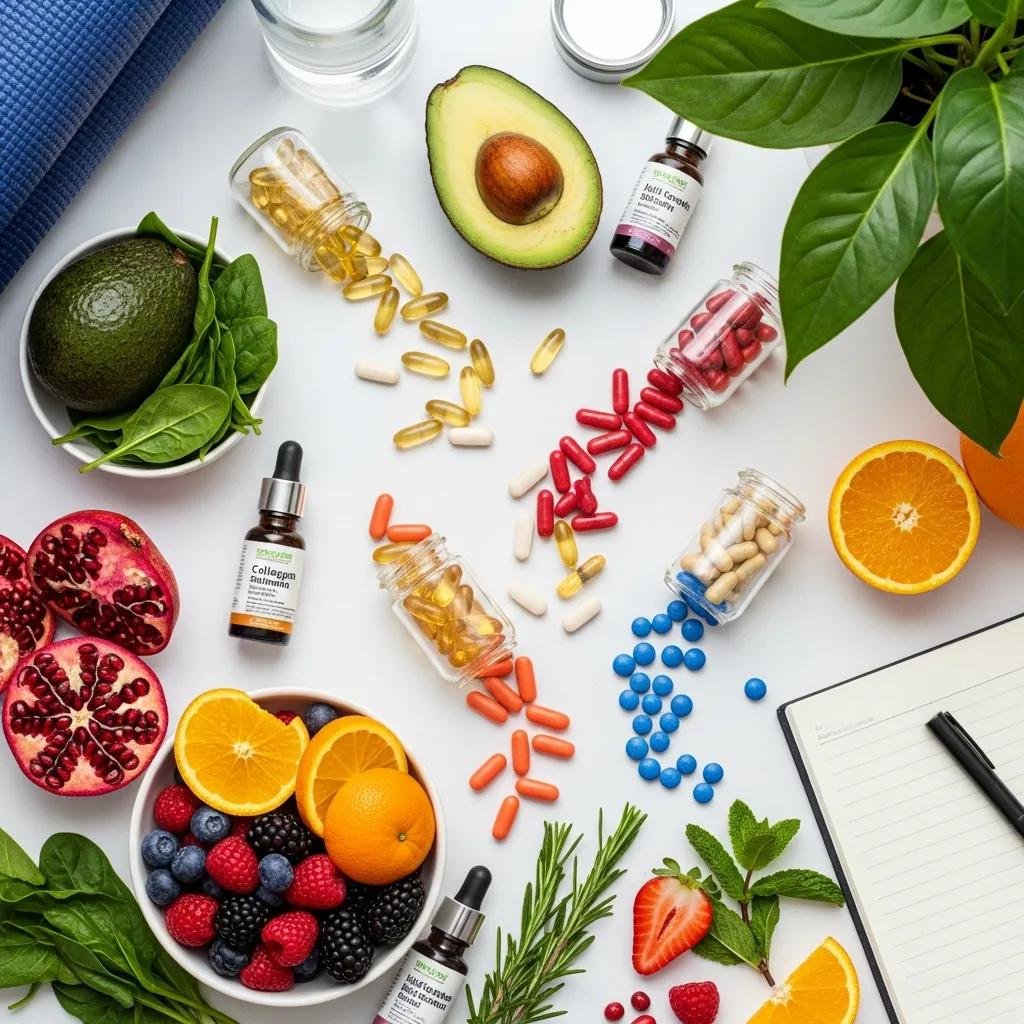
Healthy hair depends on the right nutrients — vitamins, minerals, protein and healthy fats all play a role in follicle function, keratin production and scalp resilience. This guide walks you through the nutrients most linked to hair growth, why they matter for the hair cycle and follicle biology, and how targeted supplementation can help when thinning is driven by deficiency. You’ll find clear, evidence-informed notes on biotin, vitamin D, vitamin E, iron, zinc, omega-3s, protein and antioxidants, practical dosage ranges, and tips for choosing high-quality products. We also map common, nutrient-responsive causes of hair loss and give simple daily routines for safely adding hair-supportive vitamins to your life. Expect actionable checklists, comparison tables, and next steps for testing, pairing supplements with topical or salon care, and when to seek clinical evaluation.
Which Vitamins Are Most Effective for Promoting Hair Growth?
The vitamins that most reliably affect hair health do one of three things: help make keratin, support healthy follicle cycling, or protect follicles from oxidative stress. That translates to stronger strands, less shedding and a healthier scalp. Research points to biotin for keratin production, vitamin D for follicle cycling and cell differentiation, and vitamin E as an antioxidant that helps preserve follicle integrity. Knowing how each works makes it easier to prioritize testing and targeted supplementation when signs point to a nutrient gap. Here’s a short overview of the top vitamins and what they do.
Top vitamins that support hair growth:
- Biotin: Supports keratin production and can improve hair strength when a true deficiency is present.
- Vitamin D: Helps regulate follicle cycling through vitamin D receptor signaling and may reduce shedding tied to low levels.
- Vitamin E: Acts as an antioxidant on the scalp and may help limit oxidative damage to hair.
These vitamins often complement broader B-complex or multivitamin support. Deciding which to prioritize depends on clinical context and, when appropriate, lab testing to confirm deficiency before long-term supplementation.
This table compares each vitamin’s main action, common dosing ranges and current evidence to help you choose a targeted approach.
The key takeaway: supplements tend to help most when deficiency is identified, or when they’re part of a combined plan. Testing helps guide dosing. From here, we’ll look closer at individual nutrients, starting with biotin, and move into practical supplementation advice.
How Does Biotin Benefit Hair Health and Growth?
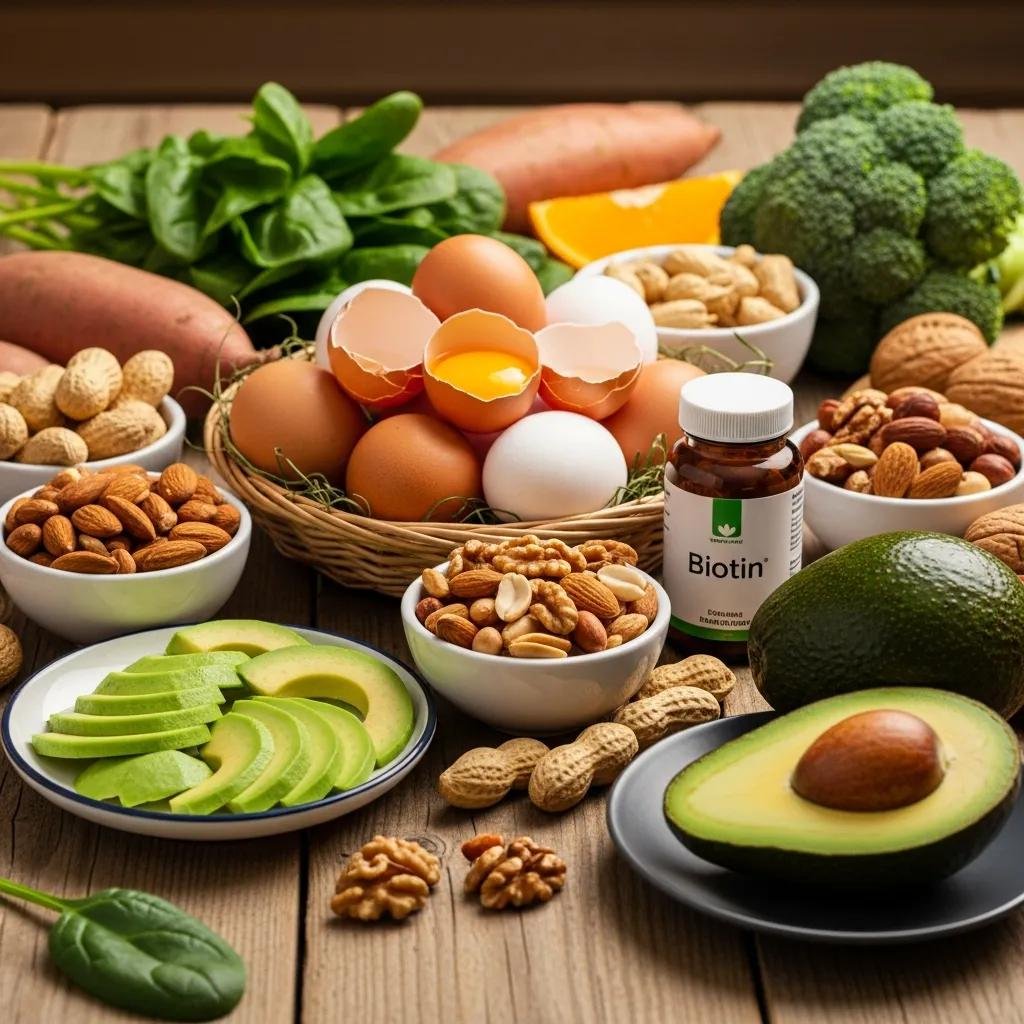
Biotin (vitamin B7) helps enzymes involved in fatty acid and amino acid metabolism — pathways that indirectly support keratin production and hair structure. When biotin is low, hair may become brittle, thin and more prone to breakage because those biochemical supports slow down. Clinical evidence supports supplementing mainly for people with confirmed biotin deficiency or specific metabolic conditions; routine high-dose use in people without deficiency shows less consistent benefit. If you notice brittle nails, dermatitis or unexplained shedding, consider blood testing and a conservative supplementation plan under clinician supervision.
Supplements marketed for hair commonly contain 2,500–5,000 mcg per serving, which is generally well tolerated, though very high intakes can interfere with certain lab tests. Whenever possible, confirm deficiency before starting and consider a balanced B-complex if broader metabolic support is needed. From here, we’ll look at fat-soluble vitamins and antioxidants for scalp resilience.
What Role Do Vitamin D and Vitamin E Play in Hair Strength?
Vitamin D acts on the vitamin D receptor in hair follicle cells and influences the switch between the growth (anagen) and resting (telogen) phases — low levels have been linked to telogen effluvium and some shedding patterns. Vitamin E is a lipid-soluble antioxidant that helps protect follicle cell membranes from oxidative damage, which can otherwise accelerate hair aging and weaken the shaft. Testing vitamin D is a common step when shedding is unexplained, since correcting deficiency can help normalize follicle cycling. Vitamin E is often used as complementary antioxidant support, particularly alongside vitamin C or polyphenol-rich extracts.
Supplement choices should reflect baseline levels: vitamin D needs monitoring to avoid excess, and vitamin E should be used cautiously at very high doses because of bleeding risk. When low vitamin D or signs of oxidative stress are present, repleting these nutrients alongside protein and mineral support can help strengthen hair and reduce shedding.
Kylie Studio Salon offers in-salon scalp assessments and personalized hair health consultations to complement nutritional strategies. During a consultation, a stylist or trichology-informed consultant evaluates scalp condition, hair density and damage patterns to recommend whether targeted nutrient testing or a combined in-salon treatment plan makes sense. These professional assessments help translate supplement guidance into a tailored plan that pairs products with topical or procedural care for better results.
What Are the Best Supplements for Preventing Hair Loss?
Some supplements have good evidence for reducing thinning when they address common deficiencies or provide structural and anti-inflammatory support. Iron and zinc correct mineral shortfalls that impair cell division and oxygen delivery, omega-3s reduce inflammation and support scalp circulation, and collagen supplies amino acids that feed keratin production. What’s best depends on the root cause — deficiency versus chronic inflammation — and on lab results. Below are core supplements and what they do.
Core supplements to consider for preventing hair loss:
- Iron: Restores stores to improve oxygen delivery and follicle function when iron-deficiency is present.
- Zinc: Supports cell division and helps regulate scalp sebum; useful when zinc levels are low or growth is slowed.
- Omega-3 (EPA/DHA): Lowers scalp inflammation and can support hair density by improving microcirculation.
- Collagen: Provides amino acids (glycine, proline) that support keratin synthesis and hair structure.
The table below summarizes target conditions, recommended forms and evidence strength for each supplement class to help you choose.
We emphasize testing for iron and zinc before supplementing. View omega-3s and collagen as supportive — helpful additions, not standalone cures. Pairing supplements with in-salon or medical treatments improves outcomes and reduces the risk of unnecessary dosing.
How Do Iron and Zinc Supplements Help Reduce Hair Thinning?
Iron delivers oxygen to rapidly dividing follicle cells and supports mitochondrial energy; when ferritin is low, follicles can switch early into telogen and cause diffuse shedding. Zinc helps DNA and protein synthesis in follicle cells and regulates sebum; deficiency can show up as thinning, slowed regrowth or scalp irritation. Bioavailability varies: ferrous salts are effective but may cause GI side effects, while heme iron or iron taken with vitamin C can improve absorption. Zinc picolinate is often easier to absorb, but too much zinc can disrupt copper balance — long-term high doses should be managed carefully.
Testing ferritin and serum zinc helps tailor dose and duration — iron repletion often takes several months and monitoring, while zinc should be balanced with dietary copper or periodic testing. Paying attention to absorption interactions and safe upper limits reduces side effects and supports restoration of healthy hair growth patterns.
Can Omega-3 Fatty Acids Improve Scalp Health and Hair Density?
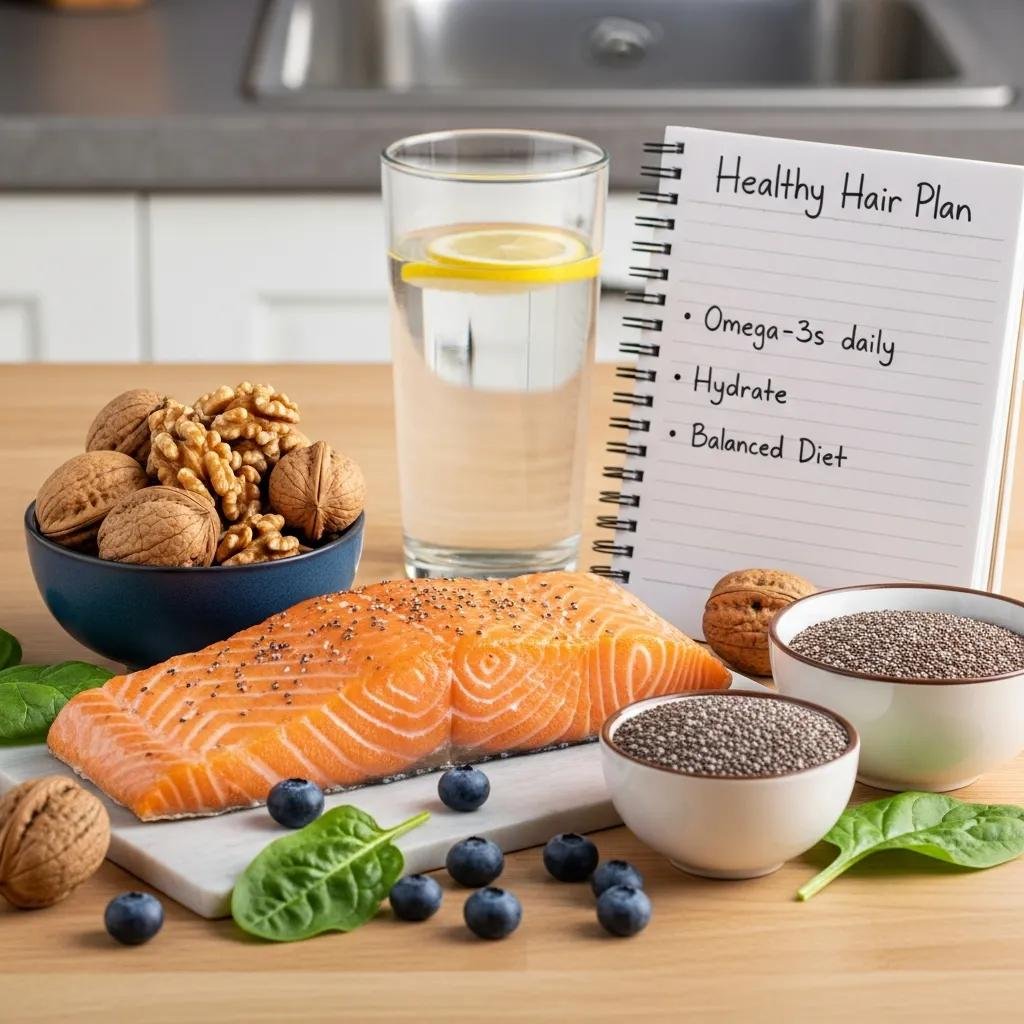
Omega-3s — especially EPA and DHA — have anti-inflammatory effects that can calm inflammation around hair follicles and improve scalp circulation, creating a healthier environment for growth. Clinical and observational studies suggest omega-3 supplementation can increase hair density and reduce shedding for some people, particularly when inflammation is part of the problem. Fish oil or algal oil provide EPA/DHA; typical therapeutic dosing ranges from 500–2,000 mg combined EPA/DHA daily, depending on needs and practitioner advice. Whole-food sources (fatty fish, flax for ALA) support intake but may not reach therapeutic levels on their own.
Omega-3s work well alongside topical anti-inflammatory treatments and in-salon scalp services that boost circulation. Because they act systemically, they also support heart and skin health — a useful bonus when building a hair-supportive regimen.
Which Nutrients Are Essential for Maintaining Healthy Hair?
Keeping hair healthy long-term needs more than vitamins and minerals: adequate protein and steady antioxidant intake are essential. Protein supplies the amino acids for keratin, while antioxidants protect follicles from oxidative damage that weakens hair. A diet with complete proteins and a variety of antioxidants reduces chronic stress on follicles; supplements can fill gaps when food alone falls short. Below are the main nutrient categories and why they matter for daily hair maintenance.
Key nutrient categories for hair maintenance:
- Protein and specific amino acids: Provide the building blocks for keratin and support strong shafts.
- Antioxidants (vitamin C, vitamin E, polyphenols): Defend follicles from oxidative stress and support collagen in the dermal sheath.
- Multimineral support: Keeps trace elements (iron, zinc, copper) available for essential enzymatic processes.
Knowing how amino acids and antioxidants work clarifies why overall diet matters for hair. The following sections dive deeper into protein and antioxidant roles.
Why Are Protein and Amino Acids Important for Hair Structure?
Hair is mostly keratin — a protein built from amino acids such as cysteine and methionine that determine strength, elasticity and disulfide cross-linking. Low protein intake or limited amino acid availability forces the body to redistribute resources, which can show up as thinner, weaker hair or slower growth. Collagen supplements and dietary proteins (lean meats, legumes, dairy or well-planned plant combinations) provide necessary precursors, and targeted amino acid supplements like cystine or methionine may help in specific clinical situations. For most adults, meeting daily protein needs (about 0.8–1.2 g/kg depending on activity and age) and eating varied protein sources supports steady keratin production.
When diet falls short, hydrolyzed collagen peptides or specific amino-acid supplements can concentrate building blocks for hair — but they work best alongside micronutrient repletion and scalp care. Consistent protein intake is the foundation before adding specialty supplements for repair.
How Do Antioxidants Support Hair Follicle Health?
Antioxidants neutralize reactive oxygen species that can damage follicle cells, DNA and the extracellular matrix that supports hair — slowing age-related weakening and preserving the growth environment. Vitamin C helps collagen synthesis in the dermal papilla and improves iron absorption, while vitamin E protects follicle cell membranes. Polyphenol-rich foods (berries, green tea) provide complementary antioxidant pathways. Combining whole-food antioxidants with sensible supplementation can reduce inflammation and shield follicles from UV, pollution and metabolic stress.
Antioxidant strategies are most effective when paired with adequate protein and minerals and with steps that address the root causes of follicle stress. That leads naturally to practical guidance on selecting the right supplements.
How to Choose the Right Hair Growth Vitamins and Supplements?
Choosing safe, effective supplements means checking product quality, ingredient forms, third-party testing and how well a product matches your lab results or symptoms. Follow a simple, stepwise approach: confirm deficiency with testing, prioritize evidence-backed nutrients, look for bioavailable forms and clinical doses, verify third-party testing, and avoid over-complicated multi-ingredient blends that obscure active amounts. The checklist below helps match supplements to your needs.
Step-by-step checklist for choosing quality supplements:
- Confirm nutrient deficiency through blood tests before committing to long-term supplementation.
- Prioritize single nutrients or targeted combinations at clinically effective dosages.
- Choose bioavailable forms (for example, ferrous salts or heme iron for iron; zinc picolinate for zinc).
- Look for third-party testing and transparent labels that list exact ingredient amounts.
To help evaluate products, the table below lists quality features, what to look for and practical tips for shopping online or in-store.
Using this checklist helps you avoid over-supplementation and choose formulas more likely to deliver results. Next, we’ll cover specific label features and red flags in more detail.
Kylie Studio Salon can help clients vet products and recommend supplement pathways based on visible scalp and hair assessments and individual goals. In consultations, our team interprets label claims, points out bioavailable forms and suggests referrals for lab testing when nutrient deficiencies are suspected — supporting an integrated approach between supplements and in-salon care.
What Should You Look for in Quality Hair Supplements?
Top-quality hair supplements have transparent labels, clinically relevant dosages, specified ingredient forms and third-party testing to confirm potency and purity. Watch for red flags: vague proprietary blends that hide amounts, labels that list “iron” without the salt type, or multi-ingredient formulas that under-dose key actives. A reliable product lists exact mg or mcg per serving for each active, uses bioavailable forms (zinc picolinate, ferrous sulfate or heme iron, clear EPA/DHA values) and provides a certificate of analysis or third-party seal. When shopping, match product doses to the clinical ranges outlined earlier and consult a clinician if you take prescription medications.
If a product meets these quality standards, include it in a wider plan that emphasizes testing, dietary improvements and coordinated care with your stylist or medical provider to maximize the chance of better results.
Are Natural or Synthetic Supplements More Effective for Hair Health?
“Natural” and “synthetic” labels aren’t the whole story. Natural extracts or food-based collagen can deliver multiple complementary compounds and feel gentler, while synthetic or isolated forms offer predictable dosing, stability and often better bioavailability for specific nutrients. Effectiveness depends on the nutrient: vitamin D3 (cholecalciferol), even when synthesized, is highly effective and stable, while botanical antioxidant blends may add polyphenols you won’t get from an isolated vitamin. Cost and purity matter too — synthetic forms are often more consistent, while natural extracts should be standardized to ensure consistency.
Choose formulations that prioritize bioavailability and clinical dosing over buzzwords. Prefer standardized botanical extracts when using whole-plant ingredients and select clinically tested forms for core nutrients like iron, zinc and omega-3s. Practical shopping tips: compare per-serving doses to clinical recommendations and favor products with third-party verification regardless of origin.
What Are the Common Causes of Hair Loss That Vitamins Can Address?
Supplements can reverse or improve hair loss when the driver is a nutritional deficiency, telogen effluvium after illness or stress, or oxidative stress that impairs follicle function. They’re less effective for genetic androgenetic alopecia or hair loss driven primarily by hormones without a clear nutritional deficit. Common nutrient-related causes include iron deficiency, low vitamin D and inadequate protein or essential fatty acid intake; correcting these often reduces shedding and supports regrowth. If hair loss continues despite nutritional correction, a dermatologist or clinician evaluation is the next step.
Telling which causes will respond to nutrients requires testing and a clinical history. The sections below explain how deficiency disrupts hair cycles and when supplements are adjunctive rather than primary treatments.
How Does Nutrient Deficiency Lead to Hair Thinning?
Deficiencies disrupt the hair growth cycle by pushing follicles prematurely into the telogen (resting) phase and impairing anagen (growth) phase activity — resulting in diffuse shedding and weaker strands. Iron deficiency reduces oxygen delivery and mitochondrial energy in follicle cells, vitamin D deficiency alters keratinocyte differentiation and follicle cycling, and inadequate amino acids limit keratin synthesis. Clinically, deficiency-related thinning often follows illness, a restrictive diet or chronic blood loss and shows up on tests for ferritin, vitamin D and related markers. Correcting deficiencies involves diet changes, targeted supplements and monitoring for several months to allow the hair cycle to recover.
Early recognition shortens recovery time; combining nutritional restoration with scalp care and protective styling protects regrowth and reduces mechanical breakage.
Can Stress and Hormonal Imbalances Be Mitigated by Supplements?
Supplements can support recovery from stress-related or hormone-linked hair loss, but they’re rarely a stand-alone fix for endocrine disorders. B-vitamins, adaptogens, omega-3s and antioxidants can help the body handle stress and aid recovery from telogen effluvium. For hormonal issues like thyroid dysfunction or androgen excess, nutritional support may ease symptoms but should be combined with medical evaluation and targeted treatment when needed. Evidence for adaptogens and some nutrient regimens shows promise for stress resilience, but randomized trials focused on hair outcomes are limited.
Think of supplements as supportive measures that improve systemic health and provide building blocks for hair repair while prioritizing medical assessment and lifestyle changes (stress reduction, sleep, exercise) to address root causes.
How to Incorporate Hair-Healthy Vitamins into Your Daily Routine?
Getting the most from supplements means paying attention to timing, absorption pairs and safety. Take fat-soluble vitamins (A, D, E) with meals containing fat, pair iron with vitamin C to boost uptake, and avoid taking calcium or high-dose zinc at the same time as iron to prevent absorption competition. Build a simple daily stack that reflects any tested deficiencies, use clearly dosed products, keep timing consistent and plan follow-up testing after 8–12 weeks to check progress. The checklist below sums up practical daily guidelines.
Daily routine checklist for hair supplements:
- Take fat-soluble vitamins with a meal that includes healthy fats for best absorption.
- Pair iron with vitamin C on an empty stomach or with light food to improve uptake and limit GI upset.
- Space competing minerals (iron vs calcium/zinc) by several hours to avoid absorption interference.
- Take omega-3 supplements with meals and be consistent daily for anti-inflammatory benefits.
Following these simple habits helps ensure supplements are absorbed and effective while minimizing interactions and side effects.
What Are the Recommended Dosages for Hair Growth Supplements?
These conservative ranges are a useful starting point but should be individualized after testing and clinical review: biotin is often dosed at 2,500–5,000 mcg/day for hair support when benefit is expected; vitamin D commonly ranges 800–2,000 IU/day, with higher repletion doses under supervision; iron dosing depends on deficiency severity and typically starts with oral ferrous salts plus monitoring; zinc supplements are commonly 15–30 mg/day but should not exceed tolerable upper limits without monitoring; omega-3 EPA/DHA combined dosing usually ranges 500–2,000 mg/day for anti-inflammatory support. Because interactions and upper limits matter — iron can interact with medications, excess zinc lowers copper, and very high vitamin E has risks — use lab tests and clinician guidance for targeted dosing rather than indefinite high-dose use.
Follow-up testing after 8–12 weeks helps confirm repletion and guides transitioning to maintenance doses alongside dietary improvements.
Are There Any Side Effects or Interactions to Consider?
Supplements can cause side effects and interact with medications. Iron often causes GI upset and can interact with levothyroxine and some antibiotics; high-dose zinc can cause nausea and lead to copper deficiency over time; very high omega-3 doses may increase bleeding risk and can interact with anticoagulants; high-dose vitamin E has been linked to bleeding concerns. Biotin can interfere with certain lab assays and produce misleading results. Recognizing interactions and monitoring for adverse effects is essential — stop supplements and consult a clinician if you experience unexpected symptoms or if you take prescription medications.
Before starting supplements, review your medications with a healthcare provider or pharmacist and favor conservative dosing with planned lab monitoring when appropriate.
Kylie Studio Salon recommends booking a personalized hair health consultation to review your visible scalp and hair condition, discuss supplement options in line with your goals, and coordinate referrals for medical testing when needed. A professional consult helps decide whether in-salon treatments, dietary changes or targeted supplements are the right next step and ensures any product recommendations fit your hair profile and overall health.
Frequently Asked Questions
1. How long does it take to see results from hair growth supplements?
Results vary by person and depend on the cause of hair loss, which nutrients you’re supplementing and your overall health. Generally, expect 8–12 weeks before noticing improvements in strength or density — that gives the hair cycle time to progress. Consistent supplement use plus a balanced diet and good scalp care help speed results.
2. Can I take multiple hair supplements at once?
Yes — many people take several supplements together. Just check labels so you don’t double up on the same ingredient or exceed recommended doses. Combining supplements can be helpful when they address different needs, but it’s wise to consult a healthcare provider to tailor a safe, effective regimen and avoid interactions.
3. Are there any dietary sources of vitamins that support hair growth?
Absolutely. Many hair-supportive vitamins come from food: biotin is found in eggs, nuts and whole grains; vitamin D is available from fatty fish, fortified dairy and sunlight exposure; vitamin E appears in nuts, seeds and leafy greens. Eating a varied, nutrient-rich diet complements supplementation and supports overall hair health.
4. Is it safe to use hair supplements during pregnancy or breastfeeding?
Always talk to your healthcare provider before starting supplements while pregnant or breastfeeding. Some nutrients need close monitoring and may interact with prenatal vitamins or other medications. A clinician can recommend safe options based on your individual needs.
5. What are the signs of vitamin deficiency affecting hair health?
Signs can include thinning, increased shedding, brittle strands and a dry or flaky scalp. Different deficiencies show different signs — iron deficiency often causes noticeable hair loss, while low vitamin D can lead to weak, shedding hair. If you suspect a deficiency, seek medical testing to confirm and guide treatment.
6. Can stress management improve hair growth?
Yes. Chronic stress is a common trigger for telogen effluvium, where follicles enter the resting phase early. Practices like mindfulness, regular exercise and good sleep can help rebalance hormones and improve hair recovery. Combining stress reduction with nutritional support creates a more favorable environment for regrowth.
7. How do I know if a hair supplement is of high quality?
Look for transparent labels with clear amounts per serving, specified ingredient forms (for example, zinc picolinate or ferrous sulfate), and third-party testing or certificates of analysis. Avoid vague “proprietary blends” and products with lots of fillers. Quality products align doses with clinical ranges and publish testing to verify purity and potency.
Harness the Power of Hair-Boosting Vitamins & Supplements
Thoughtful use of essential vitamins and supplements can support hair growth and scalp health — especially when deficiencies are identified and treated. By combining targeted supplementation with balanced nutrition, scalp care and professional guidance, you can strengthen strands and encourage healthier growth over time. Ready to get started? Book a personalized consultation to explore a supplementation plan tailored to your hair goals and let our team help you build a safe, effective routine.