Effortless Heatless Curls: A Long Hair Styling Guide
Heatless curls create waves and ringlets without hot tools by using tension, wrapping, or overnight sets to reshape the hair. They work by encouraging the hair’s hydrogen bonds to reform around a new shape while keeping the cuticle intact—so you get defined curls with far less breakage than heated styling. This guide walks you step‑by‑step through techniques tailored for long hair, comparing silk rods, foam rollers, robe‑belt wraps, sock curls, braids, and headband methods so you can choose what fits your length and texture. If you’re worried about daily iron damage or need styles that survive humidity and multi‑day wear, heatless methods deliver both healthier hair and smart product prep. We cover why no‑heat methods protect hair, which techniques work best, how to maintain and refresh curls, troubleshooting tips, and when to seek a pro. For a personalized plan or an in‑salon demo, Kylie Studio Salon in Bethesda can evaluate your hair and recommend a routine that fits your goals.
What Are Heatless Curls and Why Are They Ideal for Long Hair?
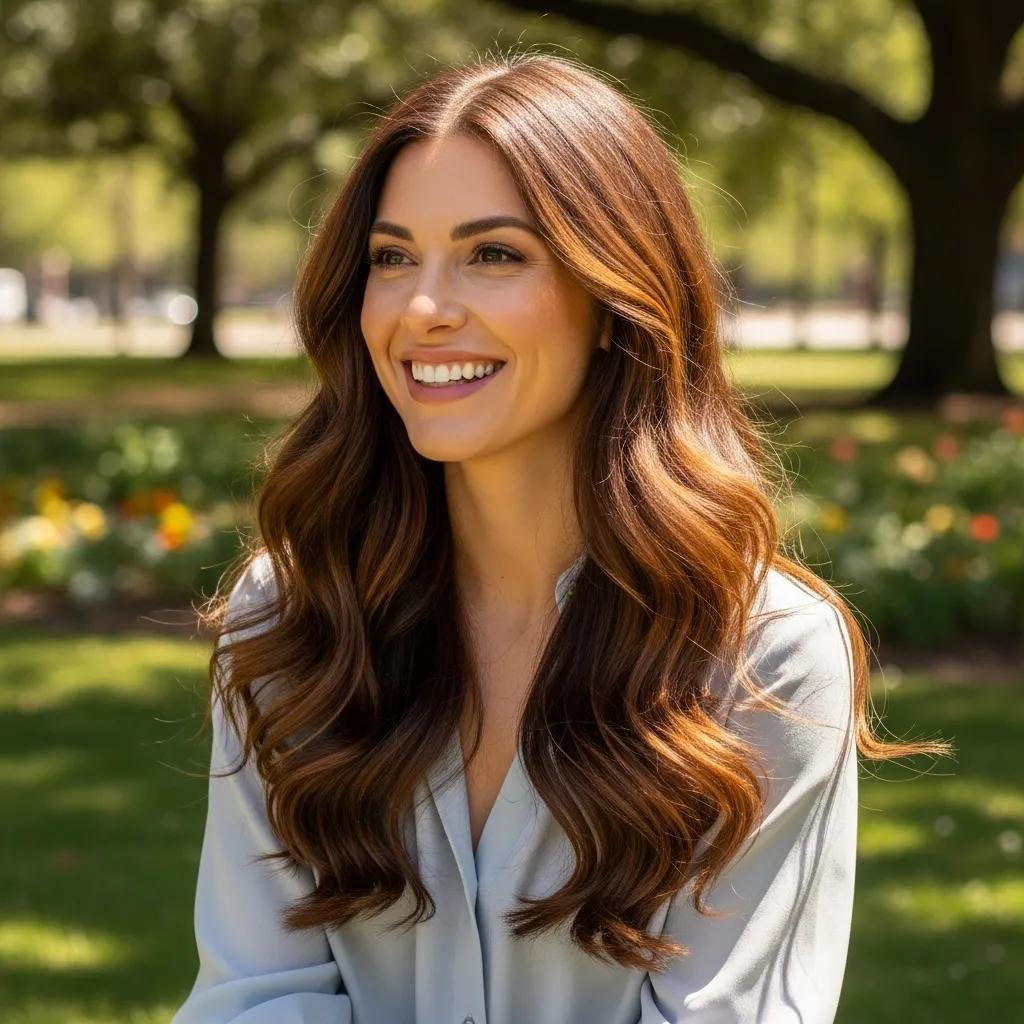
Heatless curls are styling methods that reshape hair without applying direct heat—using tension or damp‑setting to reform hydrogen bonds and create waves or coils. Techniques like wrapping, twisting, or padding hold strands while they dry so the hair sets into a new pattern without the cuticle stress that heat causes. For long hair, these approaches reduce cumulative damage from frequent curling irons and help preserve color and moisture. Because longer lengths have more weight, once set correctly they often relax into softer, longer‑lasting waves. Interest in “long hair, no heat” routines has grown as people prioritize hair health and low‑maintenance styling—so learning how these methods protect long hair is the best first step before trying them at home.
How Do Heatless Curls Protect Hair Health and Prevent Damage?
Heatless curls skip repeated high temperatures that open the cuticle, strip moisture, and weaken strands. By relying on damp‑setting or mechanical tension, these methods keep the hair’s natural oils and color molecules intact—important for chemically treated long hair that’s already fragile. Practically, swapping daily curling iron use for overnight silk‑rod sets or braids lowers thermal stress and can lengthen the time between trims, while still offering versatile looks. If you’re moving away from heat, start with gentler tension and hydrating products so your hair adapts comfortably. With that damage‑avoiding foundation, you can test the techniques that suit your length and texture.
What Benefits Do Heatless Curls Offer Compared to Heat Styling?
Heatless curls give several advantages over hot tools: better long‑term hair health, a variety of textures, and often superior multi‑day wear with minimal daily fuss. They reduce heat‑related protein damage and cuticle roughening, which preserves shine and reduces brittleness over time. Many no‑heat methods are budget‑friendly and travel‑ready—using household items like robe belts or socks—while delivering looks from loose beach waves to tighter ringlets. Knowing these benefits helps you choose a method based on the curl you want and your hair’s condition. Below we compare the most effective techniques for long hair.
In short, heatless curls make a strong case against thermal styling by offering:
- Reduced Breakage: Skipping direct heat lowers the chance of brittle strands and split ends.
- Longer‑Lasting Texture: Properly prepped heatless sets can keep shape for several days.
- Color and Moisture Preservation: Non‑thermal methods help maintain color vibrancy and hydration.
These benefits lead directly into the practical method comparisons below so you can pick what works best for your long hair.
Which Heatless Curling Methods Work Best for Long Hair?
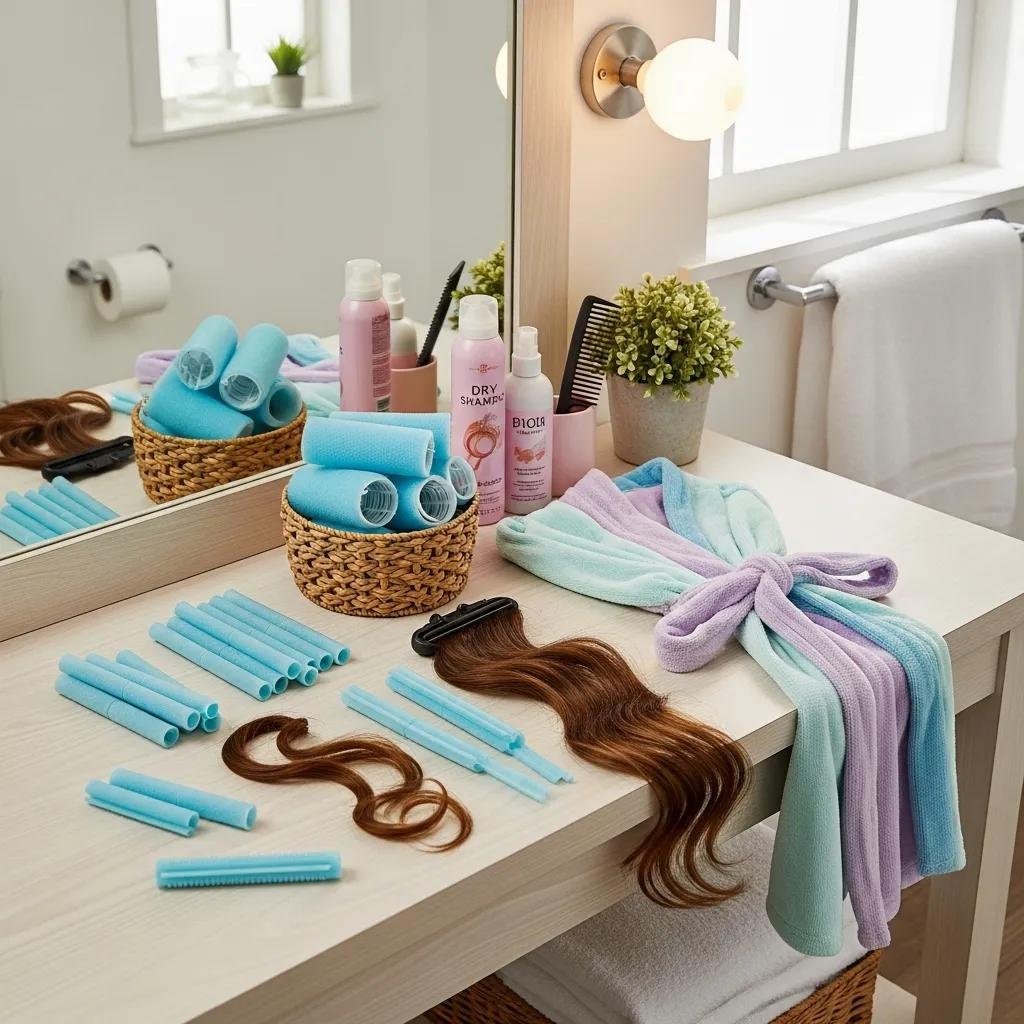
Long hair responds well to methods that manage length and weight while delivering either relaxed waves or more defined curls. The main categories are padded tools (silk rods, foam rollers), household‑item wraps (robe belts, socks), and braiding or headband techniques. Each method varies by section size, tension, and setting time, so choose based on your hair thickness, the curl you want, and how comfortable you need to be overnight.
Different heatless techniques suit different long‑hair goals and schedules; the table below highlights the tradeoffs.
This quick reference helps you match method to your hair and routine; the how‑to sections that follow walk through the top picks step‑by‑step.
How to Use Silk Rods and Foam Rollers for Heatless Curls
Silk rods and foam rollers give more structured curls by wrapping damp (or slightly damp) hair around a padded core. Start with freshly washed or evenly dampened hair, work a lightweight mousse or setting lotion through the lengths, and section hair into consistent widths—smaller for tight curls, larger for loose waves. Smooth each section around the rod, tuck or secure the end with a soft clip, and keep even tension so roots don’t puff or kink; with long hair, overlap and gently tuck excess length to avoid strain at the base. Sleep with a silk bonnet or use low‑pressure clips and remove only when hair is fully dry. Finish by separating curls with your fingers and a light flexible spray for hold.
What Are Effective Overnight Techniques: Robe Belt, Sock Curls, and Braids?
Overnight methods like robe‑belt wraps, sock curls, and braids are comfortable, low‑cost options for long hair and produce textures from soft waves to defined spirals. For a robe‑belt set, place the belt at the nape, wrap two sections around the belt with steady but gentle tension, and knot it on top so the bulk sits comfortably—this spreads weight and reduces pulling. Sock curls are made by rolling lengths into a sock tube and tying the ends; they’re great when you want tighter spirals. Braids—single, double, or multiple—are the simplest: dampen hair slightly, apply light mousse, and braid sections tightly or loosely depending on the wave you want. Prioritize comfort and even tension so you avoid creases or breakage while you sleep.
These overnight options lead directly into maintenance tips that help curls last and refresh between washes.
How Can You Maintain and Enhance Heatless Curls on Long Hair?
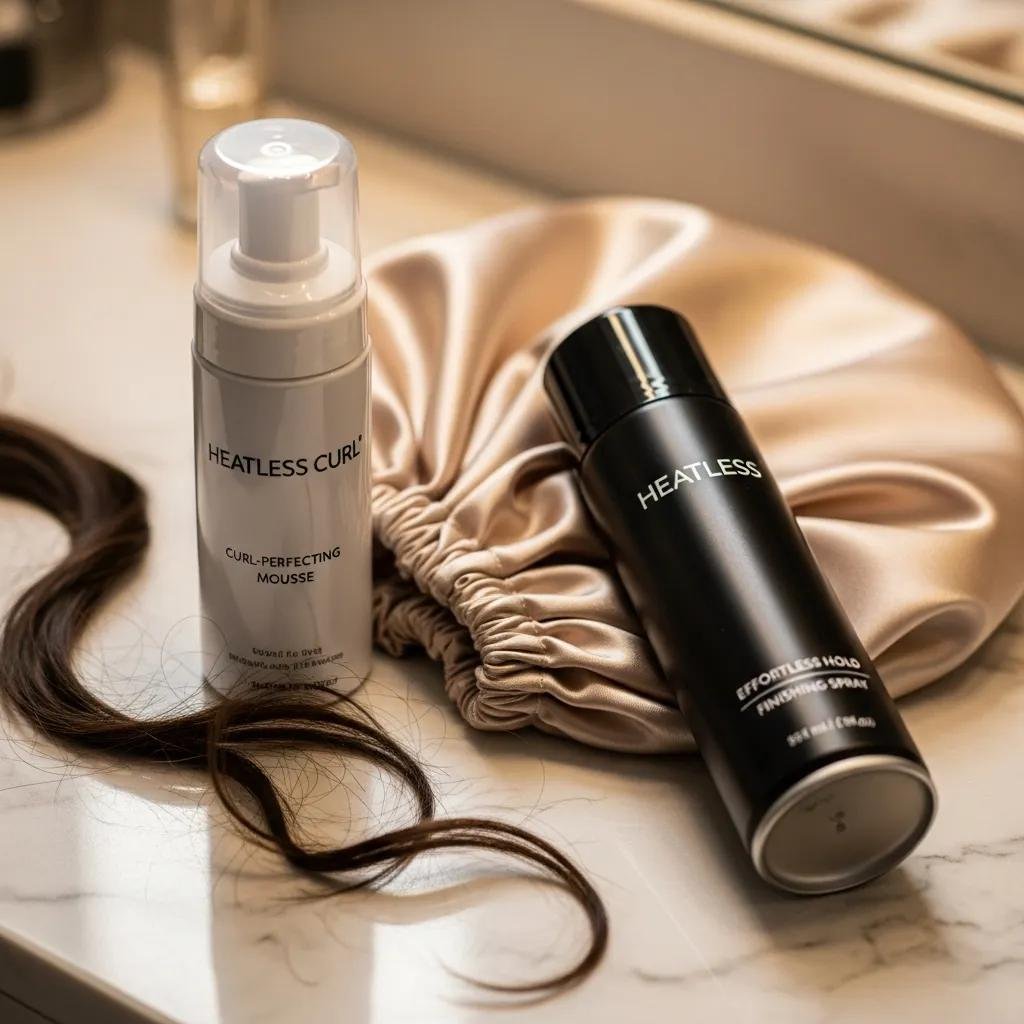
Keeping heatless curls looking fresh comes down to product choice, night care, and gentle refresh routines that respect long hair’s weight and porosity. Use lightweight mousses or setting lotions before setting to build structure, finish with flexible‑hold sprays to lock shape without stiffness, and apply oils sparingly to mid‑lengths and ends for shine without weighing down fine hair. Nighttime protection—silk bonnets, silk pillowcases, or a loose “pineapple”—reduces friction and helps curls hold. The product table below maps common types to purpose, hold level, and the hair types they suit best to make choosing easier.
What Products Improve Curl Hold and Hair Health: Mousses, Sprays, and Oils
Right‑sized product choices before and after setting are key to defined, long‑lasting heatless curls without buildup. Start with a water‑based mousse worked through damp hair to create a light scaffold—focus on mid‑lengths to ends and avoid overloading the roots. After you remove rods or unwrap, refine the shape with a flexible, alcohol‑free spray to tame flyaways and protect moisture. Finish with a drop or two of lightweight oil on the ends if your hair is dry or porous—apply sparingly to keep movement. These steps give definition with minimal residue and tie into how you protect curls overnight.
The next section covers tweaks for thick, fine, and layered long hair so every texture gets the right support.
How to Care for Different Hair Types: Thick, Fine, and Layered Long Hair
Long hair textures call for tailored sectioning and product amounts to avoid over‑ or under‑setting curls. For thick hair, use smaller sections and a stronger‑hold mousse or multiple smaller rods so the center dries and sets fully; thicker hair often needs longer setting times. Fine hair benefits from larger sections, very light oiling, and modest mousse to prevent weight; try smaller sections near the crown for added lift. Layered hair works well with mixed methods—rods or sock curls on longer lengths and braids or headband wraps for shorter layers—to blend the finish. These small adjustments balance tension, product, and sectioning so long hair of any type holds and moves naturally.
With maintenance and product choices covered, the guide moves into troubleshooting and strategies to extend curl life.
How to Achieve Long-Lasting Heatless Curls: Tips and Troubleshooting
Longevity hinges on prep, product strategy, and fixing common pitfalls like humidity, inconsistent tension, or damp spots at removal. Key tips: make sure hair is fully dry before removing sets, use humidity‑resistant finishing sprays in damp climates, and create root lift with gentle backcombing or targeted pinning when setting. The troubleshooting table below pairs frequent problems with causes and clear fixes so you can scan and act quickly. After the table we cover quick remedies and dry‑hair prep you can use immediately.
Use this troubleshooting table to diagnose common set issues and apply fast, non‑destructive fixes.
This quick map helps you troubleshoot without reaching for heat; the sections below expand on targeted fixes and prepping dry hair.
What Are Common Challenges and How to Fix Them?
Typical issues—flat roots, frizz, and mismatched curl sizes—have simple, non‑destructive solutions. For flat roots, mist the root area with water or a texturizing spray, then clip small root sections until dry to create lift; avoid heavy products at the root. To tame frizz, smooth a couple drops of lightweight oil onto the ends and use a flexible‑hold spray formulated for humidity to seal the cuticle. For uneven curls, re‑wrap problem sections on foam rollers or rods with consistent tension and section width, and let them dry fully. These targeted fixes keep long hair healthy while refreshing curl shape without heat.
Next, we’ll look at whether dry‑hair methods work and how to prepare hair for any heatless approach.
Can Heatless Curls Be Done on Dry Hair and How to Prepare Hair Properly?
Yes—many heatless curls work on dry hair, but the approach and products change: dry methods rely on product priming and mechanical tension instead of moisture‑driven hydrogen‑bond reforming. For dry setups, use a light texturizing spray or dry styling mousse to add grip, and work in smaller sections with consistent tension; dry rod wraps and braids often need longer setting times or overnight wear. For damp methods, towel‑blot or spritz hair to an even dampness, then apply a water‑based mousse before wrapping; that balance helps hair reset more predictably. Proper prep—clean hair without heavy buildup, the right product amounts, and even sectioning—means whether you set dry or damp, your curls will last and need fewer touch‑ups.
Good preparation prevents most common problems and naturally leads to professional options for personalized help.
Where to Get Professional Heatless Curl Styling and Consultations in Bethesda, MD
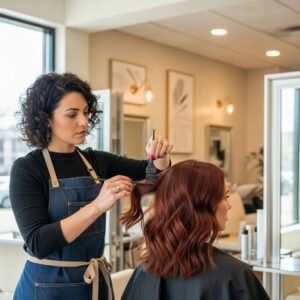
A professional consultation speeds results by identifying the best heatless techniques for your long hair, recommending product pairings, and demonstrating methods that fit your sleep routine. Local stylists can assess porosity, layering, and length and suggest precise sectioning, tension, and product protocols—especially useful for color‑treated or chemically processed hair. Kylie Studio Salon in Bethesda offers haircuts, highlights, keratin treatments, blowouts, and perms, plus consultative styling to help clients adopt repeatable heatless routines that protect hair health. If you want a customized heatless styling plan or an in‑salon demo, book a consult with our stylist Ruth to discover the at‑home workflow and product choices that work for you.
Booking a consult is simple and turns home techniques into salon‑grade results.
What Services Does Kylie Studio Salon Offer for Heatless Styling?
Kylie Studio Salon supports heatless styling with services that improve manageability and hair health—haircuts to remove damaged ends, color services that protect integrity, keratin treatments to smooth porosity, and blowouts that demonstrate finished looks and teach technique. These in‑salon options stabilize hair so heatless methods set more predictably and last longer, especially when combined with hands‑on guidance. During a styling consult, the stylist assesses density, porosity, and layering, shows targeted wrapping or braiding techniques, and recommends the exact products to use at home. This practical approach connects salon expertise with everyday routines.
How to Book a Heatless Styling Consultation with Expert Stylist Ruth
To get the most from a consultation with Ruth at Kylie Studio Salon, bring photos of your current hair and reference styles, note your regular routine and any chemical services, and arrive with dry, detangled hair so she can assess natural fall and texture. The appointment typically includes an evaluation, a tailored plan for heatless methods suited to your length and layers, and product recommendations for home. The salon accepts online bookings and phone appointments—confirming the address and contact details ahead of time helps you arrive prepared. A focused consult leaves you with hands‑on instruction and a clear, repeatable at‑home routine.
This in‑salon guidance complements the practical tips above and offers a reliable path to mastering heatless curls for long hair.
Frequently Asked Questions
Can heatless curls be achieved on different hair types?
Yes—heatless curls work on thick, fine, and layered hair. Each type just needs a slightly different approach: thick hair benefits from smaller sections and stronger‑hold products; fine hair does better with larger sections and lighter products so it doesn’t get weighed down; layered hair often needs a mix of methods to blend shorter pieces with longer lengths. Tailoring technique and product to your hair type is the key to consistent results.
How long do heatless curls typically last?
Heatless curls can last from a day to several days depending on hair type, humidity, and the products you use. Proper preparation—using the right styling products and ensuring hair is fully dry before removing curlers—greatly improves longevity. Protective nighttime routines and light refresher sprays will also extend the life of your style.
What are the best products to use for heatless curls?
Start with a lightweight, water‑based mousse or setting lotion for structure, then use a flexible‑hold spray to preserve shape without stiffness. Finish with a small amount of lightweight oil on the ends if your hair is dry or porous. Avoid heavy creams that can flatten curls—choose formulas matched to your hair’s thickness and desired hold.
How can I refresh my heatless curls after a few days?
Refresh curls by lightly misting with water or a curl‑refresh spray to rehydrate the pattern, then reshape with your fingers—avoid brushing. Add a touch of lightweight styling cream or mousse to redefine where needed. For volume, gently backcomb at the roots or use a texturizing spray to lift the crown.
Are there any specific techniques for maintaining curls overnight?
Yes—overnight protection matters. Use a silk or satin pillowcase to reduce friction, or loosely gather hair into a “pineapple” with a soft scrunchie to avoid creasing. Wearing a silk bonnet or scarf also protects curls while you sleep. Any of these methods will help keep curl definition and reduce damage.
What should I do if my heatless curls fall flat?
If curls fall flat, first check that hair was fully dry when you removed the set—damp spots lead to limp results. You can re‑wrap sections for a few hours, use a low‑heat touch‑up if necessary, or apply a light texturizing spray or mousse to add body. Reassess products to ensure they give enough hold without extra weight.
Conclusion
Heatless curls give you beautiful, healthier styling options by minimizing damage and preserving moisture. With a range of techniques—from silk rods to braids and simple household wraps—you can find an approach that fits your long hair and lifestyle. For personalized tips and hands‑on guidance, book a consultation at Kylie Studio Salon so we can tailor a heatless routine to your hair. Ready to start your healthier, more effortless curl journey?