Top Hair Products for Asian Hair Types: A Practical Guide to Choosing the Best Shampoo, Conditioner, and Routines
Asian hair covers a wide range of textures and scalp behaviors, and each combination responds differently to ingredients and styling. This guide walks you through the hair’s structural traits and maps those traits to product categories—shampoos, conditioners, masks, and styling serums—so you can choose what actually works. We highlight the actives you’ll see most often (keratin, camellia oil, rice water, ceramides) and explain which ones solve common problems like oily roots, dry ends, frizz, and loss of volume. Expect clear rules for picking an Asian-hair shampoo and conditioner, simple daily and weekly routines, and a comparison of Korean vs. Japanese product approaches. We’ve also included quick comparison tables and practical checklists, plus a note about how Kylie Studio Salon in Bethesda, MD can pair professional treatments with at-home care. Start with structure and concerns, then move into product matchups so you can put these rules to work immediately.
What Are the Unique Characteristics and Common Concerns of Asian Hair?
Many people with Asian hair have rounder hair shafts, a thicker cuticle layer, and a range of fiber density. Those features often create strong, naturally glossy hair—but they also change how products behave. A thicker cuticle reflects light well but, when damaged, can block moisture from entering. That’s why smoothing and repair-focused ingredients are commonly needed. Typical concerns include oily roots with dry ends, persistent frizz in humidity, and trouble keeping volume in finer strands. Knowing how structure affects product performance makes it easier to choose the right shampoo, conditioner, and treatments for your hair.
Three consistent traits we see, and what they mean for care:
- Cuticle strength: A thicker cuticle gives shine but benefits from smoothing agents to tame frizz.
- Sebum distribution: Oily roots and drier ends are common—so targeted cleansing is often the best approach.
- Shaft diameter range: Hair can be fine or coarse; that determines whether you need lightweight or richer formulas.
These traits explain common complaints and point to ingredient-led solutions we’ll outline next.
How Does Asian Hair Structure Affect Product Selection?
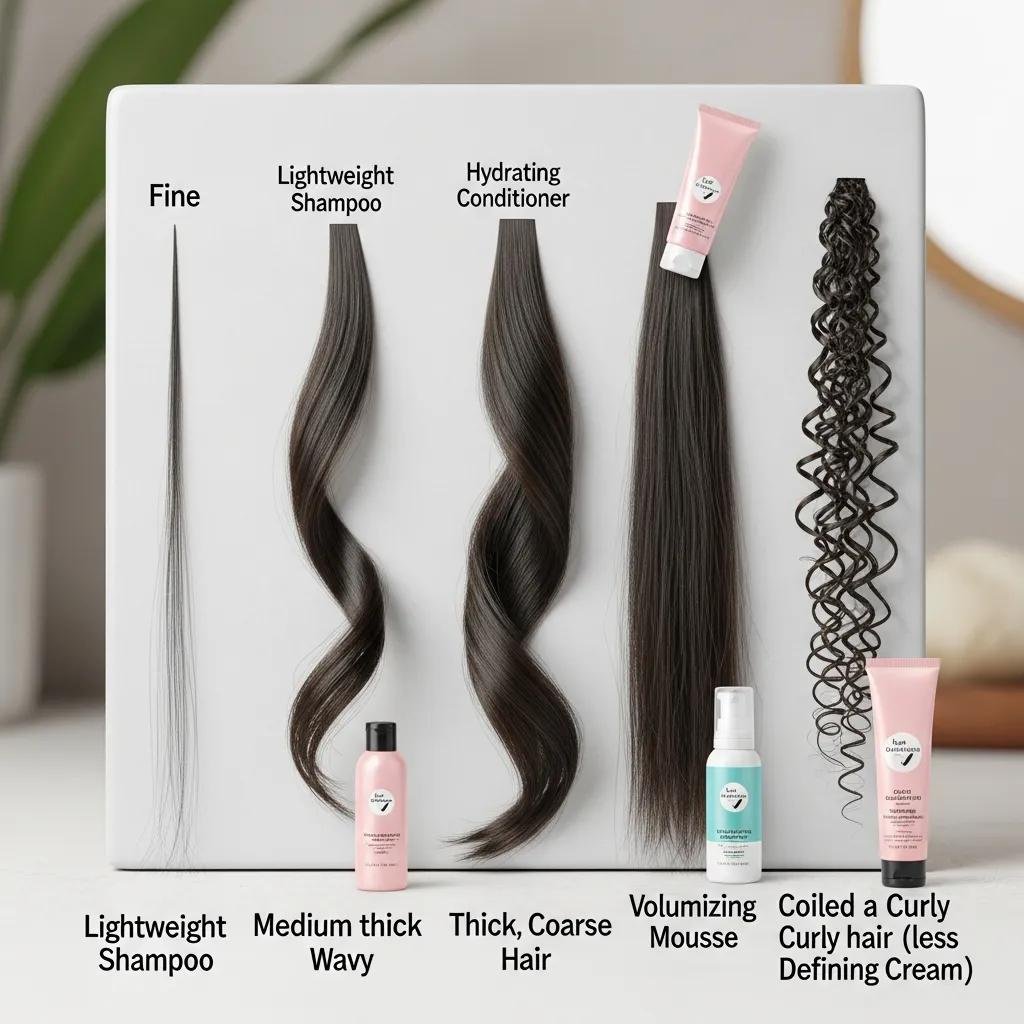
Because Asian hair often has a rounder, denser fiber, the same product that adds shine can weigh down finer strands if it’s too rich. Lightweight surfactants and humectants are usually best for fine hair—they remove excess sebum without stripping the cortex. Coarser or chemically treated hair benefits from emollient-rich formulas with keratin and ceramides for structural repair. Think in terms of ingredient → effect: keratin and peptides rebuild strength; camellia oil and esters smooth the cuticle for shine; salicylic acid and gentle clarifiers clear excess oil and buildup from the scalp. Match these effects to your shaft diameter and sebum profile when choosing a shampoo or conditioner.
Following these selection rules helps you balance hydration with weight, and leads naturally to specific product recommendations.
What Are Typical Hair Issues Like Frizz, Volume Loss, and Damage in Asian Hair?
Frizz usually comes from raised cuticles meeting humidity—so sealing agents and lightweight humectants that add slip without greasiness are the fix. Volume loss often results from heavy products or conditioning too close to the roots; fine hair responds better to root-lifters and density-boosting polymers than to oils. Damage from heat, color, or chemical services breaks keratin bonds; targeted repair products with hydrolyzed proteins, ceramides, and amino acids help rebuild strength while hydrators restore flexibility. The best results come from pairing anti-frizz smoothing, lightweight volumizers, and a careful balance of protein and moisture.
With those problem-solution pairs in mind, the next section matches shampoos and conditioners to common Asian hair profiles.
Which Shampoos and Conditioners Are Best Suited for Different Asian Hair Types?
Choose products by the role they play for your scalp and lengths: clean the scalp, hydrate the mid-lengths and ends, and repair damaged fibers. For shampoo, pick clarifying or scalp-balancing formulas if your roots get oily; choose sulfate-free, hydrating cleansers if your strands are dry or color-treated. For conditioners, lightweight rinse-outs and leave-ins work well for fine or frizzy hair, while deep masks and protein-rich conditioners rebuild structure for thick or chemically treated hair. The quick table below compares product archetypes, the hair profiles they suit best, and the key actives to look for.
Quick comparison to help match shampoos and conditioners to common concerns.
What Are the Top Shampoos for Oily Scalp and Dry Ends in Asian Hair?
If you have oily roots and dry ends, zone-specific care works best: use a clarifying or scalp-focused shampoo at the roots and a lightweight conditioner from mid-length to ends. Clarifying options with scalp-friendly acids or sebum-regulating botanicals clear oil and buildup without over-drying mid-lengths when used properly. Alternating with a gentle sulfate-free, hydrating shampoo or co-washing can help maintain moisture. Apply shampoo to the scalp with a gentle massage, rinse fully, and keep conditioner away from the roots to preserve volume while nourishing the ends.
Which Conditioners Provide Optimal Hydration and Repair for Asian Hair?
Be strategic with conditioners: choose lightweight rinse-outs for fine hair, leave-ins for smoothing frizz, and weekly deep masks for thick or color-treated hair. Repair-focused conditioners with keratin, peptides, or ceramides restore tensile strength and help seal the cuticle, while glycerin and hyaluronic-like binders attract and retain moisture. Match product type to frequency: daily leave-ins or light rinses, weekly masks for structural repair, and occasional protein treatments if you notice increased breakage. The goal is to balance protein and moisture so fine strands aren’t overloaded and coarser hair gets enough repair.
Next, we’ll look at how Kylie Studio Salon stylists can pair these home products with in-salon services.
How Do Korean and Japanese Hair Products Enhance Asian Hair Care?
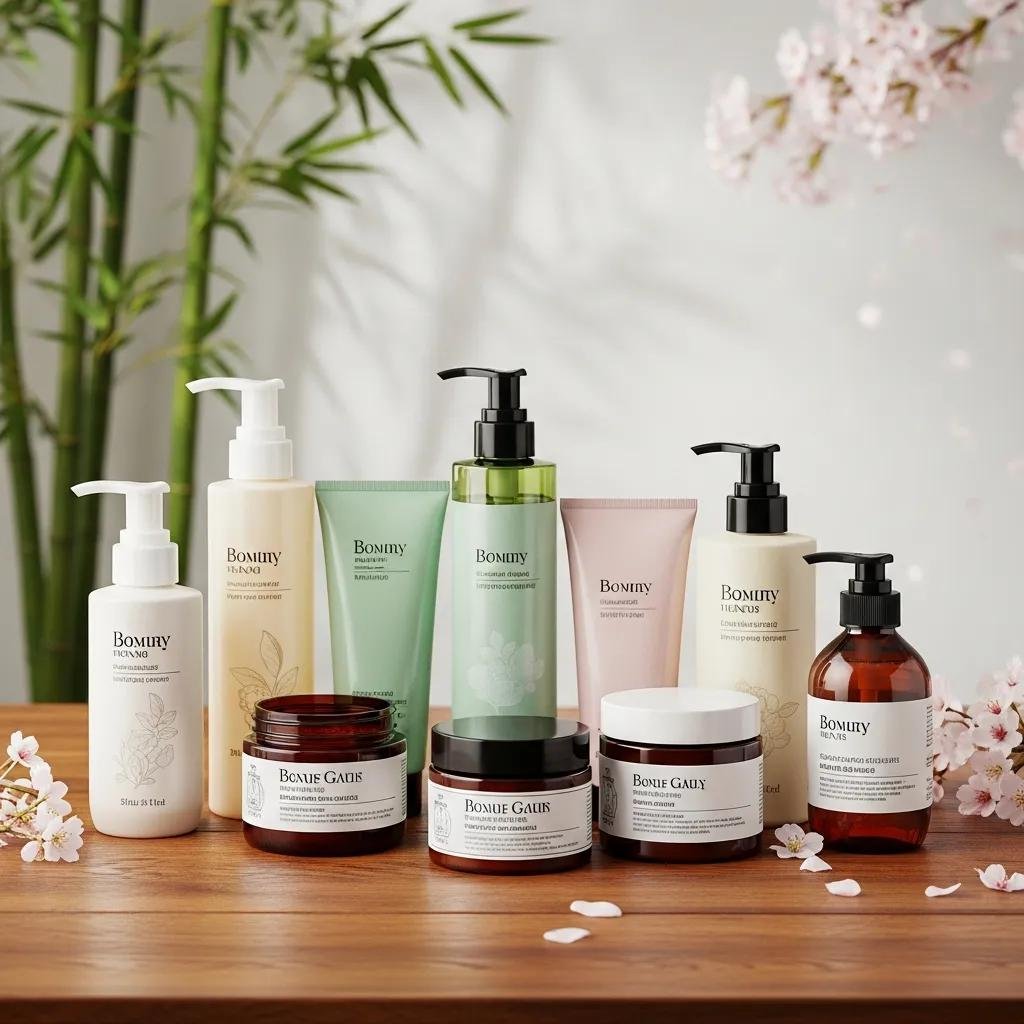
Korean hair care focuses on a scalp-first routine and lightweight, hydrating formulas for daily maintenance—perfect for keeping the scalp balanced and avoiding buildup. Ingredients like rice water, ginseng, and fermented botanicals support circulation, hydration, and gentle strengthening without heaviness. Japanese hair care often emphasizes concentrated repair, structural strengthening, and high shine—think camellia oil, concentrated proteins, and emulsifiers that smooth the cuticle and boost gloss. Use Korean-style products for preventive, scalp-focused maintenance and Japanese-style products when you need deeper repair or a high-gloss finish.
Below are short profiles that summarize these different approaches and their ingredient benefits.
What Are the Key Ingredients and Benefits of Korean Hair Products for Asian Hair?
Korean products often feature rice water, ginseng, fermented botanicals, and lightweight humectants designed to support scalp health, hydration, and gentle strengthening. Rice water supplies amino acids and inositol that can improve elasticity and surface smoothness; ginseng supports scalp circulation and follicle health. Fermented ingredients increase the bioavailability of actives, creating lightweight, high-absorption formulas suited to daily use. A typical Korean-style routine—gentle scalp cleanse, lightweight conditioner, periodic scalp treatment—keeps balance and helps prevent the oily-root/dry-end mismatch from worsening.
These scalp-first benefits contrast with Japanese treatments that emphasize structural repair and shine.
How Do Japanese Hair Care Products Promote Shine and Strength?
Japanese formulations typically include camellia oil and higher concentrations of hydrolyzed proteins to smooth the cuticle and reinforce internal structure, producing lasting shine and resilience. Camellia oil penetrates and smooths the outer layer for improved light reflection, while proteins and structured repair agents bind to the shaft to recover mechanical strength. These products are particularly useful after chemical or heat services—recommended as structured repair sessions followed by maintenance to avoid protein overload and preserve elasticity while maximizing gloss.
What Are Effective Hair Care Routines and Styling Products for Asian Hair?
An effective routine blends scalp care, targeted conditioning, and protective styling: wash according to sebum levels, condition mid-lengths to ends, use leave-ins or serums for frizz control, and always apply heat protection before styling. Daily basics: choose shampoo frequency that matches your scalp (every other day for oily scalps, 2–3 times weekly for normal/dry) and apply conditioner where your hair needs it to keep root volume. Weekly: add one deep treatment or mask for damaged or thick hair and a light protein touch for weakened fibers. When selecting styling products, weigh control versus weight—root-lifters at the scalp and lightweight serums on lengths preserve volume without greasiness.
Below is a practical table to help decide when to use in-salon services versus at-home masks and treatments.
How to Build a Hair Care Routine Addressing Frizz, Volume, and Damage?
Start with your profile: fine-frizzy hair benefits from lightweight conditioning, regular clarifying, and root-lifting styling products; thick-dry hair needs weekly deep masks and richer conditioners; color-treated or damaged hair should alternate protein and moisture treatments and use restorative masks. A simple weekly template: daily gentle cleanse and leave-in protection, evening detangle and targeted oil on ends, and a weekend deep-mask or salon session as needed. Adjust for seasons—use more smoothing serums in humid months and more hydration in dry months. These templates create predictable improvements in frizz control, volume, and repair.
Which Styling Products Best Control Frizz and Add Volume to Asian Hair?
Pick styling products based on the specific result you want: frizz control, lift, heat protection, or texture. Use light anti-frizz serums and sprays on lengths; mousses or root-lifters at the scalp for volume. Anti-frizz serums with lightweight esters or silicone alternatives smooth the cuticle when used sparingly; volumizing mousses and salt sprays lift roots without heavy residue. Always use a thermal protectant with film-forming polymers before heat styling to shield the cortex. The table below gives quick how-to tips and expected results.
Those quick tips make it easier to choose styling categories that deliver specific results. The next section explains how professional services can enhance home care.
Kylie Studio Salon complements home routines with targeted services—deep conditioning, keratin smoothing, and gloss treatments—to boost the effects of your chosen products and speed recovery from damage. Combining in-salon treatments with a consistent at-home regimen gives longer-lasting shine and manageability while keeping product choices aligned with professional protocols.
Why Choose Kylie Studio Salon for Specialized Asian Hair Care and Product Recommendations in Bethesda, MD?
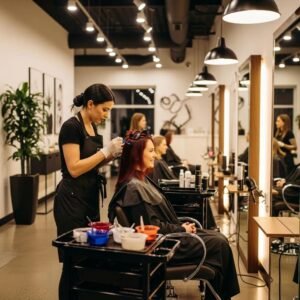
We’re here to connect you with practical, effective solutions for Asian hair. At Kylie Studio Salon we combine hands-on expertise with personalized product recommendations so your at-home routine and salon services work together. Our services include cuts, color, highlights, keratin treatments, perms, blowouts, deep conditioning, hair gloss, Brazilian blowouts, and organic waxing—using eco-friendly professional products when possible. Owner and stylist Ruth leads our team, delivering tailored consultations and treatment plans that complement your daily routine. If you want product-and-treatment pairing built for your hair, book a consultation and we’ll design a plan that targets lasting hair health and style.
How Does Kylie Studio Salon Personalize Treatments for Asian Hair Needs?
We start with a consultative assessment of scalp condition, shaft diameter, past chemical services, and styling goals. That visual and tactile evaluation, plus a discussion of your routine and tools, lets us recommend a combined in-salon and at-home plan—like pairing a keratin smoothing service with a lightweight leave-in and a targeted protein mask to address frizz and breakage. Our stylists show product pairings and application techniques so your home care reinforces salon results. This focused approach reduces guesswork and speeds measurable improvements in manageability and shine.
What Are the Benefits of Booking Professional Consultations and Services for Asian Hair?
Professional consultations offer clear advantages: accurate product matching from a trained stylist, in-salon treatments that penetrate and repair more effectively than many at-home options, and a maintenance plan that adapts to seasonal and service-related changes. Clients who follow combined in-salon and at-home regimens typically see better manageability, less frizz, longer-lasting color and gloss, and fewer split ends.
- Precise product matching: Save time and avoid wasted purchases while getting better results faster.
- Targeted in-salon repair: Professional keratin and bond-building treatments restore strength more predictably.
- Long-term maintenance plan: Ongoing guidance prevents regression and keeps hair healthy longer.
- Assess: Book a consultation so we can evaluate your scalp and hair structure with a trained stylist.
- Pair: Get a recommended product-and-treatment pairing for home use and salon follow-up.
- Maintain: Follow a simple maintenance schedule to preserve results and optimize product performance.
Follow these steps alongside the product selection and routine guidance above to achieve shinier, stronger, and more manageable hair tailored to Asian hair types.
Frequently Asked Questions
What ingredients should I avoid in hair products for Asian hair?
Avoid harsh sulfates that can strip natural oils, heavy silicones that weigh down fine hair, and parabens if you have a sensitive scalp. Instead, look for sulfate-free, lightweight formulas that hydrate without flattening volume or masking shine.
How often should I wash my Asian hair?
Wash frequency depends on your scalp. If your scalp gets oily, washing every other day often helps. If your hair is normal to dry, 2–3 times per week usually preserves moisture. Pay attention to how your hair feels and adjust for seasonal changes and styling habits.
Can I use the same products for different Asian hair types?
Some products work across hair types, but it’s better to tailor choices to specific needs. Fine hair needs lighter formulas to keep lift; thick or coarse hair benefits from richer, more hydrating products. Always match products to concerns like frizz, damage, and scalp health.
What is the best way to apply conditioner for Asian hair?
Apply conditioner mainly to mid-lengths and ends, avoiding the scalp to prevent greasiness. Work it through evenly, leave it on a few minutes for absorption, then rinse with cooler water to help close the cuticle and enhance shine. This keeps root volume while hydrating the parts that need it most.
How can I protect my Asian hair from heat damage?
Always use a thermal protectant spray before heat styling. Choose lightweight formulations with protective polymers, lower your tool temperature when possible, and limit frequent hot styling. Regular deep conditioning also helps maintain moisture and resilience.
What are the benefits of using a hair mask for Asian hair?
Hair masks deliver intensive hydration and repair that regular conditioners can’t match. Weekly masks improve moisture, elasticity, and shine—especially important for thick, dry, or chemically treated hair. They’re a simple way to boost overall hair health between salon visits.
How do I choose the right styling products for my Asian hair type?
Identify your main styling need—frizz control, volume, or heat protection—then choose products that deliver that outcome without unnecessary weight. Fine hair responds well to lightweight serums and mousses; thicker hair can handle richer creams or oils. Read labels for key actives and pick products that align with your texture and styling goals.
Conclusion
Knowing the structural traits of Asian hair makes product selection predictable rather than experimental. Use the guidelines here to choose shampoos, conditioners, and treatments that target your specific concerns—frizz, damage, oily roots, or volume loss. For personalized recommendations, book a consultation at Kylie Studio Salon and let our stylists pair professional services with an at-home routine built for your hair. Small, consistent changes deliver noticeable, lasting results.