Korean Hair Trends You’ll Actually Wear: Cuts, Colors & Styles
Korean hair trends mix understated details with clear style — think movement, face-framing, and tonal color that reads modern but effortless. This guide breaks down the key cuts, bangs, color families, and perm techniques shaping modern K-beauty hair, and shows how to make those looks work for different faces, textures, and upkeep levels. You’ll learn to spot hush cuts, two-block variations, layered silhouettes, and the bangs everyone’s posting about, plus the color palettes—ash, beige, warm mocha, pastels—and perm options that add texture and stay wearable. We balance trend know‑how with practical styling and care tips so you can adapt K-style ideas to your hair porosity and daily routine. Finally, find curated combos and salon notes to help a stylist turn inspiration into a lasting, flattering result.
Think of Korean hair trends as visual tools: soft lines, smart texture choices, and color that flatters skin and simplifies everyday styling. When you understand the why—why curtain bangs slim a round face, or why ash‑beige looks like it’s part of the hair rather than painted on—you’ll choose options that suit your life long term. This guide links trends to maintenance levels and salon services, with clear comparisons that make decisions easier. Heading into a salon? Use these explanations to ask targeted questions about layers, root blends, and perm types so your stylist can deliver a personalized outcome. With up‑to‑date context and straightforward how‑tos, you’ll be able to translate K‑beauty cues into looks that fit your hair and your schedule.
What Are the Most Popular Korean Haircuts Right Now?
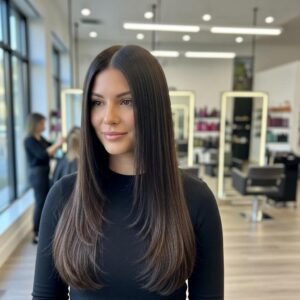
Current Korean haircut trends favor face‑framing shapes, natural movement, and a balance between precision and softness — styles that work from casual weekends to more polished moments. The common technique is selective weight removal or redistribution: hush‑style textured ends, two‑block undercuts, and soft internal layers create silhouettes that flatter without demanding hours of styling. Each cut brings practical benefits: the hush cut softens the hairline and blends bangs into layers for a fresh, youthful finish; two‑block cuts add crown lift and structure for textured looks; soft layered cuts add movement to fine hair and thin heavy hair without losing shape. Below is a quick overview of the top cuts and why they’re so wearable.
- Hush Cut: Feathered outer edges and relieved ends that frame the face and flow into curtain bangs.
- Two-Block Haircut: Tapered sides with a longer top for contrast, lift, and easy textured styling.
- Soft Layered Cut: Graduated layers that add movement and remove bulk while keeping a clean outline.
- Bob Variants: Chin‑length or lob options with subtle inward shaping for a neat, modern finish.
These styles range from structured to airy, and each pairs differently with bangs, color, and texture work—understanding those pairings helps you narrow down the right look.
How Does the Korean Hush Cut Define Modern Hairstyles?
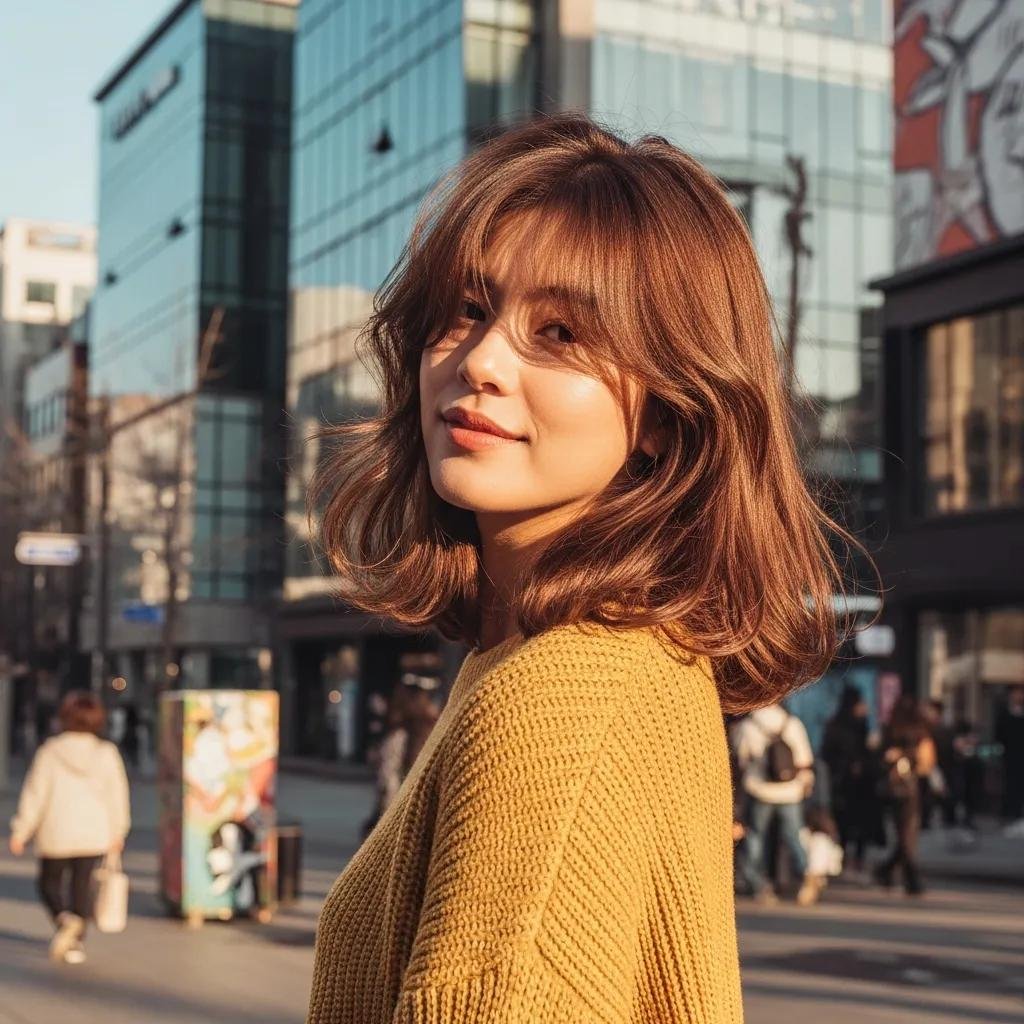
The hush cut is built on feathered ends, tapered weight, and a soft curtain that blends bangs into the perimeter for a lived‑in, soft finish. Stylists typically remove bulk with point cutting and texturizing shears so hair moves naturally whether you blow‑dry or air‑dry. Hush cuts are ideal if you want a low‑effort routine: the texture makes grow‑out look intentional and keeps shape between visits. It flatters oval and heart faces especially well and can be adjusted with longer face‑framing pieces for rounder shapes. If you want a modern update that stays wearable, ask for feathered ends and gentle graduation so the hush detail reads through as hair grows.
That soft‑texture philosophy naturally connects to layered techniques, which broaden the hush cut’s versatility across densities and styling goals.
What Makes Korean Layered Haircuts Stand Out?
Korean layered cuts stand out for smooth transitions between lengths: soft layers create lift while choppier internal layers add edge when desired. The approach often pairs long, face‑framing pieces with finer internal graduation to keep length but increase movement — especially useful for thick or coarse hair. Stylists usually recommend lightweight creams or sea‑salt sprays to highlight layers and avoid heavy silicones that flatten motion. For fine hair, subtle internal layers add perceived volume without losing shape; for thick hair, targeted thinning removes bulk while preserving the overall silhouette. Your layering choices will also affect how color and perms sit in the hair, so discuss texture goals during your consultation.
Use this quick comparison to match a cut to your face shape and lifestyle — it also sets up how to choose complementary bangs.
Which Korean Bangs Styles Are Trending This Year?
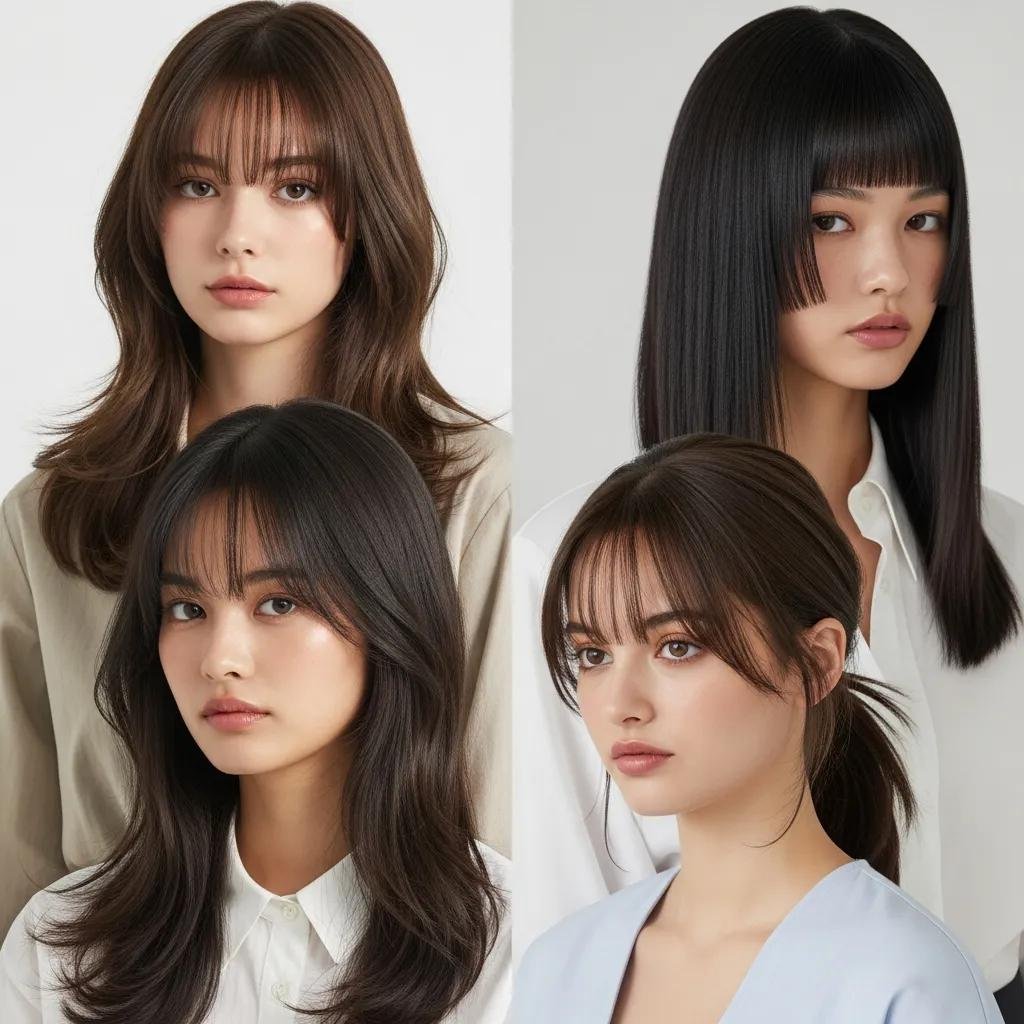
Trending Korean bangs focus on soft framing and translucency — coverage that suggests shape without harsh lines. The trick is weight distribution: see‑through bangs thin the fringe for airiness, curtain bangs open the face with a soft middle part, and blunt short fringes make a bold, fashion‑forward statement when you want it. Each style has a clear benefit: curtain bangs lengthen round faces, see‑through bangs reduce a prominent forehead, and wispy bangs lend a romantic, delicate finish. Here are the bangs we’re seeing most and when they work best.
- Curtain Bangs: A soft center part that frames cheekbones and adds vertical balance.
- See-Through Bangs: Sheer, airy fringe that lets the skin show through and brightens the face.
- Blunt Short Fringe: Solid, straight‑across fringe for a modern, confident look.
- Wispy Bangs: Layered, feathered fringe that reads soft and adaptable.
Picking the right bangs ties directly to face‑shape assessment and how much daily styling you want to commit to — we cover both next.
How to Choose the Right Korean Bang Style for Your Face Shape?
Match bangs to the vertical and horizontal balance of your face: curtain bangs create a central vertical line that slims round faces, while see‑through bangs lighten the forehead on longer faces. Ask yourself: do you want minimal daily styling or enjoy a bit of blow‑dry time? What’s your hair density and how often will you trim? For dense, coarse hair, longer curtain bangs with internal layering stop the fringe from looking heavy; for fine hair, see‑through or wispy bangs help preserve crown volume. A salon consult that includes face‑shape mapping and a quick porosity check will reveal the best fringe length and internal texturizing so growth stays flattering.
When shape compatibility is clear, the maintenance plan becomes realistic and easy to follow.
What Are the Styling Tips for Maintaining Korean Bangs?
Keeping Korean bangs looking fresh is about simple tools, consistent trims, and light product use so the fringe stays translucent and soft. Daily essentials: a small round brush for gentle root lift, a lightweight smoothing cream, and a low‑wattage dryer to set the curve without heat damage. Trim cadence: 4–6 weeks for wispy or blunt fringes, 6–8 weeks for longer curtain bangs to maintain the part. Between trips, a quick spritz of dry texturizer or a stylist’s targeted snip can refresh shape without changing the silhouette.
These easy maintenance steps keep bangs sustainable and flexible alongside length or color changes.
What Are the Latest K-Beauty Hair Color Trends?
Current K‑beauty color trends favor shades that look naturally soft up close but reveal subtle complexity in light — ash‑beige, muted mocha browns, and delicate pastels with smooth root blends. The key technique is tonal layering: colorists use lowlights and glosses rather than high‑contrast blocks, creating polished, camera‑ready finishes that age gracefully. Popular services include finely painted balayage, root‑blending to soften regrowth, and gloss treatments for shine and tone. Below are the dominant color families and why they’re winning now.
- Ash/Beige Tones: Cool, muted hues that cancel yellow undertones and give a satin finish.
- Brown Mocha Family: Warm‑to‑neutral browns with gentle depth for easy elegance.
- Pastel Accents: Soft pinks, lavenders, or beige‑blondes used as delicate surface tints.
- Warm Mocha & Caramel: Subtle warmth that brightens skin without stark contrast.
Knowing these options helps set realistic expectations for upkeep and the salon steps needed to reach the shade safely.
Kylie Studio Salon provides professional color services built around contemporary K‑beauty palettes, from color correction to maintenance packages that protect tone and hair health. Our process begins with a deep consultation—reviewing past color, porosity, and lifestyle—to recommend root blends, glosses, or staged lightening that extend vibrancy. Planning a big change or delicate pastel? A specialist consultation will outline sessions and aftercare to keep hair strong and color lasting.
Which Hair Colors Are Most Popular in Korean Fashion?
The most photographed colors in Korean fashion are cool ash‑beiges, muted mocha browns, and soft pastel highlights that look refined rather than flashy — tones that hold up under natural light. Colorists neutralize brass and layer lowlights to add dimension without flatness, so shades appear rich but easy to live with. Warm complexions benefit from mocha and caramel infusions for healthy radiance; cooler complexions pair well with ash‑beige toners to reduce yellowing. Achieving these looks safely means controlled lightening, careful toning, and clear guidance on maintenance and home care from your stylist.
These palette choices help you plan salon visits and at‑home routines so your color stays cohesive through the seasons.
How to Achieve and Maintain Vibrant Korean Hair Colors?
Long‑lasting K‑beauty color starts with a thoughtful salon plan and staged lightening to protect hair while building a clean tonal base. Techniques often include precise balayage strokes, low‑contrast root blends, and glossing to lock in tone and shine. At home, use sulfate‑free shampoo, a weekly color mask, and daily heat protection to minimize fade. Schedule gloss touch‑ups or demi‑tonal refreshes every 6–8 weeks based on porosity and sun/heat exposure. Pastels need more frequent refreshes and gentler washing; mocha and beige families generally ask for less frequent toning to keep depth and avoid brassiness.
These practical steps connect the salon process to everyday care — which is why many clients choose maintenance plans to protect their investment.
How Are Korean Perm Styles Revolutionizing Hair Texture?
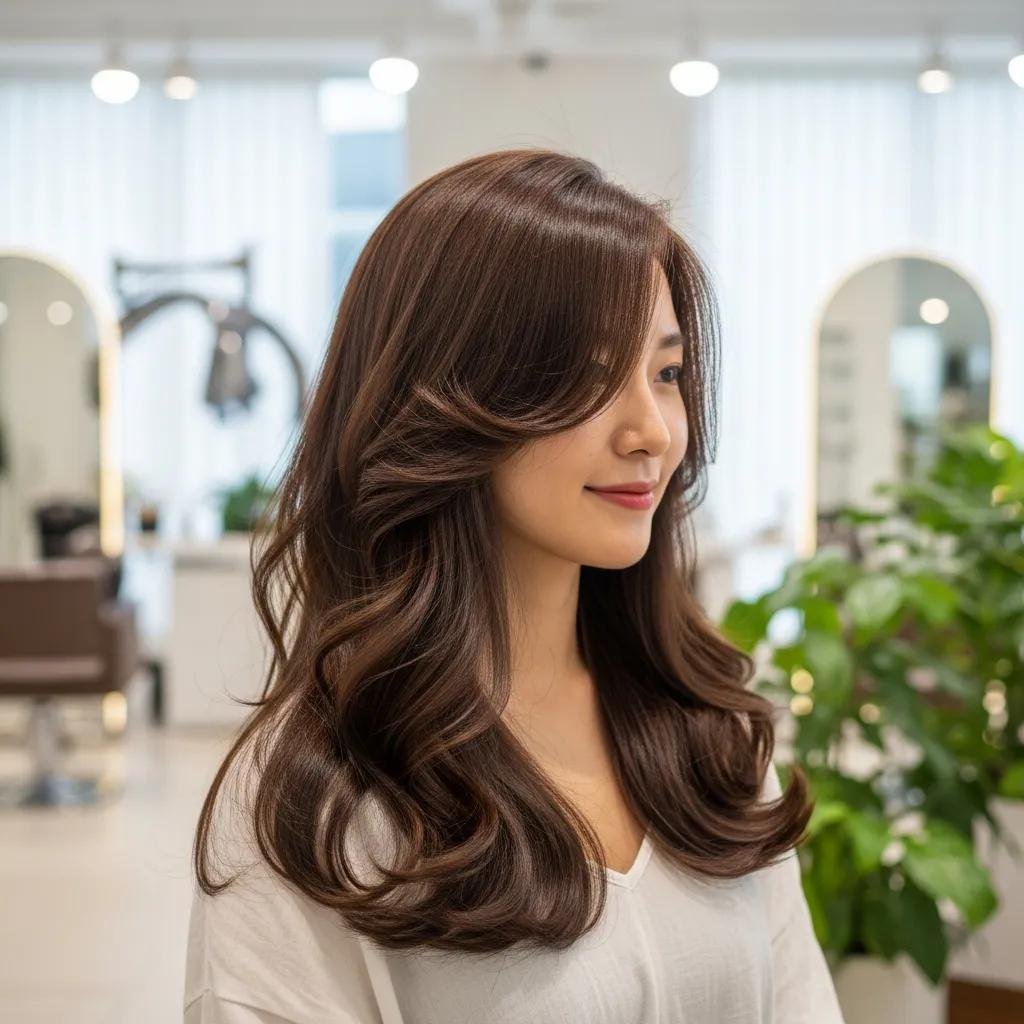
Modern Korean perms reinvent texture by favoring natural‑looking waves and flexible curls that read like healthy movement rather than tight, classic spirals. The method is controlled rod placement and heat modulation — digital perms use heat‑set rods for soft, lasting waves, while body wave and soft perms create looser formations to boost volume without overprocessing. The payoff: consistent texture that reduces daily heat styling and gives layered cuts added dimension. Below are the perm types shaping the trend and what each delivers.
- Digital Perm: Heat‑set waves that stay defined and soften at the ends for an easy, styled look.
- Body Wave Perm: Loose, all‑over waves that add volume and lift with a natural flow.
- Soft Perm: Gentle bends that enhance movement without obvious curl definition.
Knowing these differences helps you choose a perm that complements your cut and color while preserving hair health.
Kylie Studio Salon offers perm consultations and tailored techniques based on your hair’s condition, with pre‑perm assessments to reduce risk and recommend the best aftercare. We treat perms as a texture investment: styling education and follow‑up care maximize longevity and protect integrity. Curious about adding body to a hush cut or layers? A consultation will map the safest approach for your hair.
What Types of Korean Perms Are Trending?
Trending perm methods vary curl size and direction so texture looks natural whether air‑dried or heat‑styled. Digital perms use thermal rods for temperature‑set waves that reshape well with low heat; body waves rely on larger rods or flexible wraps to add fullness from root to tip. Soft perms are intentionally conservative, creating gentle bends with low tension—helpful for colored or fragile hair. Before perming, ensure a protein‑moisture balance and plan post‑service deep conditioning to restore resilience.
Choosing the right perm depends on desired wave size, chemical history, and how often you’ll restyle — details to review during a pre‑service evaluation.
How to Style and Care for Korean Permed Hair?
Styling permed hair is about preserving pattern and softness: use light leave‑ins, a diffuser on low heat, and avoid daily high‑temperature tools that flatten waves. Daily routine: scrunch with curl cream on damp hair, air‑dry when possible, and refresh with a light mist and styling lotion instead of re‑ironing. Professional check‑ins every 3–6 months can include reshaping and deep‑conditioning glosses to revive elasticity. Regular trims remove split ends that break curl rhythm and help the silhouette stay balanced with your cut and color.
Follow these care steps to keep permed hair looking intentionally textured, not over‑processed.
How to Combine Korean Haircuts, Colors, and Styles for a Trendy Look?
Great combinations align silhouette, tone, and movement so each element supports the others instead of competing. The rule is harmony: pick a color that suits the cut’s perceived weight and a texture that flatters the silhouette — for example, a hush cut with soft mocha and a light body perm softens features while adding natural movement. Match maintenance expectations across cut, color, and perm: a high‑maintenance pastel will mean more salon visits than a glazed mocha on a layered lob. Below are curated pairings with short reasoning to inspire cohesive choices.
- Hush Cut + Soft Mocha Color + Light Body Perm: Warm depth and subtle movement for a low‑contrast, effortless finish.
- Two-Block + Ash-Beige Highlights + Minimal Perm: Structural top volume with cool tones for textured styling that reads modern.
- Soft Layered Cut + Pastel Accents + No Perm: Layers showcase color placement while keeping daily styling simple.
- Bob Variant + Root-Blend + Subtle Gloss: A clean perimeter paired with low‑maintenance color and added shine.
Choosing one of these combos helps you set realistic upkeep and styling plans so the look stays cohesive over time. Below is a quick guide to adapt these ideas by hair type.
What Are the Best Combinations of Cuts and Colors in Korean Trends?
Here are curated pairings with why they work and what upkeep to expect:
- Hush Cut + Ash Beige: Soft framing with cool tones for a refined, modern finish; expect moderate toning.
- Two-Block + Warm Mocha: Structure meets warmth for subtle contrast; root blends make regrowth easy.
- Layered Cut + Pastel Highlights: Movement shows off color pops; plan for periodic pastel refreshes.
Kylie Studio Salon can build bespoke packages that combine consultation, cut, color, and styling to realize these looks while prioritizing hair health and realistic maintenance. Booking a customization consult lets your stylist map sessions to your hair’s condition and lifestyle so changes feel sustainable.
How to Adapt Korean Hair Trends to Different Hair Types?
Adapting trends starts with matching cut and texture choices to density and elasticity: fine hair benefits from subtle layers and strategic color placement to create dimension; thick hair often needs internal thinning and longer layers to avoid bulk. Curly and coily textures require reworked bangs and layering — fringes are usually longer and layered to accommodate shrinkage — and perm‑type services are often unnecessary because natural curl already provides pattern. Chemically treated hair calls for staged lightening and intensified conditioning to maintain strength. When unsure, consult a stylist for porosity testing and a phased plan that sequences color and texture services safely.
- Choose technique based on hair density and porosity to protect integrity.
- Prioritize consultation when combining color and perm services to avoid overlap.
- Opt for staged services if hair is previously processed to minimize damage.
These straightforward rules help translate K‑beauty inspiration into realistic steps tailored to your hair.
- Book a personalization consultation to sequence services safely and effectively.
- Follow professional aftercare to maintain tone and texture between visits.
- Share your lifestyle constraints so we can set realistic maintenance intervals.
These final tips make committing to a trend easier while keeping upkeep manageable and predictable.
Frequently Asked Questions
What should I consider before choosing a Korean haircut?
Think about your face shape, hair type, and daily routine. Different cuts — hush, two‑block, layered styles — flatter specific faces and textures, and some need more upkeep than others. Consider how much time you’ll spend styling and how often you want trims. A stylist consultation will help match a cut to your goals and lifestyle.
How can I maintain the vibrancy of my Korean hair color?
Use sulfate‑free shampoo and color‑safe conditioner, and schedule gloss treatments every 6–8 weeks to refresh tone and shine. Minimize heat, use heat protectant when needed, and follow your stylist’s product recommendations. Pastels require more frequent touch‑ups; mocha and beige families usually need less maintenance.
Are there specific products recommended for Korean perm care?
Yes — choose lightweight leave‑in conditioners and curl creams that define waves without weighing them down. Avoid heavy buildup‑forming products, and use a diffuser when blow‑drying to preserve pattern. Regular deep conditioning after perming keeps hair hydrated and resilient.
How often should I get trims for my Korean hairstyle?
Trim frequency depends on the cut and how quickly your hair grows. Generally, hush and layered cuts benefit from trims every 6–8 weeks to hold shape and remove split ends. Bangs usually need trimming every 4–6 weeks to stay fresh. Regular trims also keep hair healthier overall.
Can I achieve Korean hair trends with naturally curly hair?
Absolutely. Many K‑beauty looks translate to curly textures with the right adjustments. Layers can shape curls and bangs can be adapted to work with shrinkage. Work with a stylist experienced with curls to choose cuts and products that celebrate your natural pattern without compromising health.
What are the best ways to style Korean bangs at home?
Use a round brush and a low‑wattage dryer to create a soft bend and root lift. For curtain bangs, part in the center and gently curl the ends under. Lightweight styling cream or mousse adds texture without stiffness. If bangs lose their shape, a quick touch‑up with a flat iron can help until your next trim.
Related Hair Services in Bethesda
Some trend elements can be adapted through a layered haircut and blow-dry, women’s perm, custom hair color, or balayage. Bring reference photos to a consultation so the final plan fits your hair and maintenance preferences.
Conclusion
Korean hair trends offer modern, wearable ways to update your look through thoughtful cuts, colors, and textures. By understanding details like the hush cut, layered approaches, and current bangs, you can choose a style that flatters your features and fits your life. Ready to transform your hair? Book a consultation to explore tailored options and create a plan that balances impact with upkeep. Bring K‑beauty inspiration to life with a look that feels like you.