Keratin Treatments for Silky, Frizz-Free Hair at Kylie Studio Salon
Many people in humid climates struggle with frizzy, unmanageable hair that resists styling and dulls quickly, and a keratin treatment offers a predictable way to smooth the hair cuticle and reduce moisture-driven frizz. This article explains what a keratin treatment is, how keratin smooths hair at the cuticle level, and which measurable benefits to expect — including frizz control, enhanced shine, improved manageability, and potential strengthening — with clear guidance tailored to Bethesda’s climate. You will learn the salon process, realistic duration expectations, how to choose among product variants such as formaldehyde-free options, and practical aftercare steps like sulfate-free routines and heat-protection strategies that preserve results. The guide also compares keratin treatments with related hyponyms such as Brazilian Blowout and outlines when each is appropriate, plus a focused section on how Kylie Studio Salon in Bethesda delivers expert, personalized keratin services through experienced stylist Ruth to help local clients decide and book. By the end you’ll have the decision framework, immediate post-treatment actions, and local booking pathways needed to move from information to appointment with confidence.
What Is a Keratin Treatment and How Does It Smooth Hair?
A keratin treatment is a professional hair smoothing service that applies a keratin-rich formula to coat and temporarily seal the hair cuticle, reducing surface irregularities and limiting moisture ingress. The treatment functions by filling porous areas of the hair shaft with protein and then using heat to bind the coating, which flattens the cuticle and creates a smoother surface that reflects light more evenly. This mechanism produces immediate visual improvements in shine and tangling while delivering measurable reductions in frizz and styling time. Understanding that keratin treatments are a category of hair smoothing treatments helps set realistic expectations for results and required maintenance between salon visits.
How Does Keratin Work to Reduce Frizz and Enhance Shine?
Keratin reduces frizz by forming a continuous protein layer over the hair’s outermost layer, the cuticle, which limits moisture exchange and stabilizes the shaft against humidity-induced swelling. As the cuticle lays flatter after treatment, incoming light reflects more uniformly, producing a noticeable increase in shine and perceived smoothness. This protein infusion addresses meronyms of the treatment process—consultation, shampoo/wash, keratin application, blow-dry, flat-ironing, and aftercare—to ensure the coating adheres correctly for optimal optical and mechanical benefits. The next step is to describe the actual salon process so readers can see how these mechanisms translate into a step-by-step service.
What Is the Keratin Treatment Process at Kylie Studio Salon?
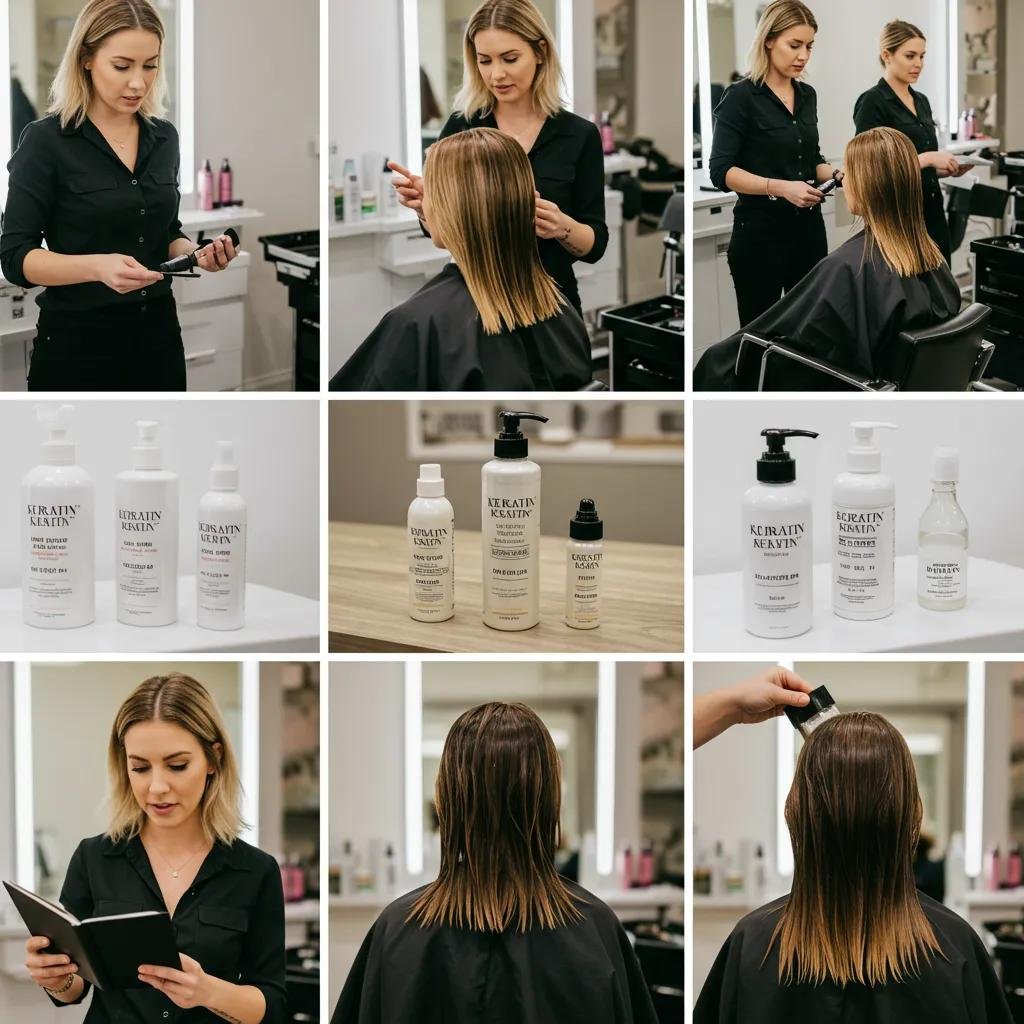
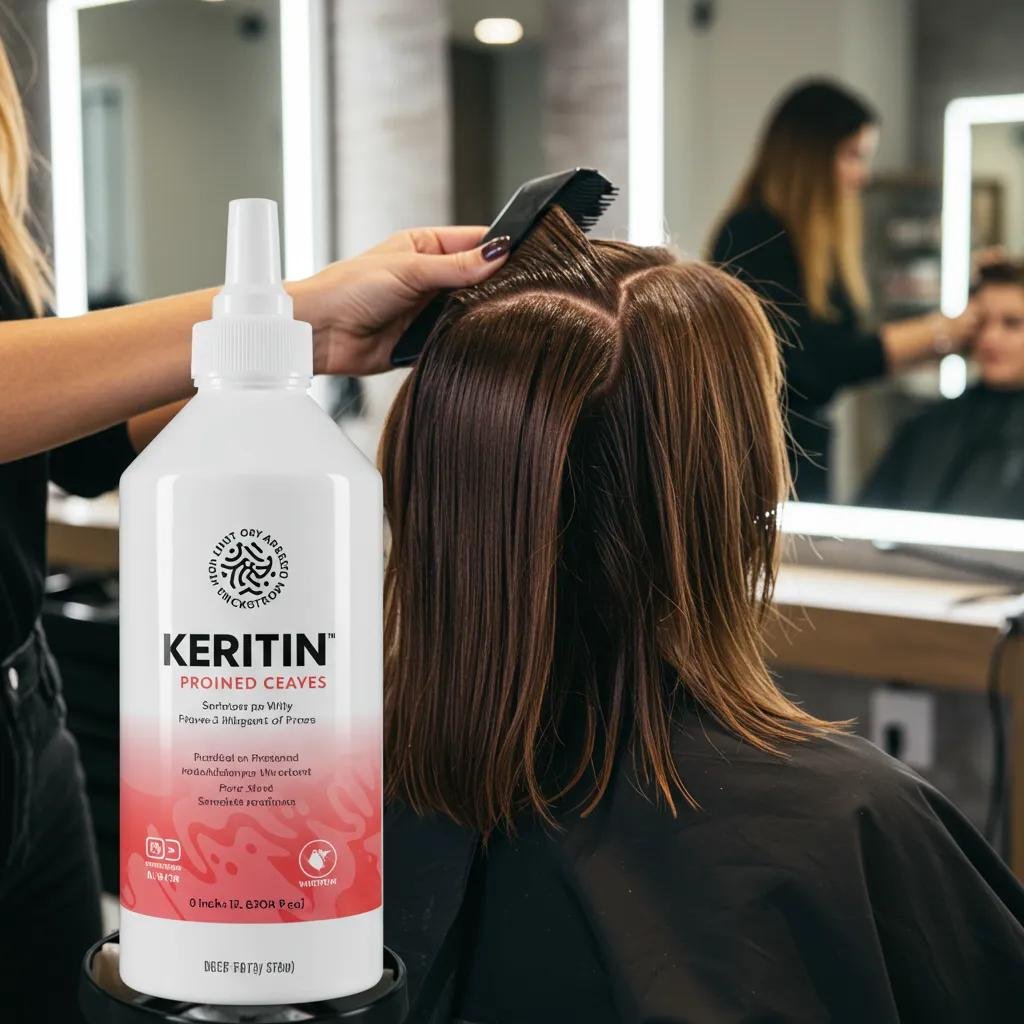
A professional keratin service begins with a consultation to assess hair history, porosity, and styling goals, then follows a structured sequence of wash, application, heat activation, and styling to lock in the treatment. At the salon, the stylist selects the appropriate product strength and application technique based on hair type, applies the formula evenly from root to tip, and uses controlled flat-ironing to seal the keratin into the cuticle. Timing and rinse protocols vary by formula; the stylist’s technique determines how much smoothness versus curl retention is preserved, so personalization matters. This process paragraph leads naturally into how long clients can expect these results to last and what variables influence longevity.
How Long Does a Keratin Treatment Last on Different Hair Types?
Typical keratin treatment longevity ranges from about three to six months, with finer, less-porous hair sometimes showing shorter durations and thicker or chemically treated hair often holding results longer. Factors such as hair porosity, frequency of washing, use of sulfate-containing products, mechanical stress, and exposure to coarse humidity all influence the effective lifespan of the smoothing layer. Practical measures — like switching to sulfate-free shampoo and reducing high-heat styling — can extend results toward the upper end of the typical range. Knowing these variables prepares clients to plan maintenance appointments and adopt aftercare behaviors that maximize value from the initial investment.
What Are the Key Benefits of Keratin Treatment for Frizzy Hair?
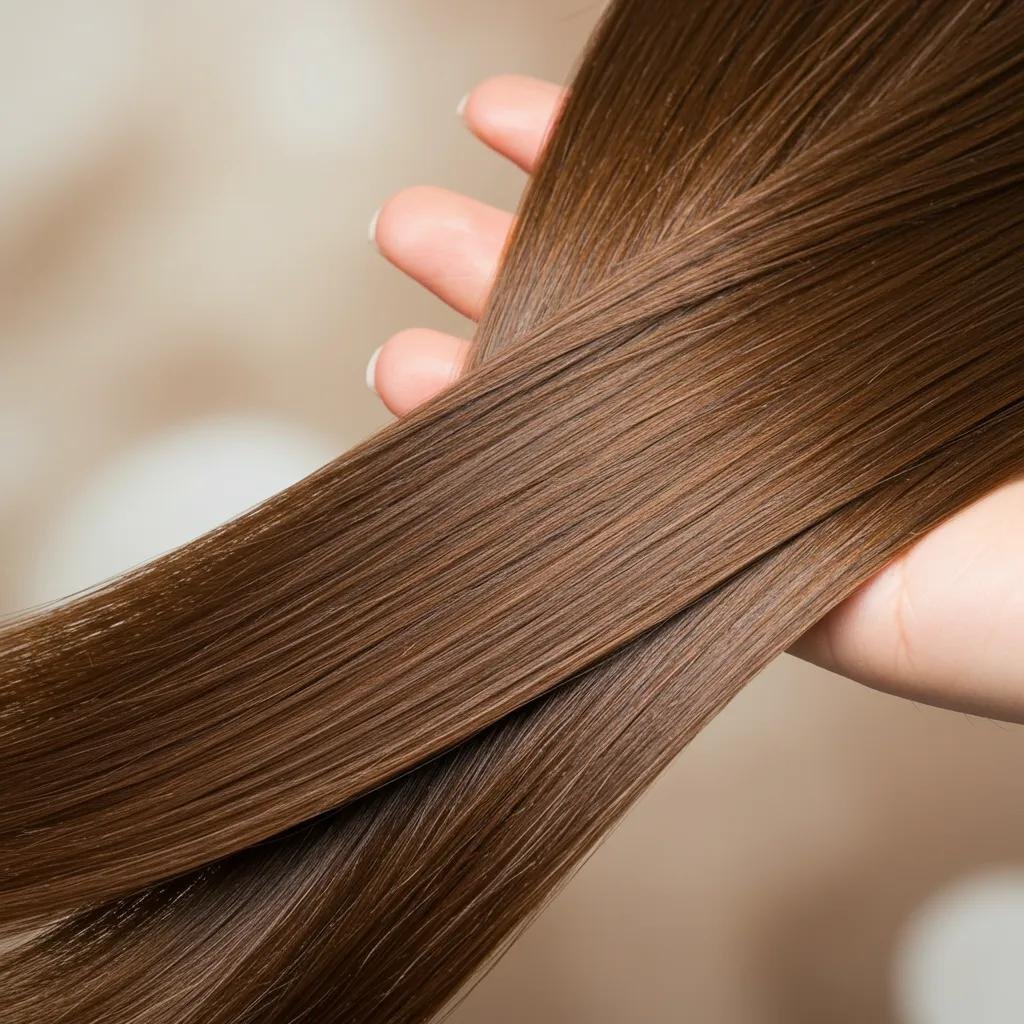
Keratin treatments deliver multiple, related benefits that address the common frustrations of frizz, dullness, and lengthy styling routines by improving hair surface structure and manageability. The primary advantages include significant frizz reduction in humid conditions, visible enhancement of shine through cuticle smoothing, easier detangling and styling, and potential improvements in tensile strength that reduce breakage during daily handling. These benefits function both individually and synergistically: for example, less frizz shortens blow-dry time while a smoother cuticle increases light reflection and perceived health. The following list summarizes core benefits for quick review and practical planning.
Keratin treatments provide several immediate and ongoing benefits for frizzy hair:
- Frizz Reduction: Seals cuticles to limit moisture uptake and reduce frizz in humid environments.
- Improved Shine: Flatter cuticles reflect light uniformly, increasing gloss and vibrancy.
- Better Manageability: Smoother hair tangles less and requires less heat and product to style.
- Reduced Breakage: Protein coating can temporarily strengthen strands and reduce mechanical damage.
- Time Savings: Shorter daily styling routines due to easier smoothing and detangling.
These benefits clarify why keratin smoothing is a compelling option for people in humid regions who want consistent, lower-maintenance styling; the next section applies these advantages specifically to Bethesda’s climate.
How Does Keratin Treatment Control Frizz in Humid Climates Like Bethesda?
In humid climates, hair swells as moisture penetrates the cuticle; a keratin coating reduces that moisture exchange by creating a hydrophobic barrier that stabilizes the shaft against humidity-driven changes. For residents of Bethesda, this means fewer unpredictable daily styling challenges and more consistent hair shape during commutes or outdoor activities. While no smoothing service eliminates all humidity effects indefinitely, clients typically notice a marked reduction in daily frizz and fewer refresh styling sessions. These localized expectations help set practical goals before choosing a treatment.
In What Ways Does Keratin Treatment Enhance Hair Shine and Smoothness?
Keratin enhances shine primarily by repairing surface irregularities and flattening lifted cuticles so that light reflects coherently rather than scattering off rough surfaces. The protein coating fills micro-grooves, producing a smoother tactile feel and a visibly glossier finish that makes color and highlights appear more luminous. To preserve shine, use gentle cleansing and avoid surfactants known to strip protein layers. Maintaining that sheen links directly to aftercare strategies, which are detailed later.
How Does Keratin Treatment Improve Hair Manageability and Reduce Styling Time?
Smoother hair tangles less and responds predictably to brushing and heat styling, often cutting morning blow-dry and styling time by a measurable margin for many clients. Rather than precise percent claims, anecdotal industry patterns suggest substantial time savings — many clients report cutting routine styling by half or more depending on their starting texture. Simpler daily routines reduce thermal stress and cumulative damage, which in turn helps sustain treatment benefits longer. Understanding these time-saving effects helps individuals weigh the lifestyle benefits against maintenance commitments.
Can Keratin Treatment Strengthen Hair and Reduce Breakage?
Keratin treatments can impart temporary strengthening by filling gaps in damaged cuticle layers and reducing friction between strands during handling, which lowers the risk of breakage from brushing and styling. However, the structural reinforcement is not identical to rebuilding hair from within; treatments supplement existing proteins externally and work best alongside internal conditioning and trimming strategies. Clients with significant structural damage should view keratin as part of a broader strengthening plan rather than a standalone repair. This balanced perspective informs realistic expectations and care plans.
What Is the Typical Duration of Smooth Hair Results After Treatment?
Most clients see smoothness and frizz reduction persist for roughly three to six months, with touch-ups or protein-refresh treatments recommended when new growth or gradual wear reduces efficacy. Variables like washing frequency, product choices (especially avoiding sulfates), and environmental exposure determine where an individual falls within that range. Planning maintenance around seasonal humidity shifts and personal styling frequency helps maintain consistent results. These timeline expectations segue into guidance on choosing whether a keratin treatment fits a given hair type and lifestyle.
Is Keratin Treatment Right for Your Hair Type and Needs?
Determining whether a keratin treatment is appropriate requires matching hair texture, condition, and styling goals to the treatment’s smoothing and protein characteristics. Generally, coarse, frizz-prone, chemically altered, or high-porosity hair benefits most from smoothing and protein infusion, while clients who want to fully preserve tight curl patterns should plan for partial smoothing or lighter application. Product variants, including formaldehyde-free formulations, affect safety profiles and straightening intensity, so a professional consultation is essential to select the correct approach. The next subsections help readers identify suitability by type and concern and clarify how formaldehyde-free claims should be evaluated.
Which Hair Types Benefit Most from Keratin Treatments?
Keratin treatments often produce the largest perceptible improvements on frizzy, coarse, porous, or chemically processed hair because these textures present many cuticle irregularities for the protein to smooth. Wavy and loosely curled hair can retain body while gaining manageability if the application is moderated, whereas very tight curls may experience some loosening unless a lighter protocol is chosen. Clients with fine, low-porosity hair may still receive shine and manageability gains but should request lower-concentration formulas to avoid a flattened appearance. Assessing desired outcome versus texture is therefore a core part of consultation.
What Hair Concerns Can Keratin Treatment Address Effectively?
Keratin smoothing addresses a cluster of common concerns—frizz, excess porosity, long styling routines, and surface dullness—by directly improving the cuticle’s surface properties and reducing friction between strands. It is less effective as a structural repair for severely compromised internal cortex damage, where targeted reconstructive treatments may be needed in addition. For many clients, the problem-solution mapping is straightforward: smoothing for daily frizz and styling savings; complementary restorative care for deep structural damage. This mapping helps clients set realistic goals before booking.
Are There Formaldehyde-Free Keratin Treatment Options at Kylie Studio Salon?
Clients concerned about formaldehyde-related ingredients should know that “formaldehyde-free” is used in industry to describe alternatives with different active chemistries; the precise composition and safety profile vary by product. Rather than assuming availability, ask your stylist during consultation about product formulations and any formaldehyde-free options they offer, because only the salon can confirm current product lines and their safety characteristics. Discussing alternatives during the in-salon assessment ensures the chosen formula matches both health preferences and desired smoothing strength. This safety conversation naturally leads into aftercare guidance that protects treatment longevity.
How Should You Care for Your Hair After a Keratin Treatment?
Aftercare is the primary determinant of how long keratin smoothing lasts and how well the hair responds over time, with simple product and routine choices producing outsized effects on longevity and appearance. Core aftercare priorities include using sulfate-free shampoo, timing the first post-treatment wash appropriately, protecting treated hair from extreme heat and mechanical stress, and scheduling maintenance refreshes aligned with your hair’s growth cycle. These steps function together to maintain the keratin coating, prevent premature stripping, and sustain both shine and reduced frizz. The following list outlines immediate post-treatment actions and ongoing care habits.
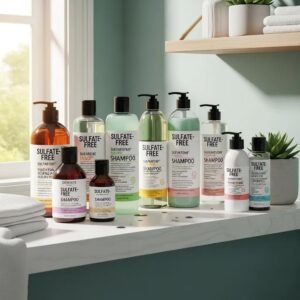
- Use a sulfate-free shampoo: Gentle surfactants preserve the keratin layer and extend results.
- Delay the first full wash as recommended: Follow stylist guidance to allow the coating to set.
- Apply heat protectant when styling: Shield the treated surface from unnecessary thermal wear.
- Limit harsh mechanical stress: Use wide-tooth combs and gentle drying techniques to prevent abrasion.
Adopting these steps immediately after treatment helps maintain both the cosmetic and functional benefits while reducing the need for early re-treatment; next we explain why sulfate-free formulas matter.
Why Are Sulfate-Free Shampoos Essential for Maintaining Keratin Treatment Results?
Sulfate-containing detergents are strong surfactants that can strip surface coatings by removing oils and applied proteins, accelerating the loss of the keratin layer that provides smoothing benefits. Choosing sulfate-free products with gentle surfactants helps preserve the coating’s integrity and prevents premature fading of smoothness and shine. When selecting products, look for labels indicating “sulfate-free” and formulas designed for treated hair that emphasize gentle cleansing and moisture balance. Preserving the coating in this way directly ties into recommended washing frequency and heat-protection practices.
How Often Should You Wash Your Hair Post-Treatment for Best Results?
A common guideline is to delay the first full wash as the stylist recommends—often 48–72 hours depending on product—and thereafter adopt a moderate washing cadence that minimizes needless stripping of the keratin layer. Many clients find that reducing shampoo frequency to two to three times per week, using dry shampoo between washes if needed, extends smoothing effects without compromising scalp health. Adapt washing habits to personal activity levels and humidity exposure to strike the best balance for longevity. These washing choices naturally interact with heat-styling habits, which deserve careful attention.
What Heat Styling Tips Protect Your Keratin-Treated Hair?
When styling keratin-treated hair, favor lower-to-moderate temperatures and use a high-quality heat protectant to mitigate cumulative thermal stress that can erode the protein coating. Limit repeated high-temperature flat-iron passes and avoid excessive tension or rapid combing when hair is hot, which can mechanically degrade the sealed cuticle. Opt for faster, gentler styling techniques—blow-drying with controlled airflow and finishing with a single pass of a flat iron at recommended heat settings—to preserve results. These practices prolong both cosmetic shine and the structural benefits of the treatment.
How Does Kylie Studio Salon in Bethesda Deliver Expert Keratin Treatment Services?
Kylie Studio Salon positions itself as a local hub for professional hair care in Bethesda, offering keratin treatments and Brazilian Blowouts delivered with a focus on personalized consultations and experienced technique. The salon emphasizes individualized assessments to select the appropriate product strength and application method, and stylist Ruth brings recognized hands-on expertise to diagnosis and execution of smoothing services. This local, client-centered approach helps residents of Bethesda get results that match both climate needs and lifestyle expectations. For booking details, the salon lists its Bethesda address and phone as primary contact methods for appointments and consultations.
What Makes Ruth’s 11+ Years of Experience Unique for Keratin Treatments?
Ruth’s extensive experience allows for nuanced diagnosis of hair porosity, prior chemical history, and desired styling outcomes, enabling precise product selection and customized application techniques. That experience translates into consistent control over the balance between smoothing intensity and curl retention, reducing the risk of over-processing while maximizing manageability. Clients working with a seasoned stylist typically see smoother, longer-lasting results because technique—timing, heat control, and application uniformity—matters as much as product choice. This professional judgement is central to personalization at the salon.
How Does Kylie Studio Salon Personalize Keratin Treatments for Each Client?
Personalization at the salon begins with a thorough consultation covering hair history, styling goals, and any sensitivity or safety concerns, followed by selecting a formulation and application protocol tuned to the client’s texture and desired outcome. Customization points include concentration of protein, sectioning strategy during application, heat settings during flat-ironing, and aftercare recommendations tailored to lifestyle factors such as commute and humidity exposure. This checklist-style approach helps clients anticipate how the service will be adapted to their needs. Personalized planning leads naturally to client feedback and visual proof of results.
What Do Clients Say About Their Keratin Treatment Results at Kylie Studio Salon?
Visual proof such as before-and-after images and aggregated client sentiment offer compelling evidence of outcomes like reduced frizz and easier styling, and the salon recommends showcasing such galleries to help prospective clients set expectations. While specific testimonials should be provided directly by the salon to ensure authenticity, prospective clients typically look for consistent visual evidence and documented improvement in manageability and shine. Including a before-and-after gallery and clear service descriptions strengthens decision-making during consultation. This emphasis on evidence naturally leads to the practical booking details below.
Where Is Kylie Studio Salon Located and How Can You Book Your Keratin Treatment?
Kylie Studio Salon operates from a Bethesda address and maintains telephone contact for appointments, enabling local clients to schedule consultations and keratin services tailored to their needs. Prospective clients are encouraged to call the salon using the provided phone number or visit the studio in person to discuss products, scheduling, and any questions about formaldehyde-free options or maintenance plans. A clear, in-person consultation ensures the chosen treatment aligns with hair type and lifestyle, providing the best chance of meeting expectations. The salon’s location and contact details make scheduling an accessible next step for Bethesda residents seeking smoothing services.
What Are the Differences Between Keratin Treatment and Brazilian Blowout?
Keratin treatments and Brazilian Blowouts are related hyponyms within the broader category of hair smoothing treatments, but they differ in formulation emphasis, expected re-texturizing effects, and sometimes in process specifics that influence final appearance and aftercare. Keratin services typically focus on protein infusion and cuticle sealing to smooth and strengthen the hair, while a Brazilian Blowout is often described as a re-texturizing system that can preserve more of natural wave while reducing frizz. These distinctions affect outcomes such as degree of straightening, longevity, and how the hair responds to future chemical services. The following table compares key attributes to help clients choose.
How Do Keratin Treatment and Brazilian Blowout Differ in Process and Results?
Process differences include product chemistry and how heat is used to activate the formulation—keratin treatments typically use protein bonding with precise flat-iron passes, while Brazilian Blowout systems often emphasize polymer sealing and may have different rinse or timing steps. Result differences manifest in the degree of straightening versus re-texturizing; some clients prefer the softer re-texturizing effect of a Brazilian Blowout to maintain body, while others want the sleeker finish achievable with a keratin protocol. These procedural contrasts influence expected look, feel, and maintenance needs. Deciding between them relies on hair goals, texture, and consultation findings.
Which Treatment Is Better for Frizz Control and Hair Health?
Both treatments are effective for frizz control, but the better option depends on priorities: if minimizing frizz while retaining natural wave is the goal, a re-texturizing system may be preferable; if maximum smoothness and reduced styling time are priorities, a keratin-focused treatment can deliver stronger straightening effects. Hair health considerations include prior chemical processing and scalp sensitivity, which should guide product choice and application intensity. A professional assessment determines the best trade-off between aesthetics and hair resilience. Moving from selection to budgeting requires understanding price and time expectations.
What Are the Pricing Differences and Duration Expectations?
Price and duration vary by salon, product choice, hair length, and thickness; longer or thicker hair increases application time and cost. Typical duration expectations fall within the ranges shown earlier; clients should budget for initial service plus occasional refresh treatments aligned with their desired look. Transparent pricing and a clear explanation of variables during consultation ensure clients understand cost drivers and expected service intervals. This clarity reduces surprises and improves satisfaction with the chosen smoothing approach.
What Are the Most Common Questions About Keratin Treatment Benefits?
Prospective clients frequently ask whether keratin treatments are safe, how long results last, what the trade-offs are, and what a salon service includes — questions that map directly to decision readiness and booking intent. Providing concise, factual answers supports searcher intent and increases the likelihood of conversion for local salon services. The following FAQ-style responses are optimized for quick scanning and featured-snippet potential, and they include brief service-specific notes referencing what clients can expect when booking a keratin treatment at Kylie Studio Salon.
Is Keratin Treatment Good for Your Hair?
Keratin treatment can be good for hair when applied appropriately: it improves surface condition, reduces frizz, and can lower breakage from daily styling, but it is not a substitute for internal reconstructive treatments for severely damaged hair. The key is appropriate product selection and skilled application to avoid over-processing; consult a professional stylist to match treatment intensity to hair condition. When combined with proper aftercare, many clients see a net improvement in hair manageability and appearance. This balanced view informs a realistic decision about undergoing treatment.
What Are the Pros and Cons of Keratin Treatment?
- Pros: Significant frizz reduction, improved shine, easier styling, potential reduced breakage.
- Cons: Maintenance requirements (sulfate-free care), variable duration, product-safety questions for some formulas.
- Decision tip: Prioritize a professional consultation to match product and technique to hair goals.
How Long Does Keratin Treatment Last?
Expect roughly three to six months of improved smoothness with typical keratin treatments, with longevity influenced by hair porosity, washing frequency, product choice, and environmental exposure. Individual habits and maintenance routines can push results toward the shorter or longer end of that range, so plan follow-up appointments accordingly. Understanding this timeframe helps clients schedule maintenance in line with lifestyle and styling expectations. The service components described next detail what a salon visit typically includes.
What Is Included in a Keratin Treatment Service at Kylie Studio Salon?
A standard keratin treatment service typically includes an initial consultation, a professional wash to prepare the hair, application of the keratin formula, heat activation through blow-drying and flat-ironing, and styling to showcase the result; follow-up aftercare recommendations are included as part of the visit. Clients should confirm exact inclusions during booking, and the salon can clarify product variants or formaldehyde-free options during the consultation. This concise service outline helps set expectations before arriving for the appointment. Knowing what’s included supports local booking decisions.
Can Keratin Treatment Help with Maryland’s Humidity and Frizz?
Yes—by reducing the hair’s susceptibility to moisture-driven cuticle lifting, keratin treatments meaningfully decrease humidity-related frizz in Maryland and other humid regions. While effects are not permanent, the measurable reduction in daily frizz and improved styling predictability make keratin smoothing a practical choice for residents facing seasonal humidity variability. Pairing treatment with recommended aftercare maximizes results in local conditions. This local-weather benefit often motivates clients to schedule a consultation and personalized treatment plan at a nearby salon.
Frequently Asked Questions
What Should You Expect During a Keratin Treatment Consultation?
During a keratin treatment consultation, your stylist will assess your hair type, texture, and previous chemical treatments to determine the best approach for your needs. This personalized assessment includes discussing your styling goals, any concerns about hair health, and the specific keratin products that will be used. The stylist will explain the treatment process, expected results, and aftercare requirements, ensuring you have a clear understanding before proceeding. This step is crucial for achieving optimal results tailored to your hair’s unique characteristics.
How Do I Choose Between a Keratin Treatment and a Brazilian Blowout?
Choosing between a keratin treatment and a Brazilian Blowout depends on your hair goals. If you desire maximum smoothness and reduced styling time, a keratin treatment may be more suitable. Conversely, if you want to maintain some natural wave while reducing frizz, a Brazilian Blowout could be the better option. Consider your hair type, desired level of straightening, and how much curl retention you want. Consulting with a stylist can help clarify which treatment aligns best with your specific needs and lifestyle.
Are There Any Side Effects Associated with Keratin Treatments?
While keratin treatments are generally safe, some individuals may experience side effects such as temporary hair dryness or sensitivity to certain ingredients, particularly formaldehyde in some formulations. It’s essential to communicate any allergies or sensitivities to your stylist during the consultation. Additionally, improper application or over-processing can lead to damage, so choosing a skilled stylist is crucial. Following aftercare instructions can also help mitigate potential side effects and maintain the health of your hair post-treatment.
Can I Color My Hair After a Keratin Treatment?
Yes, you can color your hair after a keratin treatment, but it’s advisable to wait at least two weeks to allow the keratin to fully set. Coloring too soon can interfere with the treatment’s effectiveness and may lead to uneven results. If you plan to color your hair, discuss this with your stylist during the consultation to ensure the timing and products used will not compromise the benefits of the keratin treatment. They can recommend the best approach for achieving both color and smoothness.
How Do I Know If a Keratin Treatment Is Right for Me?
To determine if a keratin treatment is right for you, consider your hair type, texture, and the specific issues you want to address, such as frizz or manageability. Keratin treatments are particularly beneficial for coarse, frizzy, or chemically treated hair. If you desire smoother, shinier hair with reduced styling time, this treatment may be a good fit. A consultation with a professional stylist can provide personalized insights and help you weigh the pros and cons based on your hair’s unique characteristics and your styling goals.
What Maintenance Is Required After a Keratin Treatment?
Post-treatment maintenance is crucial for prolonging the benefits of a keratin treatment. Key practices include using sulfate-free shampoos, avoiding excessive heat styling, and limiting washing frequency to two to three times a week. It’s also important to follow your stylist’s specific aftercare recommendations, such as waiting a designated period before washing your hair after the treatment. Regular touch-ups may be necessary every few months to maintain smoothness and manageability, depending on your hair type and lifestyle.
Conclusion
Keratin treatments offer a transformative solution for frizzy hair, delivering benefits such as reduced frizz, enhanced shine, and improved manageability. By understanding the treatment process and aftercare, clients can maximize their results and enjoy smoother hair for months. If you’re ready to experience the difference a professional keratin treatment can make, consider booking an appointment at Kylie Studio Salon today. Embrace the confidence that comes with beautifully smooth hair tailored to your lifestyle.