Keratin Aftercare: Essential Tips for Long-Lasting Treatment Results
A keratin treatment smooths and strengthens hair by temporarily bonding keratin protein to the hair shaft, reducing frizz and improving manageability; proper aftercare preserves those benefits. This guide teaches you exactly what to do from the first 72 hours through long-term maintenance, explains which product attributes matter, and maps out daily and weekly routines so your results last. Kylie Studio Salon and stylist Ruth are noted local resources in Bethesda, MD, offering personalized aftercare advice and keratin-safe product recommendations for clients who want tailored plans. Many people lose smoothness early by washing too soon or using sulfated products, so this article focuses on practical, science-based steps — from the essential 72-hour wait to swimmer-safe protocols. You’ll find clear do’s and don’ts, product guidance, routine tables, and troubleshooting signs that indicate when to seek professional help. Read on to learn how to protect keratin bonds, select keratin-safe products, and schedule maintenance to keep hair smooth, shiny, and resilient.
How Long Should You Wait to Wash Your Hair After a Keratin Treatment?
Waiting 72 hours to wash your hair after a keratin treatment is the standard recommendation because keratin bonds need time to set and cross-link with the hair cuticle. These three days allow the heat-activated smoothing process to finish and the cuticle to seal, which preserves smoothness and reduces early fading. During this period, protecting hair from moisture, sweat, and creasing is critical to prevent bond disruption and uneven texture. (shunsalon.com)
Why Is the 72-Hour Waiting Period Crucial for Keratin Bonding?
Keratin bonding requires a short cure time after the salon process so the applied proteins and any sealing agents fully adhere to the hair shaft. Chemically, the treatment involves heat-activated cross-links that continue to stabilize after styling, so washing or wetting the hair can interrupt that curing and weaken the bond. As a result, final smoothness, shine, and frizz control are maximized when the treatment cures undisturbed for 72 hours. (shunsalon.com)
What Are the Risks of Washing Too Soon After Treatment?
Washing or exposing hair to humidity within the initial 72 hours can lead to partial removal of the keratin layer, producing patchy smoothing and a faster return of frizz. Early wetting may also cause uneven texture where some sections bind less effectively, forcing earlier repeat visits or corrective treatments. In practical terms, washing too soon reduces the cost-efficiency and visual benefits of the salon treatment, so following the wait period helps you avoid unnecessary touch-ups. (shunsalon.com)
How Should You Protect Your Hair During the First 72 Hours?

Protecting hair during the initial 72 hours involves simple, low-effort habits that prevent moisture and creasing while the keratin bonds cure. Keep hair dry, avoid steamy bathrooms and intense exercise that causes sweat, and skip tight hairstyles or clips that create dents; if you must secure hair, use a loose silk scarf or very loose bun to minimize creasing. If rain is unavoidable, loosely cover hair with a breathable scarf to keep water off while allowing airflow; sleeping on a silk pillowcase or wearing a silk scarf can help reduce friction and accidental wetting overnight. (atomicsalonboise.com) These actions create a stable, dry environment that supports full bond setting and better long-term results.
What Are the Best Products to Use on Keratin Treated Hair?
Choosing products that respect keratin chemistry—specifically sulfate-free and sodium chloride-free formulations—helps preserve the smoothing layer and prolong treatment performance. The right mix includes a gentle sulfate-free shampoo, a lightweight keratin-safe conditioner, occasional hydrating masks, and a reliable heat protectant and anti-frizz serum to safeguard bonds during styling. Below is a concise comparison of product attributes to help you select the most protective items for daily use, followed by specific application tips that reduce buildup and maintain sheen.
Before the table below, consider these product-selection principles: prioritize “sulfate-free” and “salt-free” labels, favor hydrating over heavy protein treatments, and use minimal product amounts near the root to avoid weighing hair down. Applying products thoughtfully supports the keratin layer without compromising manageability. The following table summarizes recommended product types, core attributes, and why each is suitable for keratin-treated hair.
This comparison highlights how ingredient choices protect bonded keratin and maintain a smooth cuticle. Selecting products with these attributes reduces the risk of accelerated wear and helps you extend salon results between touch-ups.
Why Choose Sulfate-Free and Sodium Chloride-Free Shampoos?
Sulfates are strong detergents that can lift the hair cuticle and remove keratin proteins applied during treatment, while sodium chloride (salt) can accelerate fading and reduce smoothness. For these reasons, shampoos labeled “sulfate-free” and “salt-free” minimize aggressive cleansing action and protect the keratin coating. When reading labels, look for mild surfactants and confirm the absence of sodium chloride; these products provide effective cleansing without stripping the treatment. (atomicsalonboise.com)
Which Keratin-Safe Conditioners and Hair Masks Are Recommended?
Keratin-safe conditioners focus on lightweight hydration and gentle detangling rather than heavy protein loading, which can cause stiffness with repeated use. Choose masks that prioritize moisture-restoring ingredients like argan or jojoba oil and use protein-balanced formulas sparingly—typically once a month or as needed—so you avoid cumulative protein buildup. Apply conditioners primarily from mid-length to ends, avoiding the scalp to reduce product weight and prolong the treatment’s visual lift. These practices help maintain softness and shine while preventing the hair from appearing limp or over-treated.
How Do Heat Protectants and Anti-Frizz Serums Support Your Hair?
Heat protectants form a thin barrier that reduces thermal transfer to the keratin bonds and the hair cuticle, which preserves treatment integrity when you style. Anti-frizz serums smooth the cuticle, add refractive shine, and reduce humidity-related swelling that causes frizz; use sparingly to avoid glazing or buildup. Apply protectants on damp hair before blow-drying and serums on mid-lengths and ends after styling for best effect. Using these products correctly helps maintain the treatment’s smoothing benefits while enabling safe, controlled styling.
What Local or Salon-Recommended Products Does Kylie Studio Salon Offer?
How Should You Structure Your Daily and Weekly Hair Care Routine After Keratin Treatment?
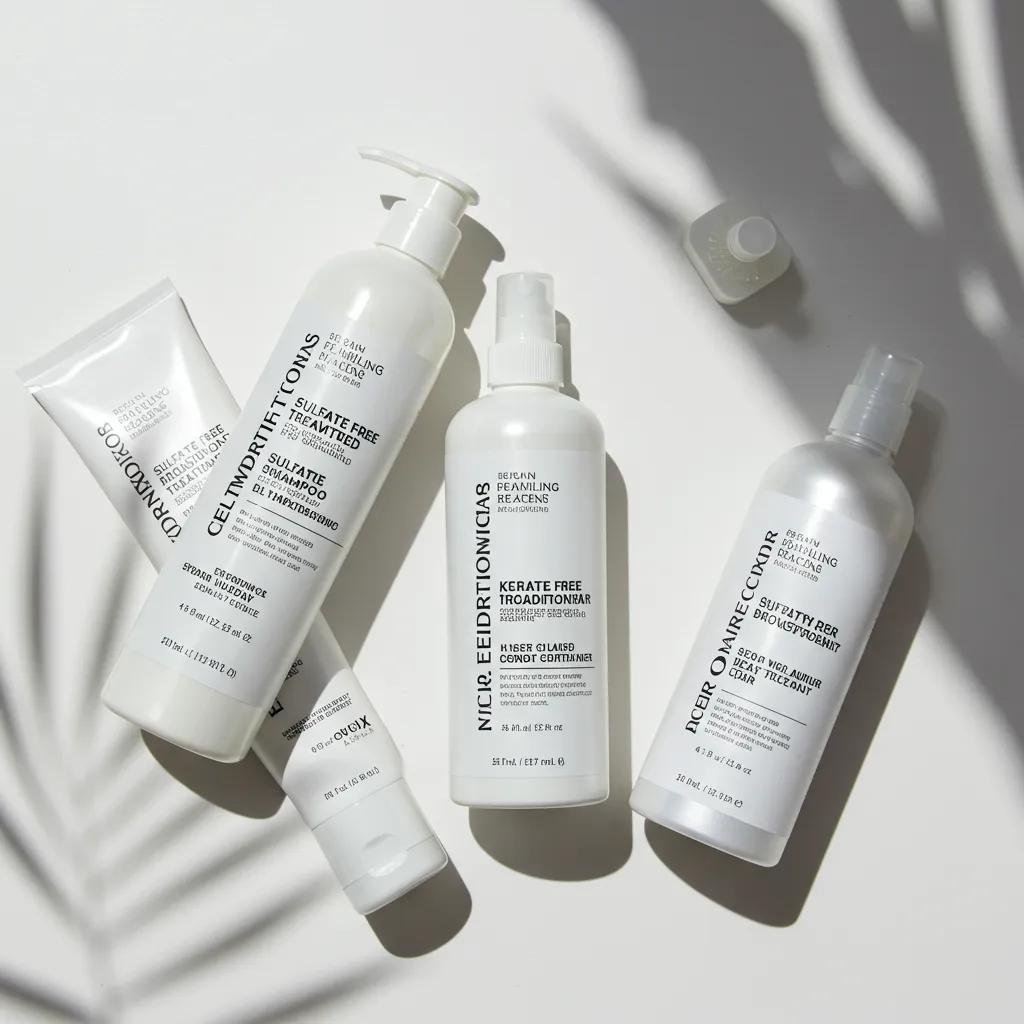
A structured daily and weekly plan balances preservation of keratin bonds with necessary cleansing and conditioning to maintain hair health. Daily routines emphasize gentle handling, low-heat styling, and minimal product use near the roots, while weekly habits include targeted hydration and occasional clarifying when needed. Below is a practical routine table that outlines step-by-step care, frequency, and best-practice notes to follow after a keratin service.
This routine table offers a balanced schedule that supports both cleanliness and keratin preservation. Tailor frequency to hair type—oily scalps may require more frequent cleansing while dry hair benefits from extended intervals between washes.
How Often Should You Wash Keratin Treated Hair?
Washing frequency depends on hair type and lifestyle, but a general baseline is to wait longer between washes than you might for untreated hair—often 7–14 days for many clients. People with oily scalps or those who exercise frequently may need weekly washing, while dry or low-activity individuals can extend intervals up to 2–4 weeks using dry shampoo and protective styling. Stretching wash intervals reduces friction and surfactant exposure, which prolongs keratin bond life and keeps hair smoother for longer. Adjusting frequency based on oil production and activity level helps optimize both scalp health and treatment longevity.
What Are the Best Techniques for Gentle Washing and Conditioning?
Gentle washing begins with lukewarm water and massaging the scalp with fingertips rather than rough rubbing, which prevents cuticle lift and keratin disruption. Apply shampoo to the scalp only, rinse thoroughly, and then apply conditioner from mid-shaft to ends, avoiding the roots to prevent weighing the hair down. Rinse fully and pat-dry with a microfiber towel or soft cotton T-shirt to reduce friction, then apply heat protectant before any hot-styling to shield keratin bonds. These techniques minimize mechanical and chemical stress while maintaining smoothness and shine.
When and How Should You Use Deep Conditioning Treatments?
Deep conditioning treatments should be hydrating rather than heavily protein-based for keratin-treated hair, with frequency typically once a month or when extra moisture is needed. Apply masks to mid-lengths and ends, leave for the recommended time, and rinse thoroughly to prevent residue that can dull or weigh hair. Avoid overusing protein-rich masks, which can cause stiffness when combined with keratin treatments, and alternate hydrating masks with keratin-safe clarifying sessions to maintain balance. This approach restores moisture without compromising the smoothing effect of the treatment.
How Can You Avoid Product Buildup While Maintaining Hair Health?
Avoiding buildup requires a balance of minimal product use, occasional clarifying, and choosing lightweight formulas that don’t leave heavy residues. Rotate styling products and oils, use a keratin-safe clarifying shampoo about once a month, and limit leave-in product amounts near the scalp. Consulting your stylist about a personalized clarifying schedule can prevent overuse and maintain optimal sheen. These steps keep hair light and responsive while preserving the keratin layer’s smoothing properties.
What Styling and Protection Practices Help Maintain Keratin Treatment Results?
Styling choices and environmental protection directly influence how long a keratin treatment lasts; safe heat settings, UV defense, and swimming protocols are essential components of a protective plan. Using appropriate tools and guards and minimizing exposure to chlorine and sun reduces chemical and mechanical stress on bonded keratin. The forthcoming subsections detail safe heat use, UV and environmental protection, swimmer routines, and sleep-care practices that translate to longer-lasting smoothness.
How Can You Safely Use Heat Styling Tools on Keratin Treated Hair?
Use medium heat settings rather than maximum temperatures when blow-drying or flat-ironing to reduce thermal stress on keratin bonds, and always apply a keratin-safe heat protectant to damp hair first. Prefer tools with ceramic or titanium plates that distribute heat evenly and avoid repeated passes at the same section. Limit high-heat styling frequency—reserve intense straightening for occasional use and rely on smoothing serums for daily control instead. These practices reduce cumulative heat exposure and help maintain the treatment’s integrity over time.
What Are the Best Ways to Protect Hair from UV Rays and Environmental Damage?
UV-protectant sprays and leave-in products containing antioxidants help defend the cuticle and keratin layer from sun-driven oxidation, and wearing hats or scarves offers straightforward physical protection on high-exposure days. Antioxidant-rich serums provide an added chemical shield, while rinsing hair after dusty or polluted exposure removes particulates that can degrade finish and shine. For vacations or prolonged sun exposure, increase protective product use and prioritize rinsing and conditioning after long days outdoors. Combining topical protection with physical barriers reduces cumulative environmental wear.
How Should You Care for Your Hair When Swimming in Chlorine or Saltwater?
Before swimming, wet hair with fresh water and apply a leave-in conditioner to limit absorption of chlorinated or salty water; wearing a silicone swim cap provides additional protection during pool sessions. After swimming, rinse immediately with fresh water and use a keratin-safe clarifying shampoo followed by a hydrating conditioner to remove chemical residues and restore moisture. Avoid frequent swimming without protective measures because repeated chlorine exposure can accelerate keratin fading and dryness. Taking these pre- and post-swim steps preserves smoothness and reduces the need for early touch-ups.
Why Is Sleeping on a Silk Pillowcase Beneficial for Keratin Treated Hair?
Sleeping on silk reduces friction between hair and fabric, preventing creases, breakage, and moisture loss that can dull keratin-treated hair’s shine and smoothness. Silk pillowcases and silk scarves allow hair to glide rather than snag, keeping cuticles flat and preserving the treatment’s sleek appearance overnight. For extra protection, loosely tying hair in a silk scrunchie or using a silk bonnet helps maintain shape without creating dents. These simple nocturnal habits support long-term treatment benefits and decrease daily styling interventions.
What Common Mistakes Should You Avoid After a Keratin Treatment?
Avoidable errors—like early washing, tight hairstyles, and using sulfated products—are frequent causes of early treatment failure and frustration. Recognizing and correcting these mistakes through product choice and gentle handling significantly improves outcomes and reduces repeat salon visits. The list below highlights common pitfalls with short corrective steps you can adopt immediately to protect the investment in your hair’s smoothness and manageability.
Before the list, remember that many mistakes are unintentional habits; switching to keratin-safe routines and small styling adjustments typically resolves the issue without dramatic changes to your look. The following items show what to avoid and what to do instead.
- Washing within 72 hours: Avoid water and humidity for the first three days to allow bonds to set.
- Using sulfated shampoos: Switch to sulfate-free, sodium chloride-free cleansers to prevent stripping.
- Wearing tight hairstyles: Use loose styles or silk accessories to avoid creases and stress points.
After adopting these corrective steps, you’ll notice longer-lasting smoothness and fewer surprises between salon visits. Small behavior changes paired with appropriate products deliver disproportionate benefits for maintaining keratin treatment performance.
Why Should You Avoid Tight Hairstyles and Hair Accessories?
Tight ties and small clips create pressure points and creases that the keratin treatment can hold, resulting in visible dents or permanent-looking lines when the hair sets. Instead, use loose fabric ties, silk scrunchies, or wide clips that distribute tension and avoid sharp bends in the hair shaft. During the first 72 hours, it’s especially important to avoid any tight styling; thereafter, prefer gentle handling to minimize long-term stress. (atomicsalonboise.com)
How Does Using the Wrong Hair Products Affect Your Treatment?
Products with sulfates, strong clarifiers, or heavy oils can strip keratin or weigh hair down, reducing shine and smoothing effects prematurely. If you accidentally use an unsuitable product, switch to keratin-safe alternatives and schedule a clarifying routine with salt-free options as needed to rebalance hair condition. Regular use of compatible products avoids buildup and keeps the cuticle sealed and reflective. (atomicsalonboise.com)
What Are the Signs of Keratin Treatment Damage or Reduced Effectiveness?
Signs that a keratin treatment is waning include increased frizz, loss of shine, uneven texture, and visible return of curl or wave in treated sections. If you notice patchy smoothing or persistent dryness despite proper home care, a stylist evaluation can determine whether a touch-up, targeted repair, or product change is advisable. Addressing these symptoms early prevents more extensive corrective work later and helps you maintain consistent results. Recognizing these red flags enables timely decisions that protect hair health and treatment efficacy.
How Can You Extend the Life of Your Keratin Treatment?
Extending keratin longevity combines good product selection, protective styling, measured heat use, and a smart maintenance schedule that considers your hair growth, lifestyle, and local climate. Establishing predictable touch-up intervals, protecting hair from environmental stressors, and following a keratin-safe home routine all contribute to longer-lasting smoothing. The table below outlines common maintenance options, intervals, and expected benefits so you can plan proactive care without over- or under-servicing your hair.
This maintenance framework helps you align salon visits with hair growth and lifestyle factors so you maintain predictable results without over-processing. Regular, appropriately timed upkeep keeps hair manageable and reduces the need for emergency corrections.
What Is the Recommended Maintenance Schedule for Touch-Ups?
A typical maintenance cadence ranges from about 2 to 5 months, depending on hair growth rate, washing frequency, and exposure to heat, chlorine, or sun. Faster-growing hair or frequent washing requires earlier touch-ups to keep roots smooth, while less active care and protective routines can extend the interval toward the longer end. Monitor visual cues—such as root texture and overall frizz—to decide when to schedule a refresh. Personalized scheduling based on observed wear provides cost-effective maintenance and consistent appearance.
How Does Personalized Aftercare Advice from Kylie Studio Salon Enhance Results?
Personalized aftercare consultations at Kylie Studio Salon help match products and a maintenance schedule to your hair’s specific needs, accounting for local humidity in Bethesda and your lifestyle factors. Stylist Ruth can recommend in-salon or retail keratin-safe products, suggest optimal touch-up intervals, and create a simple at-home routine that aligns with your daily habits. Booking a short aftercare consult with the salon offers tailored guidance that reduces guesswork and helps you avoid common mistakes that shorten treatment life. This targeted support complements the general care advice above by addressing individual variations in hair behavior.
What Lifestyle Factors Influence Treatment Longevity?
Lifestyle elements such as frequent heat styling, regular swimming, high sun exposure, and diet-related hair health all influence how long keratin results persist. Reducing daily high-heat styling, using UV protection, protecting hair during swims, and maintaining overall hair nutrition help preserve bonds and reduce oxidative stress. Small habit changes—like alternating styles, using heat protectants, and rinsing after chlorinated swims—deliver meaningful improvements to treatment durability. These lifestyle adjustments work in concert with salon care to maximize the value of each keratin session.
Frequently Asked Questions
What Should I Do If I Notice Frizz After My Keratin Treatment?
If you notice frizz after your keratin treatment, it may indicate that the treatment is wearing off or that your hair is reacting to environmental factors. To address this, ensure you are using keratin-safe products and following the recommended aftercare routine. Consider applying an anti-frizz serum to smooth the cuticle and protect against humidity. If frizz persists, consult your stylist for a possible touch-up or to evaluate your product choices and application techniques.
Can I Color My Hair After a Keratin Treatment?
Yes, you can color your hair after a keratin treatment, but it’s best to wait at least two weeks to allow the keratin bonds to set fully. If you plan to color your hair, consult your stylist about the best timing and products to use. Opt for ammonia-free dyes or semi-permanent options to minimize damage. Always inform your colorist about your keratin treatment to ensure they use compatible products that won’t strip the keratin layer.
How Can I Tell If My Keratin Treatment Is Fading?
Signs that your keratin treatment is fading include increased frizz, loss of shine, and a return of curl or wave in treated areas. You may also notice that your hair feels rougher or less manageable than it did immediately after the treatment. If you observe these changes, it may be time to schedule a touch-up or consult your stylist for advice on maintaining your treatment and preventing further fading.
Is It Safe to Use Hair Products with Alcohol After a Keratin Treatment?
Using hair products with alcohol after a keratin treatment is generally not recommended, as alcohol can dry out the hair and strip away the keratin layer. Look for alcohol-free products that provide moisture and protection instead. If you must use a product with alcohol, ensure it is not one of the primary ingredients and that it is balanced with hydrating components to minimize potential damage.
What Should I Do If I Experience an Allergic Reaction to a Product?
If you experience an allergic reaction to a product after your keratin treatment, discontinue use immediately and wash your hair with a gentle, sulfate-free shampoo to remove any residue. Apply a soothing conditioner to help calm the scalp. If symptoms persist or worsen, consult a healthcare professional for advice. Always perform a patch test before trying new products to avoid adverse reactions in the future.
How Can I Maintain My Hair’s Health Between Keratin Treatments?
To maintain your hair’s health between keratin treatments, focus on a balanced routine that includes using keratin-safe products, minimizing heat styling, and incorporating regular deep conditioning treatments. Hydrate your hair with lightweight oils or serums, and protect it from environmental stressors like UV rays and chlorine. Regular trims can also help prevent split ends and keep your hair looking healthy and vibrant.
What Are the Benefits of Consulting a Stylist for Aftercare?
Consulting a stylist for aftercare provides personalized guidance tailored to your hair type, treatment level, and lifestyle. A professional can recommend the best products, techniques, and maintenance schedules to extend the life of your keratin treatment. They can also help identify any issues early on and suggest corrective measures, ensuring you achieve the best possible results and maintain healthy hair.
How Long After Keratin Treatment Can I Wash My Hair?
Wait 72 hours before washing to allow keratin bonds to set fully; this period prevents premature removal of smoothing agents and ensures even results across the hair. The 72-hour rule reduces the risk of frizz and patchy texture that occurs when the treatment is disrupted too soon. Following this wait period gives the chemical and heat-activated processes adequate time to stabilize. (shunsalon.com)
What Shampoo Should I Use After Keratin Treatment?
Use a sulfate-free, sodium chloride-free shampoo specifically formulated for keratin-treated hair to avoid stripping the smoothing layer and to maintain cuticle sealing. Look for labels indicating “sulfate-free” and “salt-free” and choose gentle surfactants that cleanse without aggressive action. Pair with a lightweight, hydrating conditioner applied to mid-lengths and ends for balanced moisture. Consulting your stylist can confirm whether a specific product is keratin-safe for your hair type. (atomicsalonboise.com)
Can I Tie My Hair After a Keratin Treatment?
Avoid tying hair tightly for the first 72 hours, as tight hairstyles create creases that may become permanent-looking when the treatment sets. After the initial wait, choose loose styles such as low buns or silk scrunchies that minimize pressure points and friction. If you must secure hair during the first three days, use only very loose silk wraps or clips to reduce creasing risk. (atomicsalonboise.com)
How Do I Make My Keratin Treatment Last Longer?
To extend treatment life, use keratin-safe products, minimize washing frequency, protect hair from heat and sun, and schedule maintenance based on observed wear. Additional actions include applying heat protectants before styling, avoiding sulfated shampoos, and using silk pillowcases to reduce overnight friction. Implementing these combined habits typically delays visible fading and reduces the need for immediate touch-ups. Consistency in product selection and protective practices yields the best long-term results.
What Should I Avoid Doing After a Keratin Treatment?
Avoid washing within 72 hours, using sulfated or salt-containing shampoos, and wearing tight hairstyles that crease hair; these actions undermine keratin effectiveness. Also avoid frequent high-heat styling and repeated chlorine exposure without protection, as these accelerate treatment wear. If any of these occur, consult your stylist for corrective steps and possible clarifying or repair options. Preventing these common missteps preserves smoothness and keeps your hair healthy between salon visits.
How Do I Book a Personalized Aftercare Consultation at Kylie Studio Salon?
For personalized aftercare advice or to discuss product recommendations and maintenance schedules, contact Kylie Studio Salon to arrange a short consultation with stylist Ruth; the salon’s local presence in Bethesda, MD allows in-person assessments that tailor care to your hair type and lifestyle. A targeted aftercare session helps translate general guidance into a customized plan that addresses your unique needs and local environmental factors. Booking a consult provides clarity on product selection, touch-up timing, and immediate corrective options if you notice early wear.
Conclusion
Proper aftercare following a keratin treatment is essential for maintaining smoothness, shine, and overall hair health. By adhering to recommended practices and using keratin-safe products, you can significantly extend the life of your treatment and enjoy long-lasting results. For personalized guidance tailored to your hair type and lifestyle, consider scheduling a consultation with Kylie Studio Salon. Explore our range of recommended products and expert advice to ensure your hair remains beautiful and manageable.