Optimized Aftercare Tips for Long-Lasting Keratin Treatments
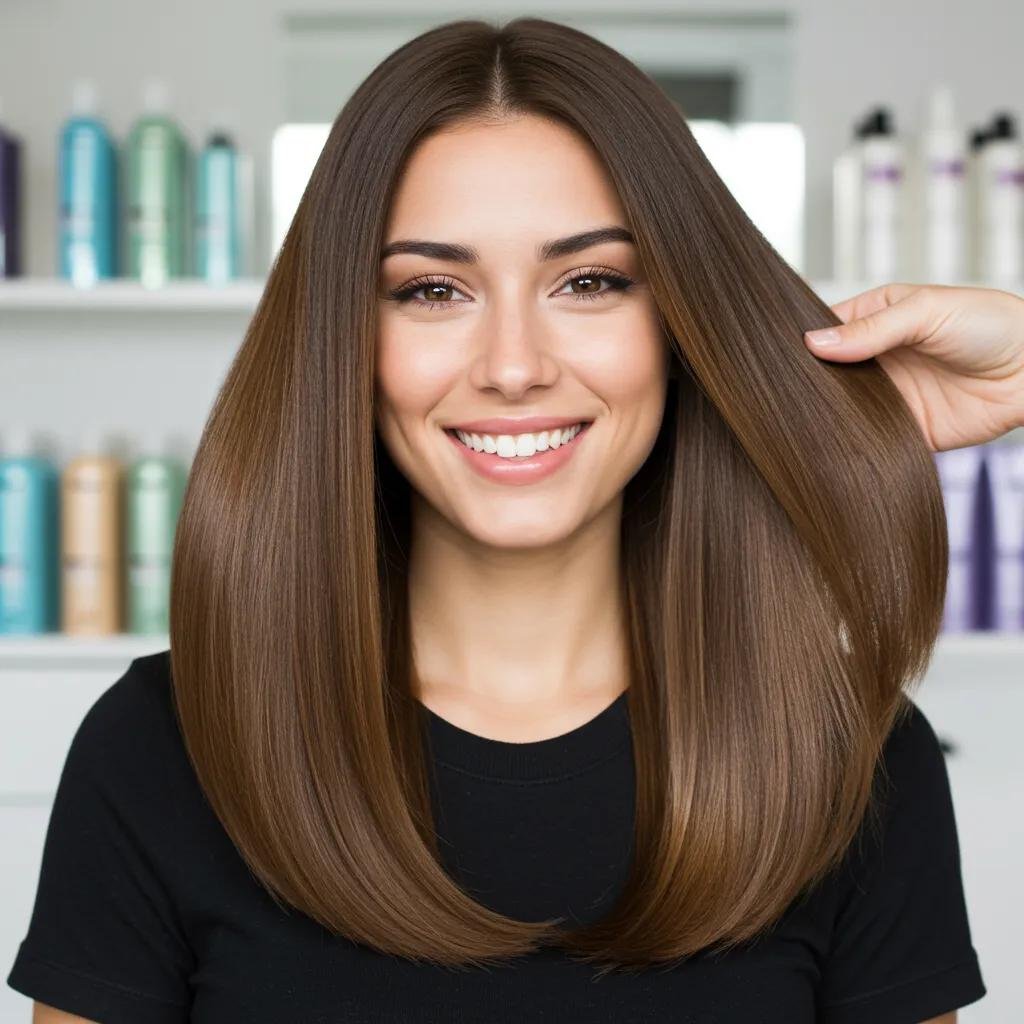
A keratin treatment smooths hair by infusing keratin proteins that reduce frizz, increase shine, and make styling easier. Proper keratin treatment aftercare protects those newly formed bonds, extends treatment life, and preserves the polished finish that clients expect. This guide explains why specific behaviors matter in the hours and months after a keratin smoothing service, and it maps out an easy-to-follow post-care routine that targets longevity and hair health. You’ll learn the critical 72-hour protocol, optimal washing habits, heat styling guidance, swimming and sun precautions, product recommendations, common mistakes to avoid, and concise answers to frequently asked questions. The recommendations incorporate current research and salon-tested practice so you can make informed choices about everyday care and special situations. Read on for step-by-step actions, curated product comparisons, and local guidance that connects expert advice to practical in-salon support.
How Long Should I Wait to Wash My Hair After a Keratin Treatment?
Waiting to wash hair after a keratin treatment gives the smoothing agents time to polymerize and bond with the hair cuticle, which preserves smoothness and longevity. This waiting window works because moisture and friction can interrupt bond formation, so delaying water exposure reduces early loss of effect and prevents premature frizz. Following the recommended timeframe produces noticeably longer-lasting results and saves time and cost on early touch-ups. Below we explain the chemistry behind the first 72 hours and provide immediate, practical do’s and don’ts to protect your investment in the treatment.
Why Is the First 72 Hours Crucial for Keratin Treatment Longevity?
The first 72 hours are crucial because the keratin coating undergoes a setting phase during which heat and moisture finalize the bond to the hair fiber. In plain terms, the product needs time to form stable attachments; water or pressure can interrupt that process and cause parts of the coating to wash or crease away. Protecting hair from humidity, rain, and excessive handling during this period reduces the chance of uneven smoothing and premature frizz. Understanding this mechanism helps explain why strict early care pays off with longer-lasting, shinier hair.
What Are the Do’s and Don’ts During the Initial 72 Hours?
Follow a short checklist of behaviors that prioritize gentle handling and dryness to protect newly set keratin. Do keep hair down and loose to avoid creases, sleep on a silk pillowcase, and carry a small umbrella or hood in wet weather. Don’t tie hair, use tight clips, tuck hair behind ears, or expose it to steam from hot showers and saunas. These specific actions reduce mechanical stress and moisture exposure that can disrupt bond setting, and following them reduces the need for corrective salon visits.
How to Protect Hair from Moisture and Styling Restrictions Early On?
When you must be active, use practical protective steps to maintain dryness and avoid styling pressure that interferes with the bond. Cover hair with a breathable scarf or lightweight hood in rain, delay workouts until after the 72-hour window, and use a gentle oil-free dry cleanser only in emergencies to absorb sweat near the scalp. If hair accidentally gets damp, gently blot and air-dry without rubbing; avoid using heavy serums that attract dust. These tactics help you navigate daily life while giving the keratin treatment the undisturbed time it needs to set fully.
What Are the Best Washing Habits to Maintain Keratin Treatment Results?
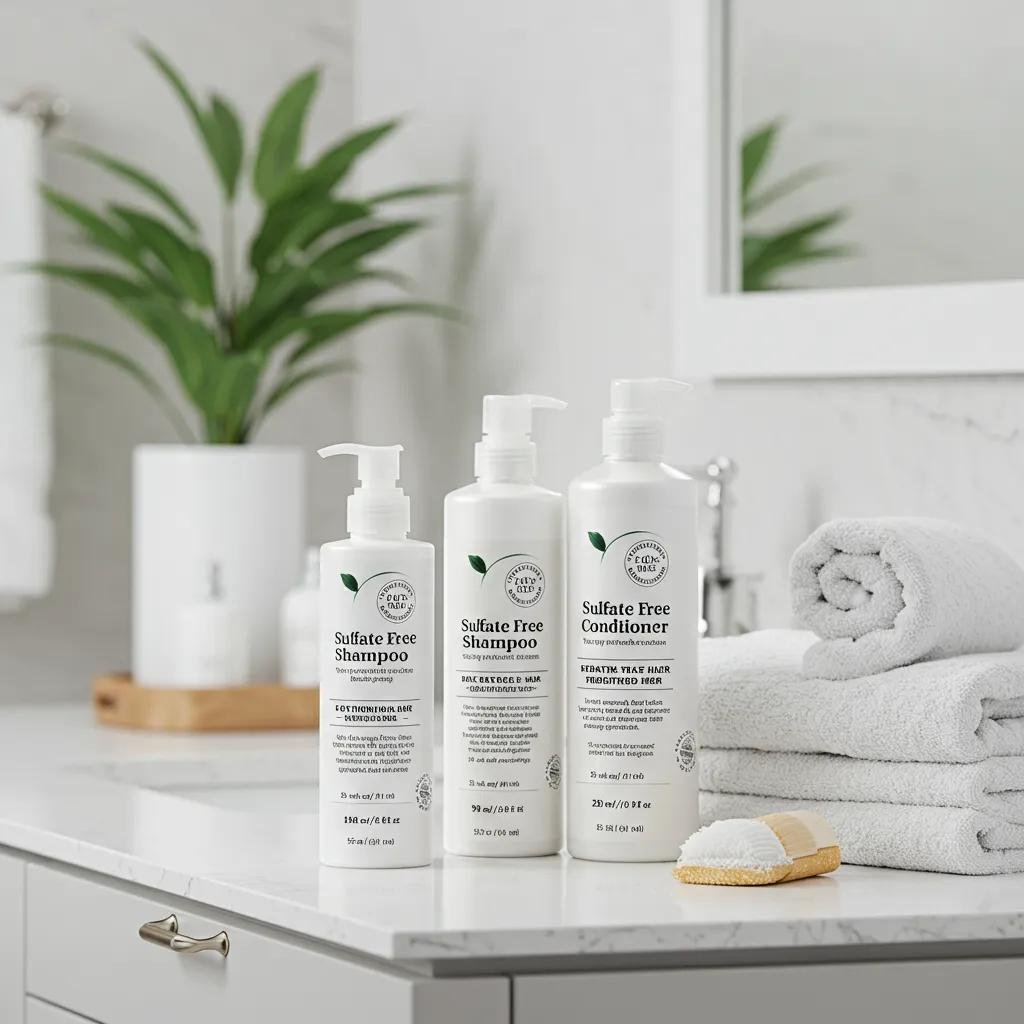
Maintaining keratin-treated hair depends on balanced washing habits that cleanse without stripping smoothing agents, preserving the treatment’s smoothing film and natural oils. Proper frequency and technique limit friction and chemical removal while keeping the scalp healthy, which supports overall hair appearance and prolongs results. Below we outline recommended washing frequency, useful washing techniques, and product attributes to prioritize or avoid, followed by a quick comparison table to help choose the best routine for your needs.
How Often Should You Wash Keratin-Treated Hair?
Aim to wash keratin-treated hair about 2–3 times per week as a baseline, which balances scalp hygiene with protection of the keratin layer. If you have an oily scalp, exercise equipment use, or heavy product buildup, adjust to more frequent washing but use gentle, sulfate-free formulas to compensate. Spreading washes across the week and using co-washing or diluted cleansers on off-wash days can maintain freshness without stripping. Tailoring frequency to lifestyle and hair type preserves smoothness while keeping the scalp comfortable.
Why Use Sulfate-Free Shampoo and Conditioner After Keratin Treatment?
Sulfate-free shampoos avoid harsh anionic surfactants that can strip keratin coatings and natural oils, which accelerates treatment fade and increases frizz. Look for labels advertising sodium-chloride-free or salt-free formulas because salt can break down smoothing polymers and reduce shine. Gentle surfactants and nourishing conditioners maintain the film that keratin creates and support long-term manageability. Choosing the right products reduces friction and chemical erosion of the treatment, so results remain glossy longer.
Before the table below, here’s a short explanation of the washing-frequency comparison and why it matters.
This comparison highlights that less frequent, targeted cleansing supports treatment longevity while adaptable techniques can accommodate active lifestyles.
List: Key washing technique steps to follow when you do wash keratin-treated hair.
- Rinse with lukewarm water before applying shampoo to loosen surface oils and residue.
- Apply a small amount of sulfate-free shampoo to the scalp and massage gently without rough rubbing.
- Condition mid-lengths to ends only, avoiding heavy contact with the roots to prevent buildup.
These steps reduce mechanical stress on the hair cuticle and maintain the keratin layer’s integrity. Following them consistently helps extend the smooth finish between salon visits.
After these washing guidelines, many clients ask about salon-recommended products and in-salon maintenance. Kylie Studio Salon in Bethesda, MD, offers personalized product guidance and maintenance options tailored to individual hair type and lifestyle. Ruth, the owner and primary stylist, provides consultative recommendations during appointments to help clients choose sulfate-free lines and in-salon treatments that complement home care. If you prefer professional support, schedule a consultation to align your at-home routine with salon protocols and reduce the need for early touch-ups.
How Can Heat Styling Affect Keratin Treatment and How to Protect Hair?
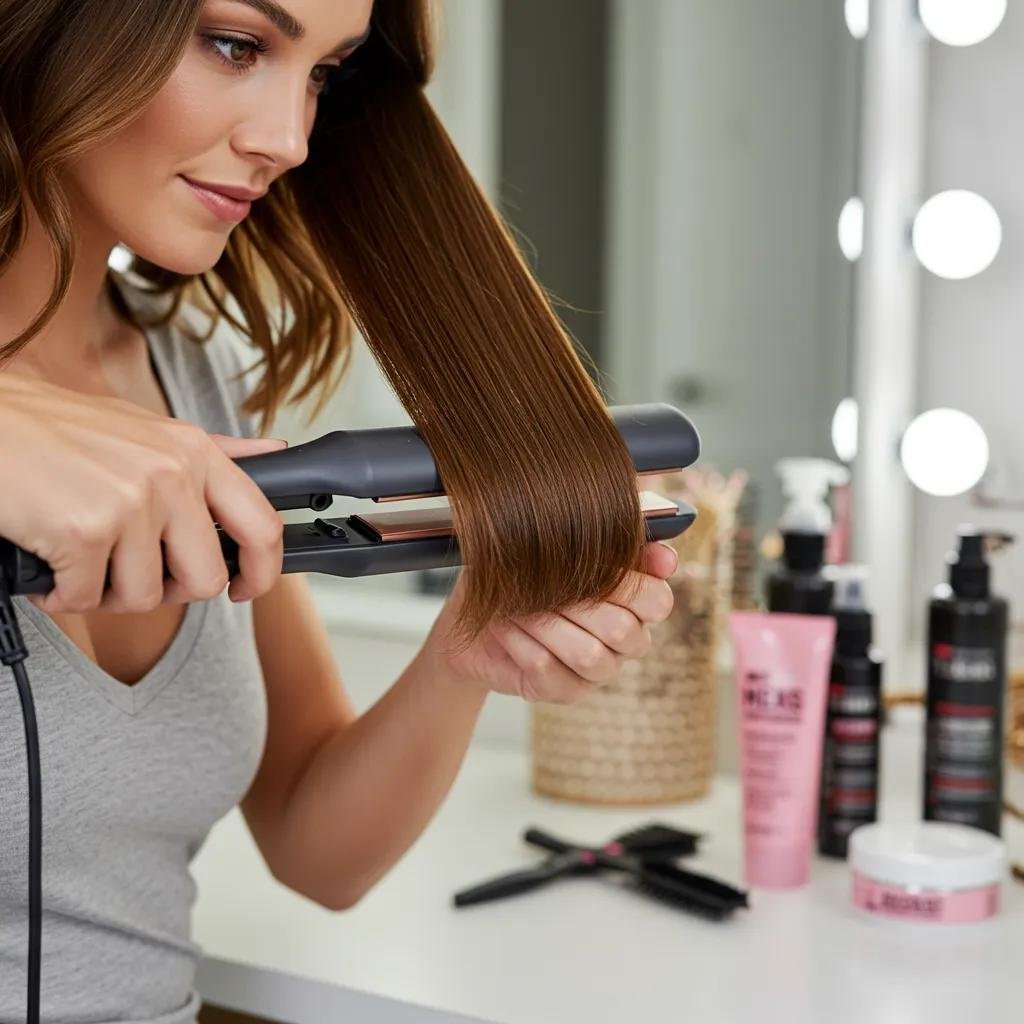
Heat styling influences keratin-treated hair by altering the treatment’s surface bonds and the hair’s moisture balance; controlled use can preserve benefits while excessive heat accelerates wear. Heat tools shape and seal hair but must be used with protective measures so that the keratin coating remains intact and hair stays healthy. The guidance below covers safe tool choices, proper application of heat protectants, and why cooler drying settings often produce better long-term results for treated hair.
What Heat Styling Tools Are Safe to Use on Keratin-Treated Hair?
Safe tools include ceramic or tourmaline flat irons and brushes with adjustable temperature controls that distribute heat evenly and reduce hot spots. Keep straighteners below medium-high temperature ranges recommended by your stylist—lower temperatures reduce thermal stress while still delivering smooth results, especially on fine or chemically treated hair. Avoid metal plates or excessively old tools that can spike temperatures unpredictably and damage the keratin layer. Selecting quality tools with accurate thermostats protects the treatment and hair fiber.
How to Properly Use Heat Protectants for Keratin-Treated Hair?
Apply a lightweight heat protectant to damp hair before using any hot tool, distributing it evenly from mid-lengths to ends to form a protective barrier. Use amounts appropriate for hair length—too little won’t protect and too much can weigh hair down—then gently comb to spread the product without rough friction. Reapply a small mist on dry hair when targeting sections for touch-ups, and always use the lowest effective temperature for styling. Proper protectant use minimizes direct heat contact with the keratin film and prolongs smoothing effects.
Why Is Using Cool Settings on Blow Dryers Recommended?
Cool or medium settings reduce thermal stress on the keratin-treated cuticle while the cool-shot feature can help set the style without additional heat damage. Though lower heat takes slightly longer, the trade-off preserves the keratin bond and reduces long-term dryness and breakage. Sectioning hair and using a nozzle to concentrate airflow improves efficiency so you can use cooler settings without sacrificing smoothness. Practicing these techniques makes salon results last longer and keeps the hair healthier between treatments.
List: Safe heat-styling habits to adopt after keratin treatment.
- Use temperature-controlled tools and prefer ceramic/tourmaline surfaces for even heat distribution.
- Apply and evenly distribute a lightweight heat protectant on damp hair before styling.
- Dry in sections on cooler settings, finishing with a cool shot to lock in the style.
These habits reduce cumulative heat stress and help maintain the smoothing benefits of your keratin treatment.
What Are the Best Practices for Swimming and Outdoor Exposure After Keratin Treatment?
Exposure to chlorine, saltwater, and UV light can chemically and physically degrade keratin coatings, so protective practices before and after outdoor activities are essential. Chlorine oxidizes keratin and stripping agents while salt draws moisture out of the hair fiber, both of which accelerate frizz and dullness. UV exposure weakens proteins and can intensify color fade. Below we outline safe timing for swimming, pre/post-swim rituals, and sun-protection measures to minimize treatment wear.
Can You Swim After a Keratin Treatment and How to Protect Hair?
Swimming is possible after a keratin treatment if you take deliberate precautions to prevent direct contact with chlorinated or salt water. Wait at least the initial 72 hours to allow bonds to set fully, and for subsequent swims, wet hair with fresh water and apply a leave-in barrier or oil before entering the pool or ocean. Use a swim cap and rinse immediately afterward with clean water, followed by a gentle sulfate-free shampoo and conditioning routine. These steps reduce absorption of damaging chemicals and salt, protecting the smoothing layer.
How Does Chlorine and Saltwater Affect Keratin Treatments?
Chlorine oxidizes organic proteins and strips oils, which can disrupt the keratin film and cause stiffness, dryness, and loss of shine; saltwater dehydrates hair and roughens the cuticle, making treated hair prone to frizz. Both agents change the hair’s pH and remove surface conditioning, accelerating treatment fade and color shift for colored hair. To minimize these effects, physically block or dilute exposure when possible and use targeted post-swim care to restore moisture and remove residues. Understanding these mechanisms clarifies why proactive protection is so important.
Before the table below, this comparison summarizes exposure types and practical protective measures.
This table clarifies how different exposures act on keratin-treated hair and which measures most effectively reduce harm.
List: Immediate post-swim steps to protect keratin-treated hair.
- Rinse thoroughly with fresh water as soon as you leave the pool or ocean to remove chlorine or salt.
- Apply a gentle sulfate-free cleanser to remove chemical residues, then condition the lengths.
- Use a restorative mask or leave-in treatment within 24–48 hours to replenish moisture.
Following these steps reduces cumulative damage and helps sustain the smooth, glossy finish of the treatment.
Which Products Are Recommended for Keratin-Treated Hair Maintenance?
Choosing products that complement keratin chemistry keeps the smoothing film intact, reduces frizz, and maintains shine; selection focuses on gentle cleansing, moisturizing support, and light protection. Effective maintenance involves a sulfate-free shampoo, a sodium-chloride-free conditioner, a lightweight leave-in barrier, and a heat protectant for styling. Below is a curated comparison table of product categories and why they matter, followed by application tips and a short note on dry shampoo safety.
What Are the Top Sulfate-Free Shampoos and Conditioners for Keratin Hair?
Look for shampoos and conditioners labeled sulfate-free and sodium-chloride-free with moisturizing agents like glycerin, panthenol, and botanical oils to support the keratin layer. Selection criteria prioritize gentle cleansing, residue-free conditioning, and ingredients that do not compete chemically with the smoothing polymer. Avoid clarifying shampoos with high detergent strength except when removing heavy buildup occasionally. Choosing the right pair reduces repeated stripping and prolongs the salon result.
Intro to the EAV-style product comparison table and why it helps.
How Do Leave-In Conditioners and Heat Protectants Support Treatment Longevity?
Leave-in conditioners form a thin protective layer that seals moisture into the hair fiber and reduces friction from brushing, while heat protectants create a thermal barrier that lowers peak surface temperatures during styling. Apply leave-ins on damp hair focusing on mid-lengths to ends and use heat protectants before any hot tool contact to prevent direct heat stress on the keratin film. Selecting lightweight, non-occlusive formulas ensures protection without weighing down hair or attracting buildup. Integrating both products into a routine extends smoothness and improves manageability between salon visits.
Are Dry Shampoos Safe for Keratin-Treated Hair?
Dry shampoos are appropriate for occasional use to delay washes, but heavy or frequent use can cause residue accumulation that weakens the keratin coating and dulls shine. Choose lightweight, residue-minimizing formulations and apply sparingly at the roots; follow up with a gentle cleanse within a couple of washes to prevent buildup. As an alternative, refreshing sprays or waterless sprays designed for treated hair can revive appearance without abrasive ingredients. Controlled, informed use of dry shampoo preserves treatment performance while extending time between wet washes.
List: Product selection checklist for keratin-treated hair.
- Choose sulfate-free and sodium-chloride-free cleansing systems labeled gentle or color-safe.
- Use lightweight leave-in conditioners and non-greasy heat protectants applied as directed.
- Limit clarifying treatments to occasional maintenance use only, and follow with deep conditioning.
After reviewing product choices, Kylie Studio Salon’s stylists, led by Ruth, can recommend specific product lines and dosages tailored to your hair texture and lifestyle during a consultation. Personalized recommendations at the salon ensure you select formulations that complement the in-salon keratin chemistry and reduce unnecessary product overlap.
What Common Mistakes Should Be Avoided to Prolong Keratin Treatment Results?
Avoiding a few frequent errors keeps the keratin layer intact and delays the return of frizz and loss of shine. Common mistakes include washing too soon, using harsh products, over-washing, and wearing tight hairstyles that crease treated hair. Each mistake either mechanically stresses the hair or chemically strips the smoothing film; correcting these behaviors yields measurable improvements in treatment longevity. Below are focused explanations and practical alternatives to common missteps.
Why Is Washing Hair Too Soon Harmful?
Washing hair too soon interrupts the finalization of keratin bonds by exposing the hair to moisture and agitation before the coating fully sets. The direct consequence is patchy smoothing, increased frizz, and a shorter overall lifespan of the treatment, often necessitating early touch-ups. Waiting the recommended 72 hours allows polymerization and reduces the risk of uneven results. Recognizing the cause-and-effect helps clients prioritize the initial aftercare window to protect their investment.
How Can Harsh Products and Over-Washing Damage Keratin Treatments?
Frequent use of sulfates, sodium chloride, high-alcohol styling products, or strong clarifying agents incrementally removes the keratin layer and depletes moisture from the hair shaft. Over time this cumulative stripping causes loss of smoothness, dullness, and increased breakage risk. Replace harsh items with gentler alternatives, adjust washing frequency, and use targeted clarifying only as necessary. These behavioral adjustments preserve the treatment and improve hair health simultaneously.
What Hairstyles Should Be Avoided After Treatment?
Tight ponytails, braids, buns, or any styles that crease or apply localized pressure should be avoided during the initial setting period and minimized long-term to prevent permanent creasing. Opt for loose, low-tension styles such as soft clips, gentle headbands, or loose buns that do not fold the hair sharply. Using silk scrunchies and low-tension accessories reduces mechanical deformation and supports an even, long-lasting smooth finish. Choosing low-tension styling options maintains sleekness without sacrificing convenience.
List: Simple behavior changes to protect keratin-treated hair.
- Delay tight hairstyles for at least the initial 72-hour setting window and prefer loose styles thereafter.
- Replace sulfated products with gentle, keratin-safe alternatives to prevent chemical stripping.
- Limit daily washing and adopt refreshing rinse or co-wash techniques when possible.
These small changes collectively increase the months of smoothness you get from each salon treatment.
Frequently Asked Questions
What Should I Avoid in Hair Products After a Keratin Treatment?
After a keratin treatment, it’s crucial to avoid products containing sulfates, sodium chloride, and high-alcohol content. These ingredients can strip the keratin coating and lead to premature frizz and dullness. Instead, opt for sulfate-free shampoos and conditioners that are gentle and moisturizing. Always check product labels for these harmful components to ensure you maintain the integrity of your treatment and prolong its effects.
How Can I Protect My Hair from Humidity After a Keratin Treatment?
Humidity can be detrimental to keratin-treated hair, causing frizz and loss of smoothness. To combat this, use anti-humidity serums or sprays that create a barrier against moisture. Additionally, consider wearing a hat or scarf when outdoors in humid conditions. Regularly applying leave-in conditioners can also help maintain moisture balance and protect against environmental factors that may disrupt the keratin layer.
Is It Safe to Use Hair Accessories After a Keratin Treatment?
While you can use hair accessories after a keratin treatment, it’s essential to choose them wisely. Avoid tight hair ties, clips, or bands that can create creases or stress the hair. Instead, opt for loose, soft accessories like scrunchies or fabric-covered bands that minimize tension. This approach helps maintain the smooth finish of your treatment while allowing for versatile styling options.
Can I Use Hair Masks After a Keratin Treatment?
Yes, you can use hair masks after a keratin treatment, but it’s important to choose the right type. Look for masks that are sulfate-free and designed for treated hair, as they will nourish without stripping the keratin layer. Avoid masks with high protein content immediately after treatment, as they can interfere with the keratin bonds. Instead, focus on moisturizing masks that enhance shine and hydration.
How Does Seasonal Weather Affect Keratin-Treated Hair?
Seasonal weather can significantly impact keratin-treated hair. In winter, dry air can lead to static and frizz, while summer humidity can cause the treatment to break down faster. To combat these effects, use hydrating products in winter and anti-humidity sprays in summer. Additionally, consider adjusting your hair care routine based on the season to maintain the treatment’s effectiveness and keep your hair looking its best.
What Should I Do If I Experience Frizz After a Keratin Treatment?
If you notice frizz after a keratin treatment, first ensure you’re using the right products, such as sulfate-free shampoos and conditioners. Additionally, avoid excessive heat styling and humidity exposure. If frizz persists, consider using a smoothing serum or leave-in conditioner to help tame flyaways. If issues continue, consult your stylist for personalized advice and potential touch-up options to restore smoothness.
Can I Color or Chemically Treat My Hair After a Keratin Treatment?
It’s generally recommended to sequence chemical services thoughtfully: many stylists advise waiting a short period after a keratin treatment before performing color or chemical services, or conversely doing color first then the keratin service. The optimal sequence depends on the formulation used and your hair’s condition, so consult a stylist—Ruth at Kylie Studio Salon can evaluate your hair and recommend a customized timeline. Professional assessment reduces the risk of unexpected reactions and preserves both color and smoothing benefits.
What Should I Do If My Hair Gets Wet During the First 72 Hours?
If hair becomes wet within the first 72 hours, act quickly by gently blotting with a soft towel and allowing hair to air-dry without rubbing or applying heat; avoid tying or manipulating the hair while it dries. Contact your salon for specific guidance—minor dampness often can be managed at home, while heavy saturation may require a professional check. Quick, gentle action minimizes disruption to the bonding process and reduces the likelihood of noticeable treatment loss.
How Often Should I Schedule Keratin Treatment Touch-Ups?
Typical touch-up intervals range by individual factors such as hair growth rate, texture, and lifestyle, but many clients return every 3–6 months for maintenance. Signs it’s time include increased frizz, loss of smoothness at the roots, or changes in manageability that require more frequent styling. Discussing your goals with a stylist helps create a personalized schedule; Kylie Studio Salon offers consultations to align touch-up timing with your routine and hair goals.
List: Signs you may need a keratin touch-up.
- Noticeable return of frizz or flyaways at the roots and crown.
- Increased styling time or difficulty achieving the previous smooth finish.
- Texture changes after seasonal exposure, frequent swimming, or heavy product use.
These cues help you plan maintenance appointments at intervals that suit your hair and lifestyle.
Kylie Studio Salon in Bethesda, MD, offers keratin smoothing services and consultative aftercare guidance to help clients maximize treatment longevity. Ruth, the owner and primary stylist, provides personalized product recommendations and maintenance plans during appointments, and the salon supports clients with in-salon maintenance options tailored to individual hair needs. To book a consultation or learn more about the Keratin Treatment service and online scheduling options, contact the salon directly for appointment availability and personalized advice.
Conclusion
Implementing effective keratin treatment aftercare is essential for maintaining smooth, shiny hair and prolonging the benefits of your salon visit. By following the recommended practices, you can protect your investment and enjoy lasting results while enhancing your hair’s health. For personalized guidance and product recommendations tailored to your unique hair type, consider scheduling a consultation with our expert stylists. Explore our services and book your appointment today to ensure your hair remains beautifully maintained.