Smooth & Frizz-Free Keratin Treatment in Bethesda, MD: Expert Hair Smoothing Solutions at Kylie Studio Salon
Keratin treatments are salon-only smoothing services that seal keratin protein onto the hair shaft to tame frizz, boost shine, and make hair easier to style—especially in humid places like Bethesda. This guide breaks down what keratin does at the hair-structure level, compares it with Brazilian Blowouts, and covers benefits, practical aftercare, and cost factors so you can plan for lasting results. You’ll learn how keratin affects the cuticle, which hair types see the biggest improvements, and which products and habits help preserve smoothness. We also offer decision tips for color-treated or damaged hair and a straightforward pricing overview to help you estimate what to expect. When helpful, we include the salon perspective so you can translate technical details into a confident booking choice locally.
What Is a Keratin Treatment and How Does It Transform Frizzy Hair?
A keratin treatment is a professional smoothing service that applies keratin proteins to the hair cuticle, then seals them with heat to create a flatter, more uniform surface and reduce moisture-driven swelling. The treatment coats the hair shaft and smooths lifted cuticle scales so hair absorbs less humidity, reflects light more evenly, and shows noticeably less frizz and more shine. Key benefits include quicker styling, improved manageability, and added protection from Bethesda’s humid spells. Knowing how the treatment works helps set realistic expectations about how long results last and what maintenance it requires—topics we cover next when discussing how keratin strengthens hair.
How Does Keratin Smooth and Strengthen Hair?
Keratin smooths and strengthens hair by depositing proteins that bond to the surface and temporarily reinforce weakened parts of the cortex, which reduces breakage and surface roughness. A clarifying shampoo removes buildup first so the keratin can adhere evenly; heat is then used to seal those molecules to the cuticle for a semi-permanent effect. That process lowers porosity, limiting the water uptake that triggers frizz in humid weather, and the result is shinier, silkier-feeling hair. These structural changes explain why treated hair often tangles less, styles faster, and needs less mechanical manipulation—helpful considerations when choosing between keratin and other smoothing services.
Who Is an Ideal Candidate for Keratin Treatments in Bethesda?
Keratin treatments work best for people with frizz-prone, coarse, or chemically treated hair who want reduced blow-dry time and a smoother finish while keeping some natural texture. If your hair is severely damaged, very fine, or otherwise fragile, talk with a stylist first—too much protein or heat can be problematic without a tailored plan. Color-treated hair is usually compatible with keratin, but timing and product choice matter to protect color vibrancy and avoid unwanted interactions. A professional consultation—covering hair history, elasticity tests, and your styling goals—will clarify whether full keratin smoothing, a lighter protein service, or a Brazilian Blowout is the best fit for you.
How Does the Brazilian Blowout Compare to Keratin Treatment for Frizz Control?
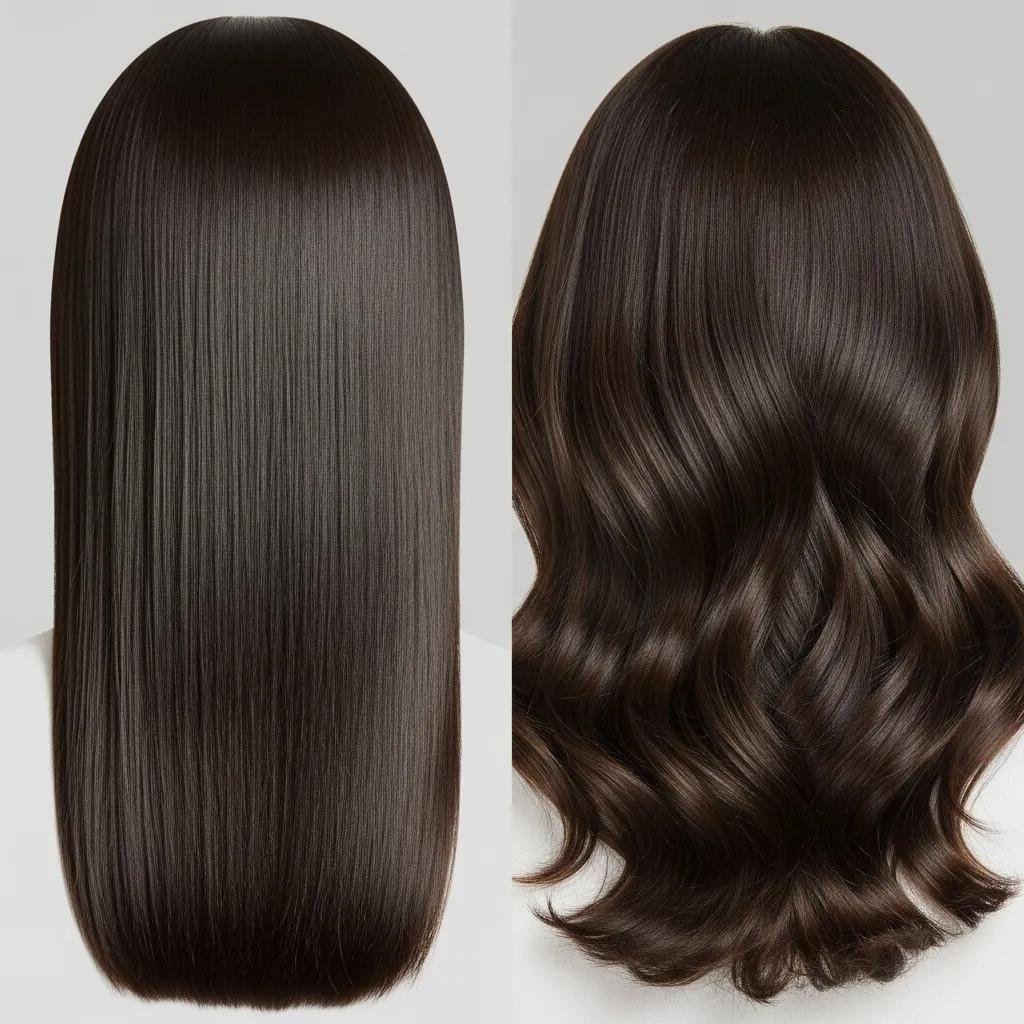
Both Brazilian Blowouts and keratin treatments are professional smoothing options, but they differ in formulation, the finished texture, and maintenance. A Brazilian Blowout often preserves more of your natural wave while still delivering solid frizz control, whereas some keratin services lean toward a sleeker, straighter finish. These formulation and process differences affect how much your hair’s natural pattern changes, how long results last, and how you style afterward. When choosing between them, think about whether you want near-straight hair or prefer to keep movement, and how much heat styling and specific aftercare you’re comfortable with. The comparison below highlights key attributes to help you decide which aligns with your hair and lifestyle.
This table contrasts the core attributes of the two treatments to make the differences clear.
What Are the Key Differences Between Brazilian Blowout and Keratin Treatments?
The main differences are the chemistry of the formulas, how much heat and ironing are used, and whether the goal is to preserve texture or move toward straighter hair. Brazilian Blowouts typically form a protective liquid coating that smooths and protects without fully restructuring the hair, while some keratin treatments pair protein infusion with a sealing iron pass that flattens the cuticle more. Both require a similar no-wash window (usually 48–72 hours), but upkeep, the amount of straightening, and post-care routines can vary. Knowing these distinctions helps you choose the service that matches your desired look and hair health priorities.
Which Hair Types Benefit Most from Each Treatment?
Very coarse, frizz-prone hair often sees the biggest difference from a smoothing keratin treatment focused on manageability and shorter blow-dry time. If you want to keep your wave or curl but reduce frizz, a Brazilian Blowout usually preserves movement while controlling frizz. Fine or over-processed hair needs careful evaluation—lighter formulas or staged approaches lower the risk of stiffness or protein buildup. Color-treated clients can often have either service, but we’ll manage product choice and timing to protect color. These pairings make it easier to match treatment choice to your texture and desired finish.
What Are the Benefits and Aftercare Tips for Long-Lasting Smooth Hair?
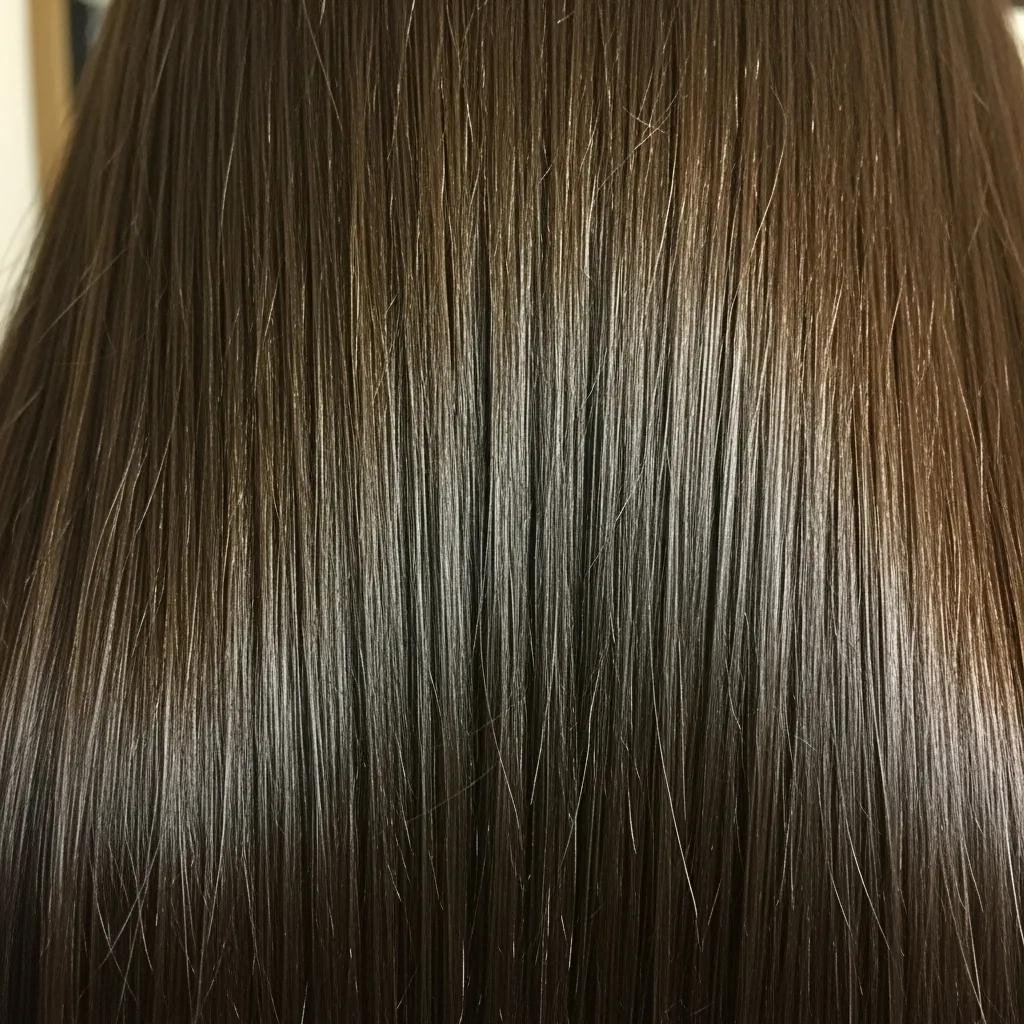
Keratin and other smoothing services deliver clear benefits: noticeably reduced frizz, faster styling, and enhanced shine that can last for months with proper upkeep. Those benefits usually mean less daily heat, fewer styling products, and a simpler routine—great for busy schedules. To protect your results, a simple aftercare plan focuses on the right shampoos, washing frequency, and heat-protection habits. The checklist below links benefits to practical actions so you can get the most value from your salon visit.
Keratin treatments provide these primary benefits and recommended care actions:
How Does Keratin Treatment Reduce Frizz and Enhance Shine?
Keratin tames frizz by sealing the cuticle and filling weakened areas of the cortex so the hair surface stays flatter and less porous—this reduces uneven light scattering and creates consistent shine. Right after treatment, hair looks sleeker and smoother; over the following weeks, the sealed cuticle helps prevent excess water uptake in humid weather, so frizz episodes drop. Clients also notice faster styling and fewer tangles, which reduces mechanical stress and breakage. Knowing that initial sheen is followed by sustained humidity resistance helps set realistic expectations for upkeep after the 48–72 hour setting window.
What Are the Best Practices to Maintain Your Keratin Treatment Results?
A dependable maintenance routine keeps the treatment working longer: choose sulfate-free, pH-balanced shampoos and conditioners to avoid stripping the protein seal, try to wash hair two to three times per week when possible, and always use a heat protectant before hot tools to protect the sealed cuticle. Schedule regular trims and book refresh treatments as your stylist recommends to manage new growth and keep texture even. These habits cut down on heavy styling products and make each salon visit more cost-effective over time.
Where Can You Get the Best Keratin Treatment and Hair Smoothing Services in Bethesda?
Picking the right local salon means checking stylist experience, the services offered, and practical conveniences like online booking and easy access. Look for salons that provide both keratin and Brazilian Blowout options so they can recommend what’s best for your hair, and review before-and-after photos and client reviews to judge consistency. In Bethesda, Kylie Studio Salon offers professional keratin and Brazilian Blowout services, online booking, and a convenient local location for follow-ups. A thorough consultation that covers your hair history and desired outcome will give you a personalized plan and a clear price estimate before you commit.
Why Choose Kylie Studio Salon for Your Keratin Treatment Needs?
Kylie Studio Salon in Bethesda offers both keratin and Brazilian Blowout services delivered by experienced stylists who start with an in-salon consultation to match the treatment to your goals. Owner and stylist Ruth brings hands-on expertise to recommend the right approach, and the salon provides easy online booking and local accessibility for follow-up. Positive client feedback and a visible portfolio help you preview likely results, and our range of smoothing options lets you choose how much texture you want to keep. These trust signals make it easier to decide with confidence.
How to Book Your Smooth & Frizz-Free Hair Consultation at Kylie Studio Salon?
Start by deciding the look you want—eliminating frizz, keeping waves, or going dramatically straight—and bring photos and a brief hair history to your consultation. When you contact us, mention any recent chemical services, color treatments, and sensitivities so we can select the right formula and timing. During your appointment we’ll quickly assess elasticity and porosity and recommend a personalized plan and price estimate. Coming prepared helps you and your stylist align on expectations before the service begins.
What Are the Costs and Options for Keratin Treatments in Bethesda, MD?
Keratin treatment prices vary with hair length and thickness, product formulation, and stylist expertise—Bethesda pricing reflects these variables and any add-on services that extend chair time. Common cost drivers include the amount of product for longer or denser hair, whether you choose a specialty or formaldehyde-free formula, and additional services like haircuts or toners. For an accurate quote, consult directly with your stylist; assumptions about time and materials can be misleading. The table below summarizes typical pricing factors to help you estimate where your appointment might land.
This table shows the main pricing variables and how they influence a typical session price.
What Factors Influence the Price of Keratin Treatments?
Price depends mainly on hair length and density, the formula chosen, time in the chair, and any add-on services like cuts or toners. Longer or thicker hair requires more product and ironing passes, which increases cost; specialty salon formulas and premium brands also raise material expenses. Senior stylists with specific smoothing expertise may charge higher rates for predictable results. Ask for a pre-service estimate that breaks down these factors so you can choose the right combination of services for your budget.
Are There Formaldehyde-Free and Organic Keratin Treatment Options Available?
Yes—formaldehyde-free and alternative smoothing formulas are available for clients who prefer gentler chemistry or have sensitivities. Performance can vary by brand: these options often reduce odor and exposure concerns but may differ slightly in longevity or application technique. At Kylie Studio Salon we offer several smoothing choices and will recommend products during your consultation to match your tolerance and desired result. Discussing formulation preferences with your stylist ensures a safe, effective selection for your hair and lifestyle.
How Does Local Climate Affect Frizz and How Can Keratin Treatments Help?
Bethesda’s humid stretches increase hair porosity and lift the cuticle, which leads to frizz as individual fibers absorb moisture and swell. Understanding this local effect explains why smoothing treatments can be especially helpful here. Keratin combats humidity-driven frizz by lowering porosity and sealing the cuticle so hair resists moisture-driven expansion and looks more consistent throughout the day. Local tips—product picks, refresh timing, and styling routines—help residents keep hair smoother year-round. The next sections explain the science behind humidity-driven frizz and how keratin treatments reduce those effects.
Why Is Frizz More Common in Bethesda’s Humid Climate?
Frizz spikes in humid conditions because hair acts like a hygroscopic material: increased moisture in the air penetrates the cortex, causing fibers to expand and the cuticle to lift, which scatters light and creates uneven texture. Seasonal humidity peaks in late spring and summer make this more noticeable, and daily humidity swings can change your hair’s look from morning to evening. People with higher hair porosity experience more dramatic frizz because their cuticles are already more prone to lifting. Knowing these local patterns helps you time treatments and product use to stay smooth when humidity climbs.
How Do Keratin Treatments Combat Humidity-Induced Frizz?
Keratin treatments fight humidity-induced frizz by filling and sealing the cuticle, lowering the hair’s capacity to absorb moisture and stabilizing fiber expansion under wet conditions. In practice, treated hair shows less day-to-day fluctuation in texture, making styling easier and cutting down on product touch-ups during humid spells. For best results in Bethesda, pair your salon smoothing with anti-humidity serums and sulfate-free maintenance shampoos that won’t strip the protein seal. Regular refresh treatments and consistent home care make keratin a practical, long-term solution for local frizz control.
Frequently Asked Questions
1. How long does a keratin treatment typically last?
Most keratin treatments last about 8 to 12 weeks, depending on your hair type, the product used, and how well you maintain it at home. Following our aftercare recommendations—sulfate-free shampoo, reduced washing, and careful heat styling—can help extend those results. Individual outcomes vary, and periodic touch-ups keep your hair consistently smooth.
2. Can I get a keratin treatment if I have color-treated hair?
Yes—color-treated hair can usually receive keratin treatments. That said, timing and product selection matter to preserve color vibrancy and avoid unwanted interactions. We often recommend waiting a couple of weeks after coloring before smoothing, and we’ll choose a formula that complements your color during your consultation.
3. What should I avoid after getting a keratin treatment?
After a keratin service, avoid washing your hair for at least 48 to 72 hours so the treatment fully sets. Also skip tight hair ties, clips, or styles that create dents during that window, and avoid chlorinated pools and excessive moisture that could weaken the treatment prematurely.
4. Are there any side effects associated with keratin treatments?
Keratin treatments are generally safe, but some people may notice temporary stiffness or react to specific ingredients. Overuse or improper application can cause protein overload, which may make hair feel brittle. Tell your stylist about any allergies or sensitivities so we can choose the safest, most suitable formula for you.
5. How often should I schedule touch-up treatments?
Touch-ups are commonly scheduled every 8 to 12 weeks, depending on your hair growth and how you care for your hair. Lifestyle factors like frequent heat styling or heavy sun and humidity exposure can affect timing, so your stylist will recommend a personalized refresh schedule.
6. Can keratin treatments help with hair damage?
Keratin treatments can improve the appearance of damaged hair by filling gaps in the cuticle and adding a protective layer, which reduces breakage and boosts shine. They’re not a permanent fix for severe damage—pairing smoothing with regular trims and nourishing treatments gives the best long-term results.
7. What is the difference between a keratin treatment and a smoothing treatment?
A keratin treatment specifically uses keratin protein to reduce frizz and increase shine, while “smoothing” can describe a range of services and ingredients with similar goals. Smoothing options vary in chemistry and effect, so a consultation helps determine which method best meets your desired outcome and hair type.
Conclusion
Keratin treatments are a reliable way to control frizz, boost shine, and simplify styling for many hair types—especially in humid climates like Bethesda. Understanding benefits, aftercare, and how treatments compare helps you choose confidently. If you’re ready to try smoother, more manageable hair, book a consultation at Kylie Studio Salon. Our stylists will create a personalized plan so you leave with the look and longevity you want.