
Keep Your Color Vibrant: Salon-Approved Care for Color-Treated Hair
Colored hair needs thoughtful care to protect the dye, smooth the cuticle, and keep moisture balanced. This guide breaks down what makes color-treated hair different, the everyday habits that speed fading, and the product features and salon services that actually extend color life. You’ll get clear at-home routines—how often to wash, ideal water temperature, and styling tips—plus product categories like sulfate-free shampoos, color-depositing masks, and heat protectants that help reduce color loss. We also explain in-salon options—glosses, toners, bond builders, color correction, and balayage—and when it’s time to book a professional. Practical keywords such as color treated hair care, sulfate free products, fade protection shampoo, and salon treatments for vibrant hair color are woven through the steps you can start using now, whether your shade is red, blonde, or a fashion color. Local readers will also find how Kylie Studio Salon and Ruth’s one-on-one consultations support these routines and where to book a consultation in Bethesda, MD.
Why Color-Treated Hair Needs Different Care
Putting color on your hair changes its surface and how it reacts to the world. Coloring and bleaching lift the cuticle and place pigment closer to the hair’s cortex, which increases porosity and makes dye more likely to be lost from washing, heat, or environmental stress. Targeted care protects the color molecules and helps reseal the cuticle so shine and tone last longer. Once you grasp that lifting the cuticle is part of the process, it’s easier to see why everyday products and routines made for natural hair can unintentionally speed up fading—and why specific ingredients and habits make a measurable difference.
How Coloring Changes Hair Structure and Color Retention
Coloring lifts the cuticle, deposits new pigment, and in many cases removes some natural melanin, which raises porosity and changes texture. Lightening creates a more open cuticle that loses moisture and lets pigment wash out more easily; red tones often fade faster because their pigment molecules sit nearer the surface. Aftercare with acidic pH products and conditioning helps close the cuticle, restoring shine and slowing pigment escape. Practically speaking: toned blondes benefit from purple shampoo and regular glossing to control brass, while red shades need gentler cleansing and more frequent color-depositing touch-ups to keep intensity.
What Causes Hair Color to Fade?
Color fades through a mix of chemical, mechanical, and environmental factors. Strong surfactants like sulfates strip surface-bound pigment, high heat lifts the cuticle and accelerates dye loss, and UV exposure oxidizes and dulls color. Hard water and chlorine can alter tone and create buildup, while frequent washing and hot water physically remove pigment faster than cooler, less frequent rinses. The good news: many of these causes are manageable by choosing the right products and tweaking daily habits—steps we cover next so you can protect your salon color.
Different strategies target specific fade causes—below we outline the product categories and features trusted in salon practice to preserve vibrancy.
Which Sulfate-Free and Color-Safe Products Best Protect Hair Color?
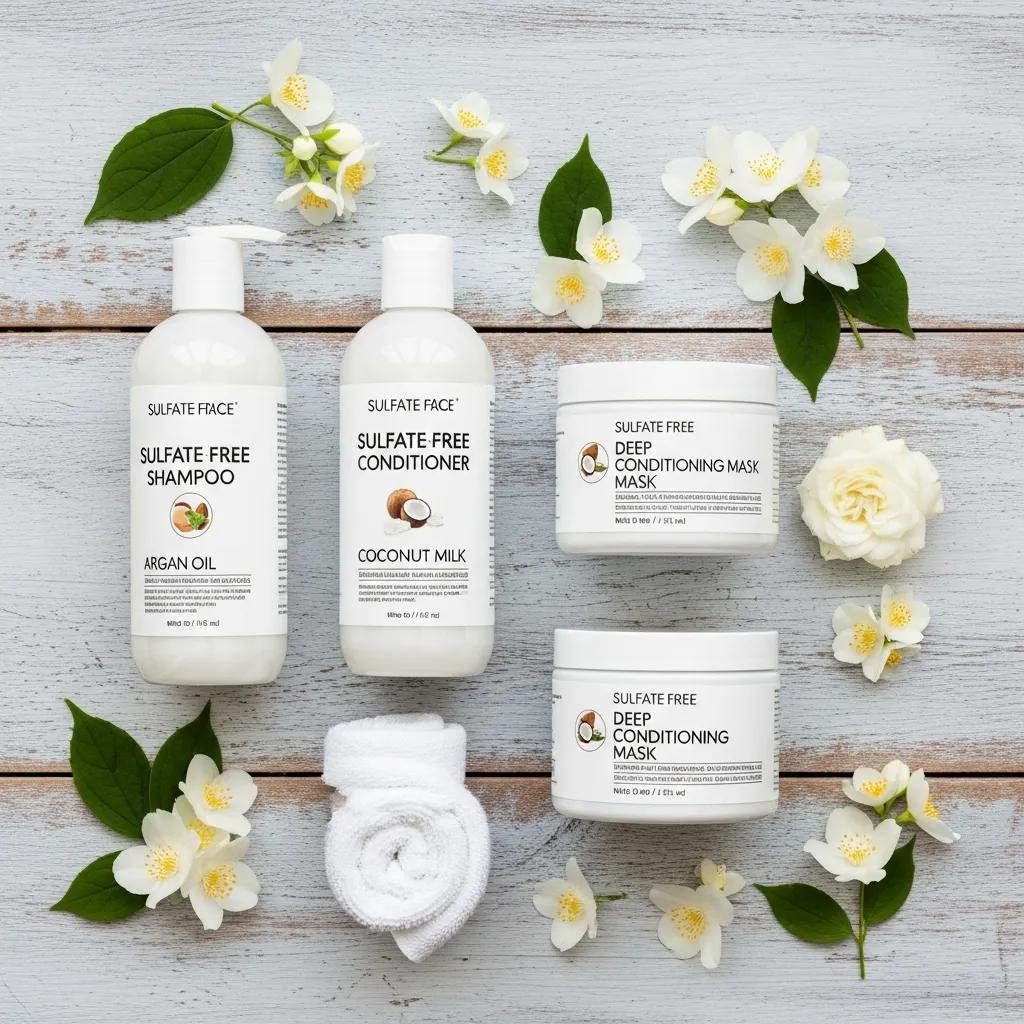
Color-safe products focus on gentle surfactants, acidic pH balance, UV protection, antioxidants, and bond-building ingredients that defend both pigment and cuticle health. The core categories to include are sulfate-free shampoo, a color-safe conditioner, a deep-conditioning mask, a reliable heat protectant, and occasional color-depositing treatments. When shopping, look for sulfate-free cleansing systems, pH-balancing acids, UV filters, amino-acid or keratin-based bond builders, and pigments in masks or primers that refresh tone between salon visits.
Intro to product comparison table: The table below contrasts common color-safe product categories by their main feature and the benefit they give your color.
Combining gentle cleansers, sealing conditioners, and occasional pigment refreshes creates a layered defense against fading in both humid and dry conditions.
How do these products work at the surfactant level? The next section explains sulfate-free chemistry and gives practical usage tips.
How Sulfate-Free Shampoos Help Prevent Color Loss
Sulfate-free shampoos swap harsh ionic surfactants like SLS for milder amphoteric or nonionic surfactants that lift oil and dirt without forcing the cuticle wide open. In practice, gentler surfactants mean fewer and smaller cuticle lifts during washing, which reduces mechanical and chemical removal of pigment. For best results, focus shampoo on the scalp, use conditioner mainly on mid-lengths and ends, and save clarifying treatments for when buildup actually requires them. Less aggressive cleansing and better moisture retention directly support longer color life by keeping the hair surface smoother and less porous.
Why Deep Masks and Heat Protectants Matter
Deep conditioning masks restore moisture, replace lost protein, and smooth the cuticle—lowering porosity so pigment stays put and shine improves. Bond-building treatments with amino acids or keratin derivatives reconnect weakened internal links, making hair stronger and less likely to shed dye when styled. Heat protectants create a barrier on the surface and reduce heat transfer from tools, which limits cuticle lift and thermal oxidation of color. For color-treated hair, aim to mask weekly or biweekly depending on porosity and always use a heat protectant before any hot tools to protect both structure and tone.
Together, sulfate-free cleansing, regular masks, and consistent heat protection are the core at-home strategy for keeping salon color vibrant between visits.
How to Prevent Hair Color Fading with a Simple Daily Routine
Small routine changes—how often you wash, the water temperature you use, styling heat choices, and weekly maintenance—have the biggest cumulative impact on color longevity. A reliable routine emphasizes gentle cleansing, sealing conditioning, reduced heat exposure, and targeted pigment refreshes timed to your color type. Below are practical weekly habits you can adopt, plus dos and don’ts that work for active lifestyles like swimming or frequent travel.
This numbered routine lays out typical weekly habits that minimize fade and support healthy hair structure.
- Wash 2–3 times per week with a sulfate-free, color-protecting shampoo and condition mid-lengths to ends.
- Rinse with cool to lukewarm water to help close the cuticle and limit dye loss during the shower.
- Use a deep-conditioning mask once a week on porous or chemically treated hair to rebuild moisture and reduce porosity.
- Always apply a heat protectant before using hot tools and set tools to moderate temperatures rather than the maximum.
- Between washes, refresh roots with a color-safe dry shampoo or a light color-depositing product to stretch time between full washes.
These steps reduce cuticle lift and avoid unnecessary stripping; when paired with protective products they noticeably extend salon color life.
Ideal Washing Frequency and Water Temperature for Dyed Hair
Balance oil control with color preservation: most color-treated clients do best washing 2–3 times weekly, adjusting for oily scalps or very active routines. Washing less often reduces cumulative surfactant exposure and friction that dislodges pigment; dry shampoo can help when you need extra freshness. Cooler, lukewarm rinses help close the cuticle and lock color in—hot water opens the cuticle and speeds fading. Making small changes to frequency and rinse temperature usually shows visible benefits to vibrancy over a few weeks.
Styling and Drying Tips That Protect Color
Your styling choices add up. Whenever possible, let hair air-dry; when you must use heat, apply a protectant and choose lower temperatures suited to your hair type. Techniques like tension-free blow-drying, working in sections for even heat, and finishing with a cool blast help close the cuticle and boost shine. Protective styles—loose buns or braids—reduce friction and sun exposure, both of which can strip pigment during active months. Applied consistently, these habits preserve both color and hair health over time.
Which Professional Salon Services Help Keep Color Vibrant?
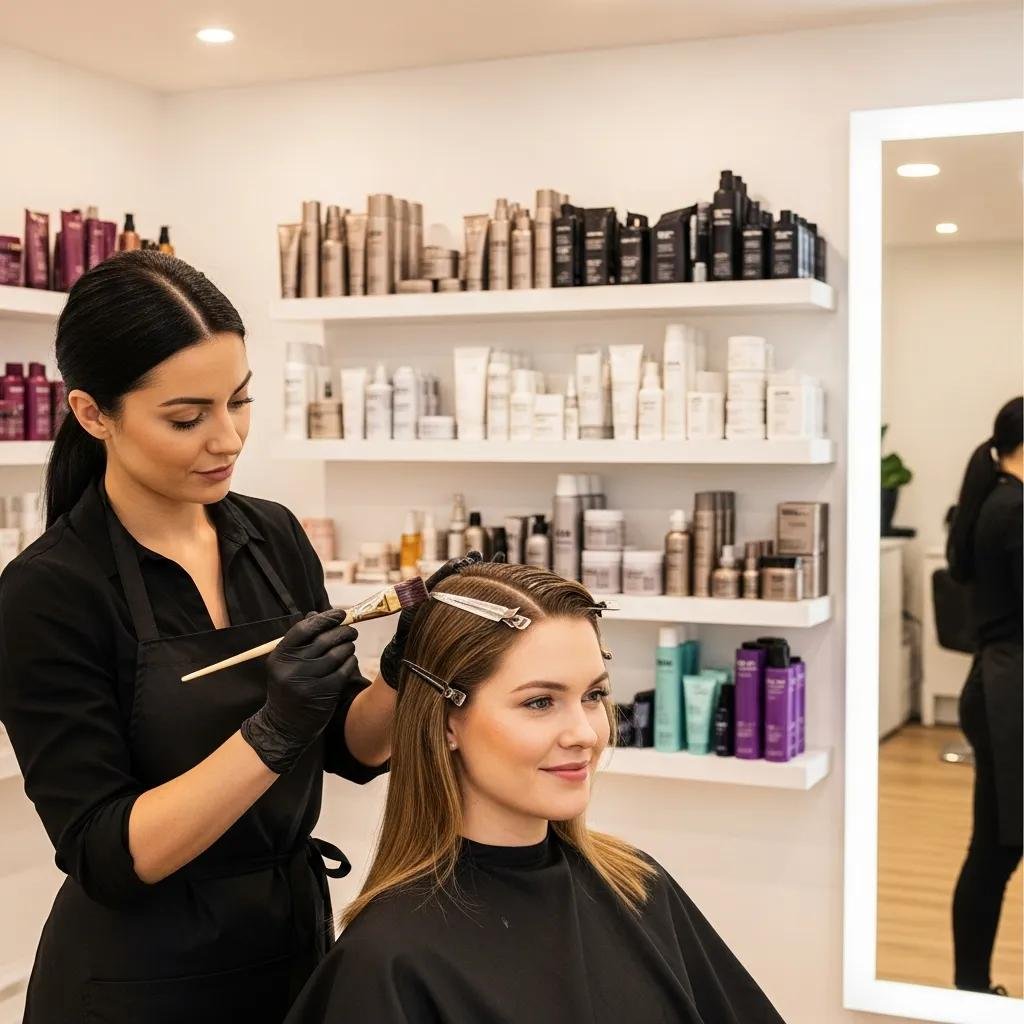
Salon treatments tackle color drift, porosity, and structural damage with targeted services you can’t fully replicate at home. Glosses and toners refresh surface color and neutralize warmth, bond-building treatments repair internal damage and restore elasticity, and services like color correction or balayage redirect or simplify a color plan. Professional products and precise application allow pH adjustments and targeted pigment placement that regularly outperform consumer options when it comes to longevity.
Intro to service comparison table: Below is a quick summary of common salon services, what they focus on, and the realistic timeframe for results.
Professional services complement at-home care by addressing structural and tonal issues that products alone can’t fully resolve.
How Glosses and Toners Help Your Color Last Longer
Glosses lay down a semi-permanent color layer and adjust pH to smooth the cuticle, giving instant shine and a refreshed hue. Toners specifically target unwanted warmth or brass—especially on blondes—using counteracting pigments to restore the intended tone. Expect a noticeable improvement for several weeks; pairing salon glosses or toners with color-safe home care keeps results until your next visit. Regularly scheduled glossing or toning, as advised by your stylist, maintains depth and reduces the need for stronger corrective services.
When to Book Color Correction or Choose Balayage
Book a color correction if you have patchy color, major tone shifts, or are changing hues in ways home kits can’t safely handle. Signs like uneven saturation, severe brassiness, or multiple prior processes mean a staged professional plan—often with strand testing and bond-building prep—is the safest route. Balayage is a great option for lower-maintenance, dimensional color because its softer grow-out hides roots and needs fewer touch-ups. In complex cases, a consultation will outline the safest timeline and combination of services to reach your goal with the least damage.
After reviewing professional options, many clients want a local recommendation—below we explain how Kylie Studio Salon supports color care and booking for Bethesda clients.
How Kylie Studio Salon Helps You Keep Color Looking Fresh
Kylie Studio Salon in Bethesda is both a service space and a resource for clients who want a practical, sustainable color plan. Under Ruth’s guidance, the salon focuses on consultation-led color work—pairing glossing, toning, balayage, and correction with clear aftercare tailored to each client’s hair history and lifestyle. The goal is to protect hair integrity while maximizing color longevity through appropriate products and scheduled touch-ups that fit your routine. Bethesda clients also get local tips for sun and pool season and easy scheduling to keep color on point.
Salon color services and how they support lasting vibrancy:
- Personalized color consultations: a clear plan that maps services to your maintenance habits.
- In-salon glossing and toning: treatments to refresh tone and seal the cuticle for extra shine.
- Color correction and balayage: professional, multi-step services to correct or transition color with minimal damage.
These services combine professional treatments with at-home guidance to create a cohesive maintenance plan that protects vibrancy between visits.
What Makes Ruth’s Personalized Consultations Stand Out?
Ruth runs consultations with attention to your hair history, realistic maintenance expectations, and strand testing to choose the right formulas and techniques. She builds a practical service cadence and recommends color-safe product attributes—like sulfate-free cleansers, acidic pH conditioners, and bond-building masks—to support salon results at home. Clients leave with clear, lifestyle-minded aftercare instructions, whether they swim often or style with heat daily. Ruth’s hands-on approach turns technical color care into an easy-to-follow plan.
How Bethesda Clients Benefit from Local Color Services
Being local to Bethesda means convenient follow-ups, climate-aware advice for sun and pool season, and easy product restocks between appointments. The salon’s location makes touch-ups and quick fixes simple, and practical booking options help you keep a consistent maintenance rhythm. For anyone in Bethesda after lasting, vibrant color, the combination of tailored salon services and localized advice offers the best chance of long-term results.
Book Your Color Consultation: To schedule a personalized color consultation or discuss glossing, toning, balayage, or color correction, call Kylie Studio Salon at 301-922-7864 or visit us at 4711 Montgomery Ln, Suite 2, Bethesda, MD 20814. We also carry select color-safe products in-salon to support your maintenance plan.
Frequently Asked Questions
Which ingredients should I look for in color-safe hair products?
Look for gentle surfactants (amphoteric or nonionic) that cleanse without stripping color, plus UV filters and antioxidants to protect against sun and environmental damage. Bond-building ingredients like keratin or amino acids help strengthen hair, and pH-balanced formulas help seal the cuticle for better shine and color retention. These combined features keep color looking fresher for longer.
How often should I schedule salon treatments to maintain color?
Frequency depends on your hair and lifestyle. Many clients benefit from glossing or toning every 4–6 weeks to refresh tone. If your hair is very porous or you use heat a lot, bond-building treatments every 1–3 visits can help rebuild strength. Your stylist can recommend a schedule that fits your goals and routine.
Can I use regular hair products on color-treated hair?
Regular products often contain sulfates and harsher ingredients that can speed fading and damage the cuticle. For best results, choose products formulated for color-treated hair—gentler, pH-balanced, and protective—to keep color and shine intact. Always check labels for color-safe claims.
What should I do if my color-treated hair feels dry or brittle?
Address moisture and protein balance: add a deep-conditioning mask once a week to restore hydration, and choose bond-building formulas if the hair is weak. Cut back on heat styling, and always use a heat protectant when you do style. If dryness persists, book a consultation for targeted salon treatments and personalized product recommendations.
How can I protect my color while swimming?
Wet your hair with fresh water before entering the pool or ocean to reduce absorption of chlorine or salt. Use a leave-in conditioner or a swim cap for added protection, and rinse immediately after swimming with fresh water followed by a color-safe shampoo and conditioner. Regular masking helps restore moisture after swim season.
What are the signs I need a color correction?
Seek color correction if your color is patchy, has shifted to an unwanted tone, or if at-home fixes haven’t worked. Severe brassiness, uneven saturation, or the results of multiple previous color attempts are all indicators that a staged professional approach is needed. A stylist will assess your hair and recommend the safest plan to reach your desired result.
Final Thoughts
Keeping color-treated hair vibrant is achievable with the right combination of salon treatments and at-home care. Understand how coloring changes hair, adopt gentle routines, and use targeted products to protect tone and shine. For personalized guidance and expert services, schedule a consultation at Kylie Studio Salon—our team will create a care plan that fits your hair and lifestyle. Explore our color-safe products and professional treatments to keep your color looking its best.