Hair Gloss vs. Toner — The Practical Guide to Shine and Color Correction
Glosses and toners both refresh color and improve how hair looks and feels, but they do very different jobs. A gloss gives surface shine and conditioning; a toner targets underlying pigment to neutralize brassiness. This guide walks you through how each treatment works, when to choose one over the other, and simple care tips to keep your color looking fresh between visits. You’ll learn the science behind each service, common results and how long they last, when it’s safe to combine them, and why a professional consultation matters. Many clients ask whether a gloss can fix yellow tones or whether a toner will boost shine — we clear up those trade-offs and share real-world examples for blondes, brunettes, and highlighted hair. You’ll also find comparison charts, quick decision lists, and details about the gloss and toner services we offer at Kylie Studio Salon in Bethesda, including personalized consultations with Ruth to match the right service to your hair goals.
What is Hair Gloss? Benefits and How It Enhances Shine
Hair gloss is a semi-permanent glaze that sits on the hair’s surface, adding subtle pigments while sealing the cuticle to boost shine and smoothness. The formula combines color-depositing molecules with a smoothing layer that evens light reflection, producing immediate vibrancy without permanent color change. Glosses are low-damage because they don’t lift your natural pigment; instead, they refresh and enhance what you already have while improving manageability. Knowing this helps you decide whether a gloss is the quick, gentle fix for dull or faded color before considering stronger corrective services.
Each gloss option lets your stylist balance immediate shine with gentle color refresh. The section below explains what the formula does at the hair-fiber level and why the results feel both visible and gentle.
How Does Hair Gloss Work to Refresh Color and Condition Hair?
A gloss refreshes color by depositing tiny pigment molecules that sit on — or just inside — the outer cuticle rather than changing the cortex. At the same time, it smooths and seals cuticle scales to reduce surface irregularities, which increases light reflection and perceived shine.
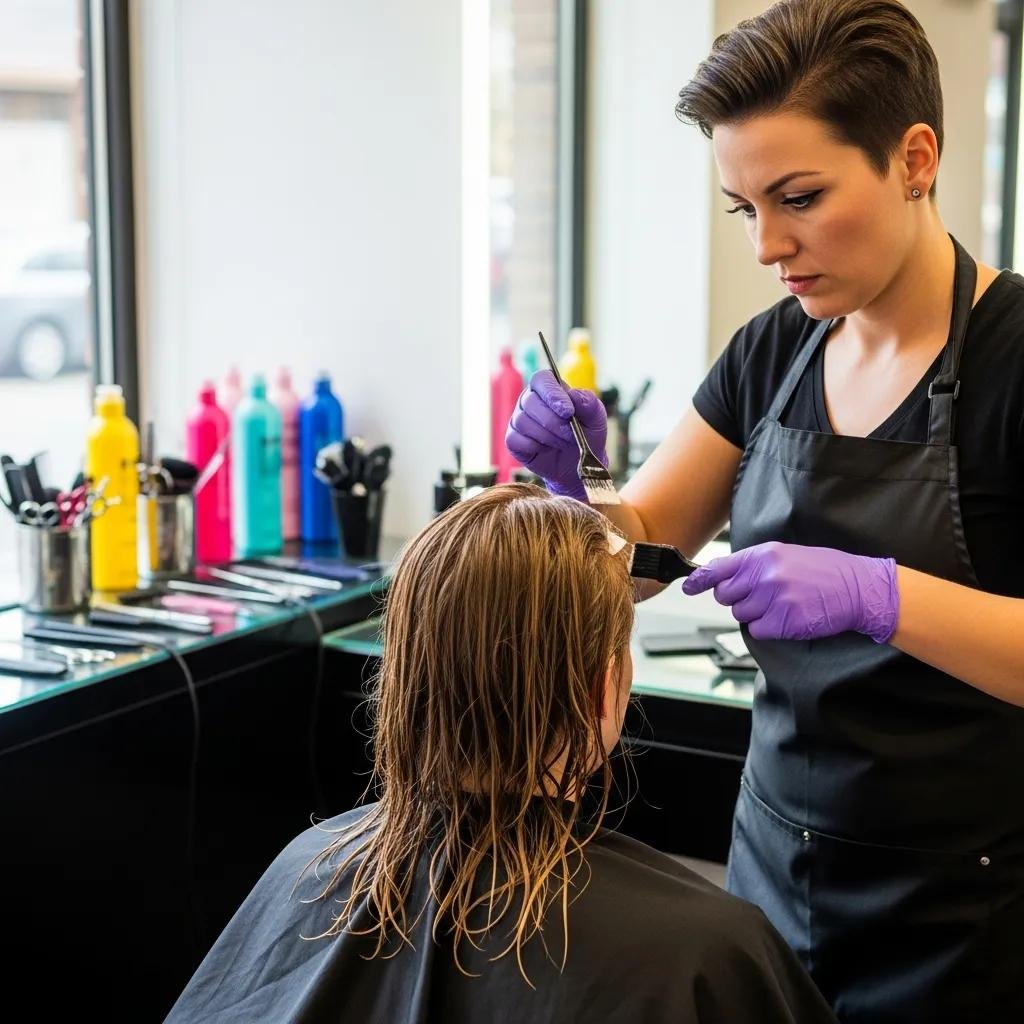
In the salon, your stylist assesses your current tone, selects a clear or tinted gloss, applies it to clean, towel-dried hair, and times the glaze to reach the desired vibrancy. The service finishes with a rinse and smoothing technique so your hair comes out glossier, softer to the touch, less frizzy, and with extended color life until your next wash.
What Are the Key Benefits of Hair Gloss Treatments?

Here are the main benefits gloss treatments deliver and how they apply to common hair needs.
- Instant shine and smoothness: Gloss seals the cuticle and evens the hair surface for a visibly glossy finish.
- Color refresh between dyes: Tinted glosses deposit gentle pigment to revive faded tones without full color processing.
- Reduced frizz and easier styling: Conditioning ingredients reduce flyaways and improve manageability.
These qualities make gloss an ideal, low-risk option for clients who want better-looking, easier-to-style hair. If you prefer predictable results, professional application at Kylie Studio Salon includes a consultation and straightforward online booking to match your goals with the right gloss.
What is Hair Toner? Uses and Role in Correcting Brassiness
Toner is a color-depositing formula used mainly after lightening to neutralize unwanted warm undertones and refine the final shade. It relies on color theory — opposite hues cancel each other — so purple cancels yellow, blue cancels orange, and so on. Toners are chosen to counter the underlying pigments revealed by bleaching or highlighting and are mixed to achieve a neutral or cooler finish without overprocessing. The table below maps common toner choices to the undertones they address and typical salon use-cases.
Knowing how toner shades affect underlying pigment helps set realistic expectations for color shifts. The next section breaks down the color theory behind toners and gives practical examples.
How Does Hair Toner Neutralize Unwanted Hair Tones?
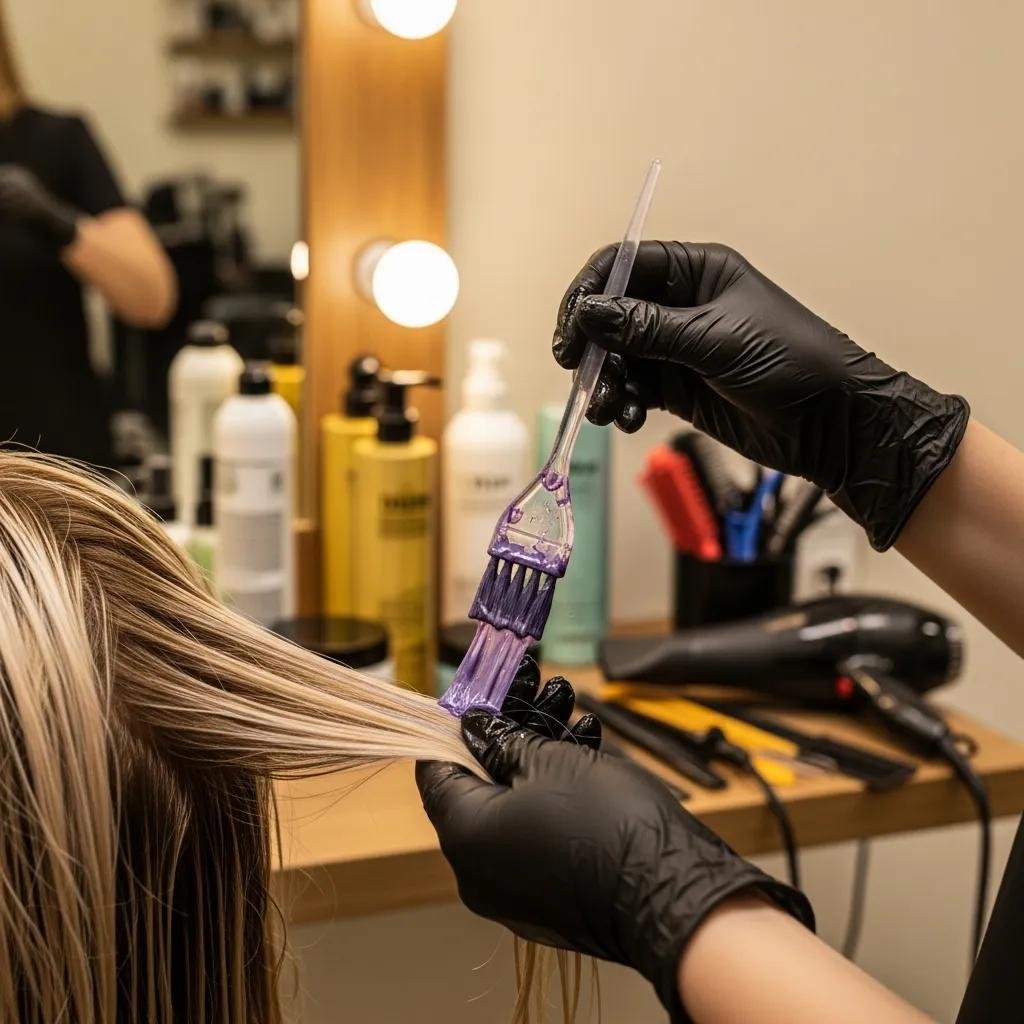
Toner adds pigments that sit on top of lifted hair tones and neutralize specific hues via complementary color reactions — for example, purple counters yellow and blue counters orange. In practice, your stylist evaluates the remaining pigment after lightening and chooses the toner strength and shade to reach the desired neutralization without over-depositing. Quick processing and careful monitoring keep the result even and protect hair integrity while delivering a polished salon tone.
Who Should Use Hair Toner and When Is It Applied?
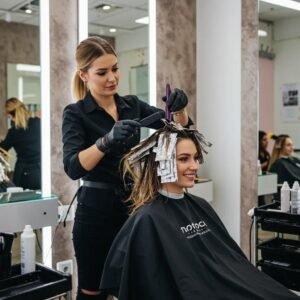
Toners are best for anyone who’s lightened their hair — think full bleaches, highlights, or balayage — and wants to remove unwanted warmth. They’re usually applied immediately after lightening to fine-tune the final shade, but they can also be used during maintenance appointments to refresh tone between lightening sessions. Ideal candidates include blondes seeking cooler tones, highlighted clients who want more uniformity, and anyone noticing brassiness. Your stylist will check porosity and chemical history to pick the right strength and schedule.
If you’d rather leave the mixing to an expert, Kylie Studio Salon offers consultations to match toner choices to your hair and lifestyle.
Hair Gloss vs. Toner: Side-by-Side Comparison of Purpose and Effects
- Purpose: Gloss adds shine and conditions; toner neutralizes unwanted undertones.
- Mechanism: Gloss applies a smoothing layer and light pigment; toner deposits corrective pigment using color theory.
- Typical longevity: Gloss often lasts 4–6 weeks; toner duration varies with washing habits and porosity.
Below is a quick comparison table outlining typical salon use-cases for gloss and toner.
In short: gloss improves surface condition and perceived color depth; toner corrects the hue beneath the surface. The section below outlines application differences and what to expect in terms of longevity.
What Are the Differences in Application and Longevity Between Gloss and Toner?
Gloss is applied to clean, towel-dried hair and processed briefly before rinsing; its effect depends on the cuticle seal and how quickly the surface deposit washes out. Toner is applied to lightened hair and processed carefully to neutralize underlying pigments; timing and formula strength determine the final tone. Typically, gloss visible effects last about 4–6 weeks, while toner life varies — often a few weeks — depending on porosity and how often you use clarifying products. Your stylist will recommend a maintenance schedule tailored to your routine.
How Do Hair Gloss and Toner Impact Hair Health Differently?
Glosses are generally conditioning and low-risk because they don’t use strong alkalines or lift the cortex; they often improve texture and reduce styling breakage. Toners deposit pigment and sometimes use mild chemical activity, so they require a careful assessment to avoid overprocessing already-damaged hair. Professionals manage risk by adjusting processing times, choosing gentler demi-permanent or acid-based toners, and recommending strengthening treatments when appropriate. In short: gloss supports hair health through smoothing, while toner focuses on color correction and needs more technical oversight.
Can You Use Hair Gloss and Toner Together? Combining Treatments Explained
Yes — gloss and toner can be combined for precise color correction plus surface shine, but sequencing and hair condition matter. The common professional approach is to apply toner first to neutralize lifted pigments, then finish with a gloss or glaze to seal the cuticle and add shine. Combined services give you targeted tone control and an instantly polished finish, but your stylist must manage processing to avoid pigment buildup or excessive chemical exposure.
What Are the Benefits and Considerations of Combining Gloss and Toner?
Combining services produces an evened-out tone with a glossy surface that prolongs the salon-fresh appearance. Benefits include a polished blonde finish and richer vibrancy for color-treated brunettes. Considerations include porosity, previous chemical work, and processing time — more porous hair absorbs pigment faster and may need adjusted formulas. Stylists often perform strand tests or space services across appointments for very compromised hair to protect integrity while still achieving the desired look.
How Does Combining Treatments Affect Hair Color and Shine?
When toner neutralizes the underlying hue and gloss seals the cuticle, the result is a cooler, more even color with stronger light reflection. The sealed surface can help slow early pigment loss from friction, so color looks fresher for longer. Aftercare remains important: avoid harsh clarifying shampoos and use color-safe products to protect both toner balance and gloss. Proper maintenance reduces the need for frequent touch-ups.
Professional Hair Gloss and Toner Services at Kylie Studio Salon Bethesda
Kylie Studio Salon offers gloss and toner services tailored to your hair goals, starting with a consultation that assesses current color and hair condition. We recommend the right mix of toner, gloss, or both to deliver predictable results. Our approach is personal — we work with women, men, and children and make booking easy with our online system. With stylist-led recommendations, you’ll get a plan that balances the shade you want, treatment frequency, and long-term hair health.
How Does Ruth’s Expertise Ensure Optimal Color Refresh and Correction?
Ruth, the salon owner and lead stylist, brings more than 11 years of hands-on color experience to every service. She evaluates underlying pigments, selects the appropriate toner strength, and pairs gloss formulations that enhance shine without unnecessary processing. Her technical judgment helps prevent overcorrection and creates maintenance plans that fit your lifestyle — reducing surprises and improving long-term color satisfaction.
How to Book Your Personalized Hair Gloss or Toner Appointment in Bethesda?
Booking a consultation at Kylie Studio Salon starts online, then continues with an in-salon assessment to choose the best service for your goals. Expect a focused consultation that covers recent color history, your desired outcome, and any hair-health concerns, followed by a recommended treatment plan. Your stylist will explain sequencing — whether toner first, gloss afterward, or a single targeted service — and outline at-home care to preserve results. Bringing photos of the shade you want helps make the consultation faster and clearer.
Frequently Asked Questions About Hair Gloss and Toner Treatments
Can I use hair gloss and toner on the same day?
Yes — but order matters. We usually apply toner first to neutralize unwanted undertones, then finish with a gloss to seal the cuticle and add shine. That sequence locks in tone while delivering conditioning. Always check with your stylist first to confirm your hair can tolerate both services during one visit.
How often should I get a hair gloss or toner treatment?
Frequency depends on your hair, color, and maintenance routine. Glosses are commonly refreshed every 4–6 weeks to maintain shine. Toners may need more frequent touch-ups for blondes or heavily highlighted hair because brassiness can return sooner. Your stylist will recommend a schedule based on your hair’s condition and how quickly your color shifts.
What should I do if my hair turns brassy after using toner?
Brassiness after toner usually means the toner has faded or the underlying pigments are showing through. A follow-up toner refresh can help, and using color-safe shampoos will slow fading. If the issue persists, your stylist may try a different toner shade or add a gloss to balance tone and boost shine.
Are there any side effects of using hair gloss or toner?
Both treatments are generally safe, though you might see temporary dryness or sensitivity if your hair is already damaged. Glosses are low-risk and often conditioning; toners can involve chemical activity and require monitoring. To reduce side effects, get a professional assessment first and follow recommended aftercare, including moisturizing products and regular conditioning.
Can I apply hair gloss or toner at home?
You can, but professional application gives more predictable results. Home toners can go uneven or over-process if timing and shade selection are off. If you try at home, do a strand test and follow instructions carefully — and consider checking in with a stylist for advice beforehand.
What is the difference between demi-permanent and semi-permanent gloss?
Demi-permanent gloss contains a small amount of alkaline agent and typically lasts longer than semi-permanent gloss, which is ammonia-free and mainly deposits color without lifting. Demi options offer more noticeable color change and better gray blending, while semi-permanent gloss focuses on shine and gentle refreshes. Your stylist will help choose the right option for your goals and hair health.
How Long Do Hair Gloss and Toner Treatments Last?
Glosses commonly last about 4–6 weeks, depending on how often you wash, the products you use, and sun exposure. Toner longevity varies with the pigment used and hair porosity — many toners last several weeks but can fade faster with clarifying shampoos. Factors that shorten duration include frequent washing, hard water, and UV exposure; using color-safe shampoos and UV-protective styling products helps. Professionals often schedule maintenance every 4–8 weeks based on client habits.
Is Hair Gloss Safe for Damaged Hair?
Generally, yes — gloss is a gentle option for compromised hair because it doesn’t lift the cortex and usually contains conditioning agents that temporarily improve texture. Stylists will assess damage and may recommend gloss as a low-risk way to improve appearance while delaying stronger chemical services until hair is stronger. For severely damaged hair, repair treatments may come first.
Keep these practical aftercare tips in mind to extend your gloss and toner results:
- Use color-safe, sulfate-free shampoos: Gentle cleansers help preserve surface deposits and color.
- Limit hot tools and high heat: Excessive heat speeds up cuticle wear and pigment loss.
- Avoid frequent clarifying shampoos: These remove surface deposits and shorten the life of toner and gloss.
Following these steps helps your color and shine last longer. For a personalized maintenance plan and product recommendations, discuss options with your stylist when you book or visit.
Conclusion
Knowing the different roles of gloss and toner helps you choose the right service for vibrant, healthy-looking hair. Gloss adds shine and smoothness; toner corrects unwanted undertones so your color reads true. A professional consultation at Kylie Studio Salon will help you tailor services to your hair goals and lifestyle. Book a personalized appointment and let us help you achieve the look you want.