Gray Hair Blending: Natural, Low‑Maintenance Color Solutions at Kylie Studio Salon in Bethesda
Gray hair blending is a targeted coloring approach that weaves your natural silver into strategically placed color for softer contrast and richer dimension. This guide walks through how blending works, why it’s an effortless alternative to full coverage, and which technical services—highlights, lowlights, balayage, and glossing—give the most natural results. You’ll find practical customization tips for dark, medium, and light bases, easy at‑home care to preserve tone and shine, and realistic timelines for touch‑ups. We also outline the gray‑blending services we offer at Kylie Studio Salon in Bethesda and explain how a personalized consultation shapes a long‑lasting, dimensional result. Throughout, key terms like gray hair blending, balayage for gray hair, lowlights for gray hair, and gray hair glossing appear in clear, actionable advice to help you embrace your gray with minimal upkeep.
What Are Gray Hair Blending Techniques and Their Benefits?
Gray hair blending groups together techniques—highlights, lowlights, balayage, and glossing—designed to integrate silver strands with your natural pigment so everything reads seamlessly. In practice, stylists place lighter or darker pieces and choose tones that mimic natural light and shadow, which reduces high‑contrast regrowth and creates a softer overall line. The outcome is a natural finish that makes grow‑out less visible and stretches the time between full‑color appointments. Knowing these basics helps you pick the approach that fits your hair density, graying pattern, and day‑to‑day life.
Blending delivers practical benefits for anyone who wants a more natural, low‑maintenance look. From fewer salon visits to an authentically lived‑in finish that flatters your features, here are the main advantages clients notice after a blending service.
Gray blending offers these key benefits:
- Natural integration: Thoughtful placement mimics natural highlights and shadows to blend gray smoothly.
- Low‑maintenance grow‑out: Softer contrast means longer gaps between appointments and fewer root touch‑ups.
- Dimensional texture: Highlights and lowlights add depth and the appearance of fullness without heavy pigment.
- Tone control: Glosses and toners tame brass and boost shine for a polished finish.
Together, these benefits give you a practical way to keep your natural gray while cutting the upkeep of full coverage color. The next section explains how blending techniques visually and technically enhance silver strands.
How Does Gray Blending Enhance Natural Gray Hair?
Blending works by balancing contrast: selective placement and tone soften the transition between pigmented hair and silver so regrowth looks intentional instead of stark. We place fine highlights or lowlights where light would naturally hit and pick tones that complement your base color to avoid an artificial result. That adds dimension and can even make hair look thicker by breaking up large, uniform patches. For example, a few warm lowlights at the crown with cooler babylights around the face can highlight features while preserving your natural gray pattern.
Placement and density matter—closely spaced, finer pieces create subtle blending; wider, sparser strokes give a sun‑kissed effect. We also factor in texture and porosity when choosing products and develop times to protect hair integrity. Understanding these technical choices helps you visualize the result and set realistic expectations for tone, shine, and how it will grow out.
What Makes Gray Blending a Low‑Maintenance Alternative to Full Coverage?
Gray blending cuts down on maintenance by softening the contrast at the root so regrowth is less obvious. Instead of regular full‑coverage retouches, blending uses dimensional pieces to disguise regrowth lines and create a more forgiving transition. Most clients expect eight to twelve weeks between glosses or selective refreshes, depending on contrast and desired sheen. That lower cadence saves time and money and supports healthier hair by avoiding frequent full‑color processes.
Many clients prefer blending because everyday styling looks intentionally lived‑in rather than overdue for a color. The gentler approach also lets us use milder formulas and avoid aggressive lightening, which preserves hair strength and reduces cumulative damage. With that foundation, the next section outlines the specific blending services we use and what each offers.
Which Gray Hair Blending Services Does Kylie Studio Salon Offer in Bethesda?
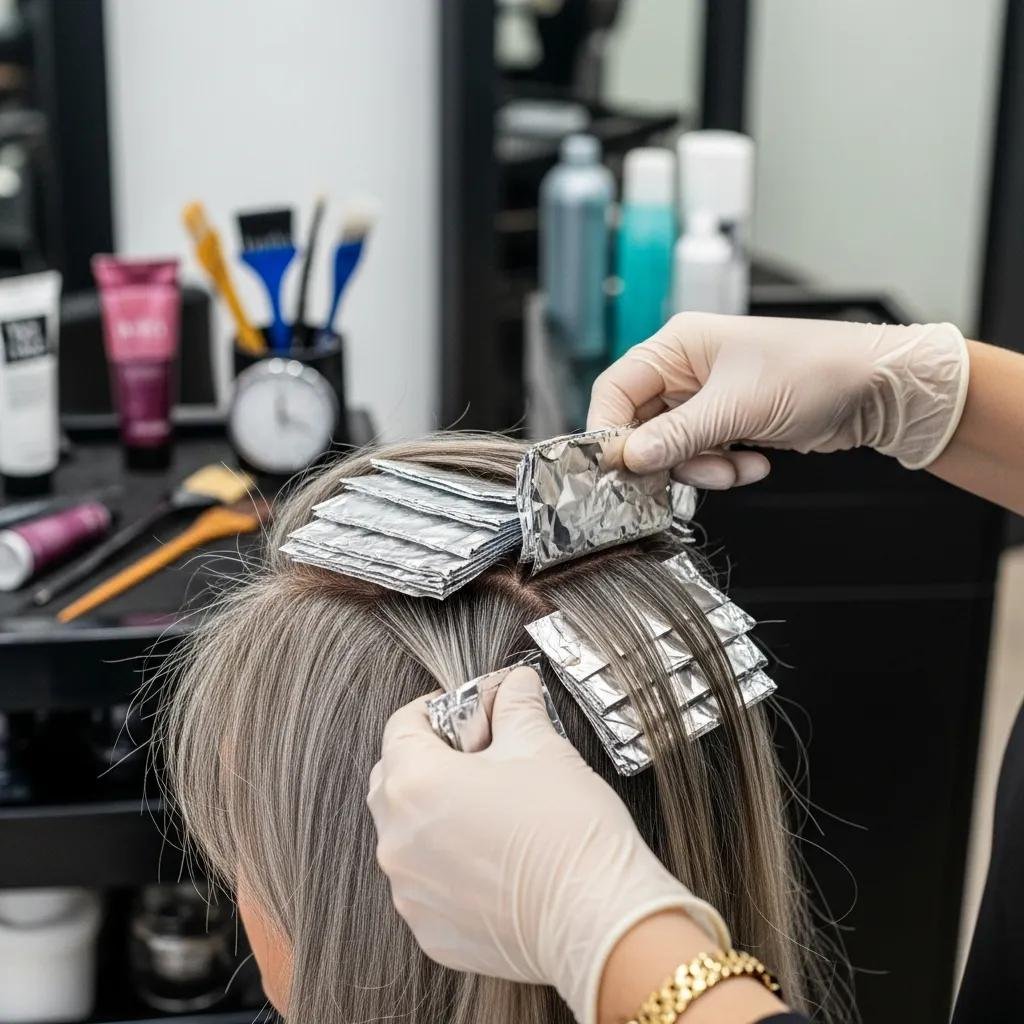
Our gray blending services focus on dimensional color work—highlights, lowlights, balayage, and glossing/toning—to integrate gray and refine tone. Each method uses specific application styles: foils or babylights for controlled, delicate highlights; hand‑painted balayage for soft transitions; and demi‑permanent glosses to unify tone and add shine. We assess hair density, gray distribution, and your lifestyle to recommend the right mix of services for a tailored result. Below is a concise technical breakdown of common blending services and what you can expect during a session.
The salon menu includes targeted blending options that range from subtle softening to clearly dimensional shifts. At Kylie Studio Salon in Bethesda we emphasize personalized planning, free consultations, and easy online booking so you can choose a realistic path and understand maintenance up front.
Intro to a brief EAV‑style table that explains each service, how it integrates gray, and practical session expectations:
This quick reference clarifies timing and helps you plan both time and budget around the technique you choose. The sections below break down each method so you can see placement, tone choices, and who benefits most from each approach.
How Do Highlights Integrate Gray Hair for a Natural Look?
Highlights for blending—often delivered as babylights, face‑framing pieces, or scattered foils—add brightness and texture that distract from concentrated gray patches. We place ultra‑fine babylights where natural light hits to soften the edge between silver and pigment and create a luminous, refreshed effect. Tonal choices favor shades near your base with modest lift to avoid harsh contrast; neutral or cool tones can harmonize with silver, while a touch of warmth can complement your complexion. People with medium bases or anyone wanting a brighter overall impression often benefit most from a highlights approach.
Highlights need careful timing and minimal lift to protect fragile gray strands. We use low‑foaming or oil‑based lighteners when lift is required and follow with a gloss to seal tone and boost shine. Regular glossing helps preserve the blended effect between full services.
What Are the Benefits of Lowlights for Gray Hair Blending?
Lowlights add depth by placing darker pigment near gray, reducing contrast and giving the appearance of fuller hair. For darker bases or salt‑and‑pepper patterns, lowlights are a reliable way to even out tone without covering your natural gray. Colorists choose shades one to three levels darker than your base and pick warm or neutral undertones to avoid a muddy look. The result is subtle shadowing that conceals high‑contrast regrowth.
Maintenance for lowlights is usually moderate because the pigment sits close to your natural color, so touch‑up intervals can be longer than with full coverage. Lowlights also benefit from occasional glossing to refresh depth and keep tones blended over time.
How Does Balayage Create Soft, Sun‑Kissed Gray Blends?
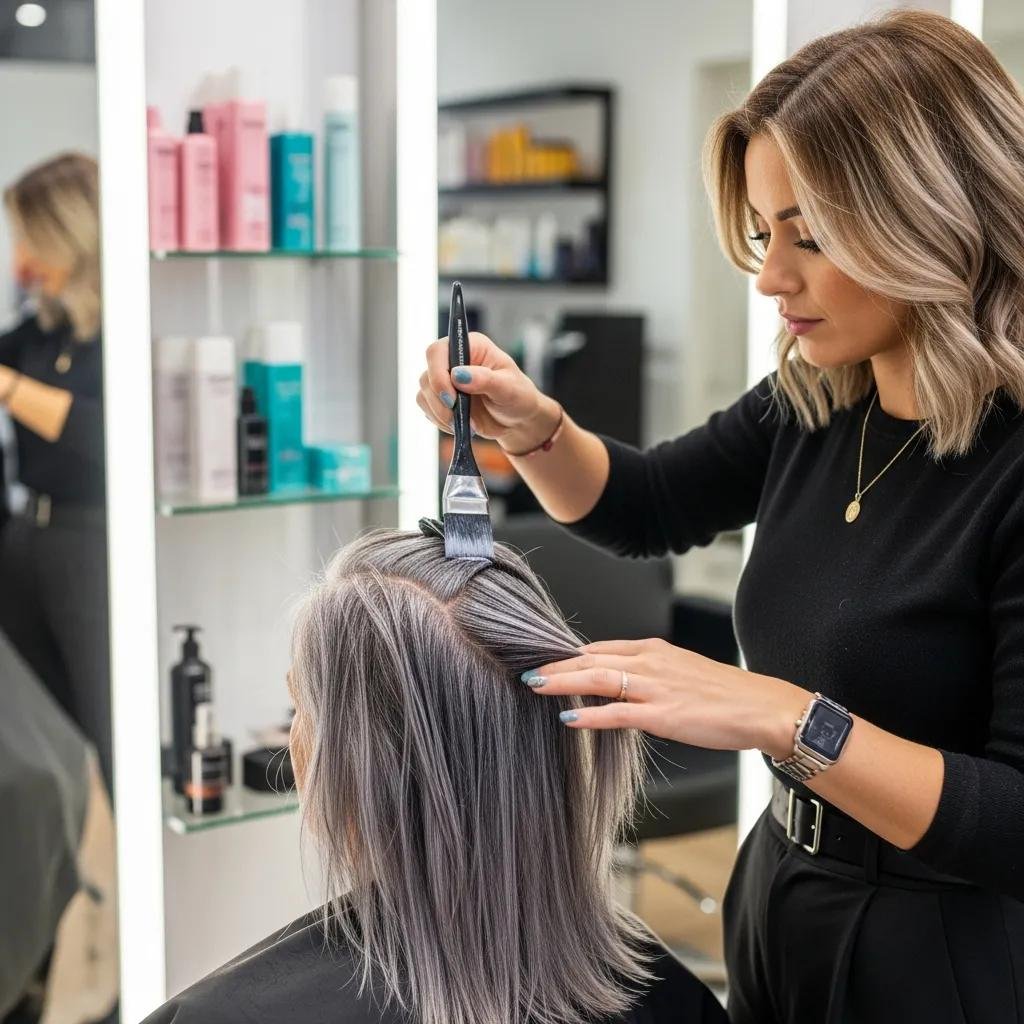
Balayage is a hand‑painted technique that creates gradual, low‑contrast transitions—ideal for blending gray with minimal upkeep. Because we paint color freehand, we can customize density and placement to your unique gray pattern—softening hairlines, brightening mid‑lengths, or framing the face. Balayage’s soft regrowth line and diffuse edges make it a great choice if you want a lived‑in look that ages gracefully. The finished effect is sun‑kissed and multidimensional, harmonizing silver and natural tones.
Balayage typically involves less lift at the root, which preserves hair integrity and rounds out time between visits. We often finish with a salon gloss or toner to ensure tonal unity and shine.
What Role Does Gray Hair Glossing and Toning Play in Blending?
Glossing and toning are finishing steps that refine surface tone and add reflective shine—key to making blended color appear natural rather than processed. A demi‑permanent gloss can deposit subtle cool or warm pigments to neutralize brass, deepen muted tones, and make silver read as integrated. Glosses sit on the hair cuticle and are less damaging than permanent color, so they’re a safe, repeatable way to maintain tone between full blending sessions. Glossing frequency typically runs six to ten weeks, depending on how quickly your hair shifts or warms.
Beyond tone, glossing smooths the hair surface, boosting perceived vibrancy and helping gray strands blend in visually. Regular toning as part of aftercare preserves your chosen hue and amplifies the dimensional effect from highlights, lowlights, or balayage.
Why Choose Kylie Studio Salon for Your Gray Hair Blending Journey?
Kylie Studio Salon is a local Bethesda studio focused on modern, natural gray blending with careful technique selection and a clear eye for hair health. We combine contemporary coloring methods with gentle application to create results that look natural and last longer with easier upkeep. Our reputation comes from client‑first service and consistently tailored, dimensional outcomes that fit everyday life. Below are the salon’s core strengths, presented as straightforward value points.
Kylie Studio Salon highlights:
- Expertise in contemporary coloring and cutting techniques that support authentic gray integration.
- Personalized service with attention to small details, matching blends to face shape and lifestyle.
- A focus on low‑maintenance results that keep clients feeling polished without constant touch‑ups.
Business note: Kylie Studio Salon offers free consultations and easy online booking to help you plan the right gray‑blending strategy with confidence. The next section describes the stylist expertise and service model that deliver those outcomes.
What Expertise Does Ruth Bring to Gray Hair Blending?
Ruth, our primary color stylist and salon contact, specializes in dimensional techniques—balayage, lowlights, and targeted highlights—that make gray blending successful. Her practical process starts with color planning based on your base shade, gray pattern, and hair condition to deliver flattering, predictable results. Ruth favors low‑impact lifts when needed and pairs color with glossing to preserve tone and shine. Clients benefit from a hands‑on stylist who prioritizes both appearance and hair health when creating a blending plan.
That experience translates into consistent results across hair types and color goals, letting clients transition to blended gray looks with minimal risk of over‑processing. The following section explains how our personalized service process turns assessment into an actionable plan.
How Does Personalized Service Ensure Natural, Dimensional Results?
Our personalized service follows a straightforward consultation‑to‑care pathway that aligns technique with your goals, hair health, and maintenance needs. The process typically includes a thorough consultation, a tailored color plan, careful application, and finishing steps plus aftercare advice to extend results. This stepwise approach—consultation → plan → application → finishing/aftercare—keeps every decision intentional and lifestyle‑appropriate. By documenting preferred tones, maintenance tolerance, and styling habits, we prescribe realistic timelines and at‑home routines that keep your blend looking natural.
Below is a short numbered list outlining the typical consultation steps and what to expect at each stage.
Consultation steps at a glance:
- Hair assessment: We evaluate gray pattern, porosity, and hair health to guide technique.
- Goal alignment: We discuss the look you want, maintenance comfort, and tone preferences.
- Technique planning: We choose a mix of highlights, lowlights, balayage, or glossing.
- Aftercare prescription: We recommend products and a touch‑up schedule to preserve tone.
These steps set clear expectations and help you prepare for the session while minimizing surprises at follow‑ups.
How Is Gray Hair Blending Customized for Different Hair Colors?
Customizing blending for different base colors means adjusting piece size, placement, and tone to match the contrast between natural pigment and gray. Dark hair often benefits from low‑contrast approaches to avoid visible regrowth lines, while lighter bases can take cooler highlights and delicate toners to unify silver. We choose color temperature, piece size, and placement to complement your base and natural lighting so the blend reads intentional. The table below summarizes recommended techniques, ideal base matches, and maintenance expectations to help you decide.
This side‑by‑side makes it easier to see how technique affects look and return intervals. The next sections go into specifics for dark and light bases.
What Techniques Are Best for Gray Blending on Dark Hair?
On dark hair, we favor low‑contrast tactics—subtle lowlights, delicate babylights, and low‑lift glazes—because they reduce stark lines while adding depth. We pick shades close to your base and avoid high‑lift processes that can leave gray looking isolated. Tonal choices usually sit neutral or slightly warm to keep richness and prevent ashiness against darker tones. Maintenance can be a bit more forgiving since pigments sit near your natural level and regrowth blends more smoothly.
Technically, we focus placement around the face and crown where contrast is most visible, use minimal saturation, and choose conservative developers to protect hair integrity. This approach delivers a natural, age‑appropriate outcome with manageable upkeep.
How Are Gray Blending Approaches Adapted for Blonde and Light Hair?
For blonde and light bases, blending often uses cool‑toned highlights, soft lowlights, and regular toning to unify silver and prevent brass. We prefer ash or neutral glosses that harmonize silver without over‑lightening delicate gray strands. Because lighter hair can warm faster, purple or blue‑based toners and glosses help keep the look crisp. We also recommend gentle, color‑safe shampoos and scheduled glossing to maintain coolness.
Application on light bases prioritizes subtlety—minimal lift where gray is present and semi‑transparent glazes to blend tone rather than dramatically change the base. That balances brightness with a natural gray integration.
How Can You Maintain Your Natural Gray Blended Look at Home?
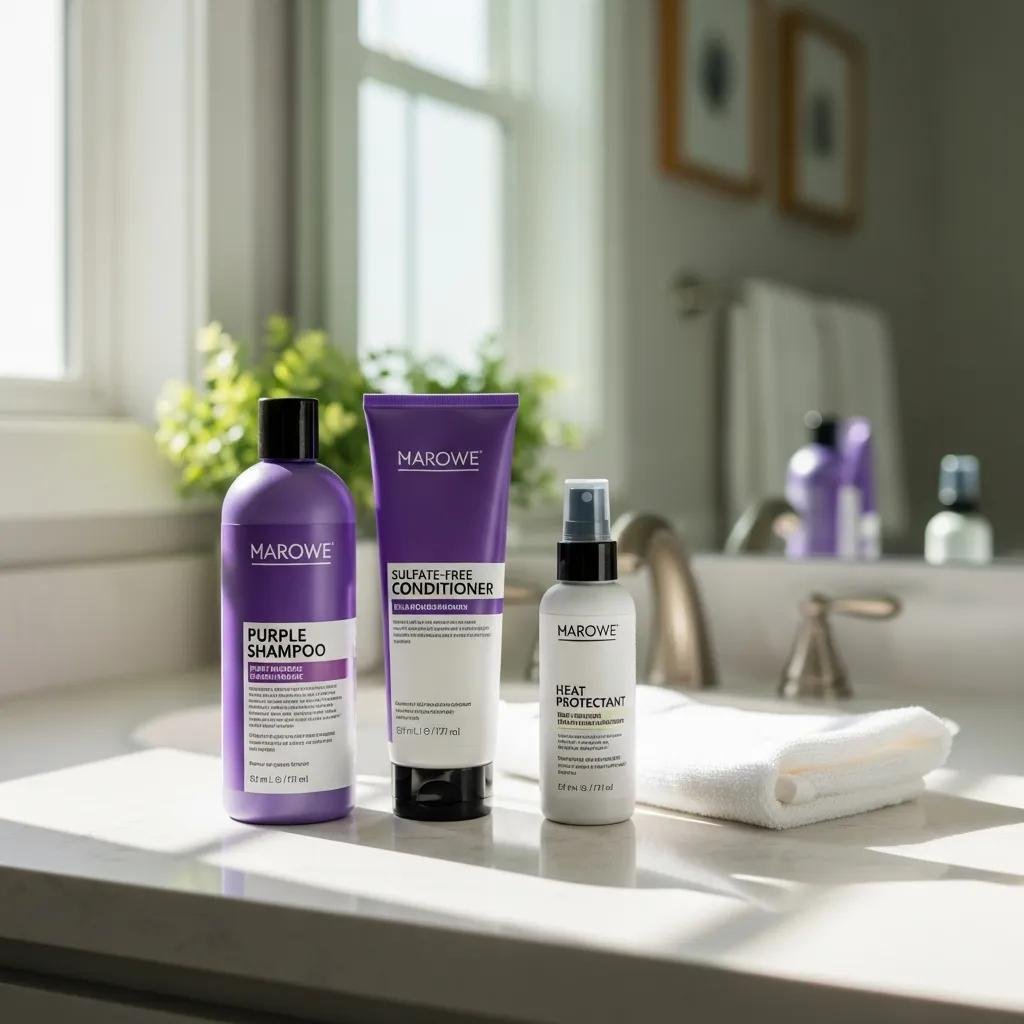
Keeping a blended gray look at home means a consistent routine that preserves tone, minimizes brass, and protects hair from heat and chemical stress. Key steps include using purple shampoo strategically, choosing sulfate‑free cleansers and conditioners, applying leave‑in protectants, and protecting hair from heat and sun. Pairing at‑home care with periodic salon glosses and selective touch‑ups will extend the life of your blended result and keep it looking polished between visits. Here are practical, easy‑to‑follow maintenance tips.
Essential home‑care tips for gray blending:
- Use purple shampoo 1–2 times weekly to neutralize warm tones and keep a cool finish.
- Choose sulfate‑free shampoo and conditioner to protect gloss and hydration.
- Apply a heat protectant before styling tools to prevent tone fading and breakage.
- Use a color‑preserving leave‑in gloss or a lightweight oil to sustain shine between salon visits.
These simple habits support your salon work and can delay the need for professional toning. The section below outlines the product categories and suggested usage in more detail.
What Products and Tips Support Long‑Lasting Gray Blending?
Longevity comes from products that guard tone, moisture, and the cuticle. Core categories include purple or blue shampoos to neutralize warmth, sulfate‑free cleansers and conditioners to prevent fading, demi‑permanent glosses or at‑home gloss treatments for occasional tone refreshes, and heat protectant sprays to cut thermal damage. Practical frequency: purple shampoo 1–2 times per week, sulfate‑free washing as needed, and at‑home glosses monthly if you can’t make it to the salon.
We usually recommend professional‑grade toners and glosses because they deposit subtle pigments without heavy lifting. Using these targeted products preserves the color architecture from highlights, lowlights, or balayage and keeps both tone and shine in everyday styling.
How Often Should You Schedule Salon Visits for Gray Blending Touch‑Ups?
Touch‑up timing depends on the techniques used and the contrast between your natural color and gray. Typical ranges are eight to twelve weeks for glosses and selective refreshes, and up to twelve to twenty weeks for broader balayage maintenance. Faster fading can come from frequent washing, heat styling, sun exposure, or swimming. A typical touch‑up visit often includes a gloss, selective reapplication of highlights or lowlights, and a conditioning boost to refresh tone and shine.
We’ll personalize scheduling: if you want the lowest maintenance, we’ll use conservative techniques and recommend diligent at‑home care to stretch intervals. If you prefer brighter or cooler tones, we’ll plan more frequent refreshes to keep the look consistent without over‑processing.
What Are the Most Common Questions About Gray Hair Blending?
This FAQ answers the practical questions we hear most about gray blending with concise responses to help you decide if blending fits your goals. Each answer defines the approach, explains longevity, suitability for different colors, and maintenance needs so you can move forward with confidence.
What Is Gray Blending Hair Color?
Gray blending is a targeted color technique that integrates natural gray strands with strategically placed lighter or darker pieces to create a seamless, dimensional finish. The goal is to soften contrast and make regrowth less noticeable while preserving gray where you want it. By adjusting piece size, placement, and tone, blended hair looks integrated rather than patched—an easier, more flattering alternative to full coverage.
How Long Does Gray Blending Last?
Visual freshness usually lasts eight to twelve weeks for glosses and selective touch‑ups, while broader balayage blends can hold for twelve to twenty weeks before a full refresh is helpful. Longevity depends on contrast, techniques, hair porosity, styling habits, and your at‑home routine. With consistent aftercare—purple shampoo, glossing, and heat protection—many clients notice their blend stays fresh well beyond the initial salon visit.
Is Gray Blending Suitable for Dark Hair?
Yes. For dark hair we adapt blending with low‑contrast lowlights, fine babylights, or glazing so you avoid harsh lightening. The aim is to add depth and subtle brightness without masking natural gray. By selecting shades near your base and using controlled placement, we create a seamless integration that flatters dark hair and extends the time between appointments.
Is Gray Blending High Maintenance?
Gray blending is generally lower maintenance than full‑coverage root retouches because it softens regrowth and uses dimensional pieces to diffuse contrast. That said, maintaining tone—especially on lighter bases—requires periodic glossing and attentive at‑home care like purple shampoo and heat protection. Overall, blending replaces frequent full coverage with planned, less frequent refreshes and targeted glossing, which many clients prefer for both hair health and convenience.
To discuss which gray blending path fits your hair, Kylie Studio Salon’s team offers personalized planning and practical scheduling. To book an appointment or schedule a consultation, contact Ruth at 301-922-7864 or visit the salon at 4711 Montgomery Ln, Suite 2, Bethesda, MD 20814. Free consultations and convenient online booking are available to help you choose the right blending strategy and timeline.
Frequently Asked Questions
What is the difference between highlights and lowlights in gray hair blending?
Highlights and lowlights play complementary roles. Highlights add lighter strands for brightness and dimension, which can soften the look of gray. Lowlights add darker strands to reduce contrast and create depth, helping gray appear more integrated with your natural color. We often combine both for balance—the exact mix depends on your base color and desired outcome.
Can gray hair blending work for all hair types?
Yes—gray blending is customizable for straight, wavy, and curly hair. The key is adjusting technique and product choice to match density, porosity, and texture. Fine hair may need subtler babylights, while coarser textures can benefit from richer lowlights. A skilled stylist will assess your hair and recommend the best approach.
How does the aging process affect gray hair blending results?
Aging can change hair texture and porosity, which affects color absorption and longevity. As hair becomes finer or more porous, we often use gentler techniques and products to protect integrity while achieving a natural blend. A personalized consultation helps us choose the best plan for evolving hair needs.
What should I expect during a gray hair blending consultation?
Expect a full assessment of your hair condition, gray distribution, and desired outcome. We’ll talk about your lifestyle, how much upkeep you want, and any color concerns. Based on that conversation, we’ll recommend techniques, tones, and a care plan so you leave the consultation with a clear, realistic path forward.
Are there any specific products recommended for maintaining gray hair blends?
To keep a blended look fresh, use products that protect tone and moisture: sulfate‑free shampoo and conditioner, purple shampoo to neutralize brass, demi‑permanent glosses for periodic touchups, and heat protectants before styling. Following a consistent routine will prolong your salon results.
How can I tell if gray hair blending is right for me?
Gray blending could be a great fit if you want to embrace natural gray while minimizing maintenance and adding dimension. If you prefer a softer, lived‑in look with longer gaps between salon visits, blending is worth considering. Book a consultation and we’ll assess your hair type, lifestyle, and aesthetic goals to recommend a tailored solution.
Conclusion
Gray hair blending offers a natural, lower‑maintenance way to integrate silver with color—whether you choose highlights, lowlights, or balayage. The result is dimensional, flattering hair that requires fewer full‑coverage appointments. At Kylie Studio Salon, our personalized consultations and careful technique selection help you find the right approach for your hair and lifestyle. Schedule a visit to explore how gray blending can refresh your look with minimal upkeep.