Victorian Era Hairstyles: Timeless Elegance & Intricate Victorian-Inspired Updos
Victorian hairstyles blend careful structure with decorative detail to create looks that feel both formal and intimately refined—perfect inspiration for today’s special occasions. This guide outlines what defines Victorian hair, showcases signature updos like the classic chignon, the Gibson Girl, and the braided crown, and explains how modern stylists recreate these shapes using contemporary, hair-friendly techniques. You’ll learn about the social influences behind 19th‑century hair, the accessory language that signaled status or sentiment, and practical ways to adapt period methods for modern hair types and events. We also cover how vintage adornments—combs, pins, ribbons, and pearls—are used without sacrificing hair health, and where to find specialty updo services in Bethesda. By the end, you’ll understand the mechanics of Victorian styling, sensible modern adaptations, and when to book a professional consultation for a historically inspired updo.
What makes Victorian era hairstyles so distinctive and intricately elegant?
Victorian-era looks are centered on controlled volume, refined textures, and ornamental finishing—elements that together signal formality and good taste. Achieving that aesthetic historically depended on padding and precise shaping to form silhouettes such as low buns, cascades of curls, and braided frames that held up through long social events. Those constructions offered clear benefits: flattering face framing, durable hold for ceremonies, and a base for accessories that communicated fashion, status, or mourning. Knowing these defining features explains why Victorian updos still influence bridal and formal styling today. Below are the core characteristics that recur across 19th‑century fashions and guide modern reinterpretations.
Victorian hair balances visible support with decorative detail—an approach that points directly to the physical traits and social reasons behind the styles.
Victorian-era hairstyles share five consistent characteristics:
- Volume and silhouette focus: padded low buns, elevated temples, and pronounced side profiles.
- Textural contrast: tight ringlets paired with smooth, sleek sections to frame the face.
- Structural support: padding, ratting, and hair nets used to hold shape for long periods.
- Ornamentation: combs, pins, ribbons, and pearls serving as focal points and symbolic accents.
- Etiquette-driven variation: styles adjusted for mourning, formal events, and everyday wear.
These traits explain both the visual look and the construction logic behind Victorian hair—and lead naturally to a closer look at the techniques used in the 19th century.
What physical features define elegant 19th‑century hairstyles?
Elegant 19th‑century hairstyles typically combine controlled volume, contrasting textures, and carefully placed adornments to flatter the face. Stylists of the era favored low buns and chignons at the nape, often built over hair pads to create a rounded, steady silhouette that lasted through long days. Curls and ringlets were added around the face and temples for softness, while the crown and sides were smoothed or slightly poufed to balance proportions. These choices produced a sculptural profile and practical advantages—secure hold and a reliable base for combs or jewels—that modern updos replicate using gentler materials and techniques. Understanding these mechanics helps stylists select contemporary substitutes that preserve the historic look without the original methods’ damage.
How did social and cultural forces shape Victorian hair fashion?
Social and cultural norms played a major role in Victorian hair fashion, assigning meaning to appearance and limiting acceptable ornamentation for different life stages and events. Mourning practices called for subdued embellishments—black ribbons or jet—while wealthier circles used fine combs and pearls to signal status. Fashion plates and public figures, including Queen Victoria’s restrained example, spread ideals of modest, structured elegance that reinforced social expectations. This cultural coding turned hair into a language of position, sentiment, and propriety, and it influenced how styles were constructed and worn. Understanding that social context explains why certain details—like discreet side braids or a jeweled comb—carried more than decorative value.
That social perspective leads naturally to a look at specific Victorian-inspired updos that best capture the era’s intricacy.
Which Victorian-inspired updos best showcase formal, intricate styling?
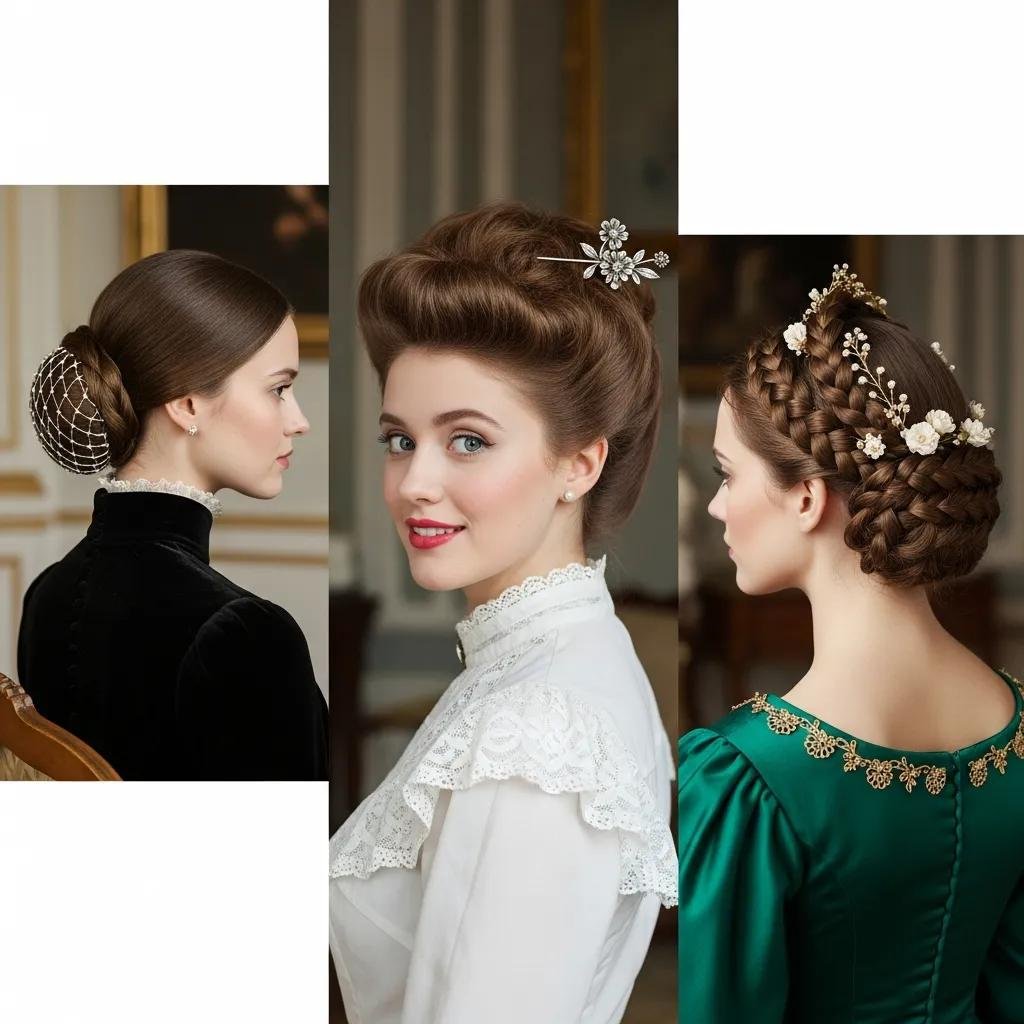
The Victorian-inspired updos that most clearly express intricate formal styling are the classic chignon, the Gibson Girl updo, and the braided crown. Each style offers a different balance of structure and ornament, combining volume, texture, and secure construction to create looks that feel both historically grounded and adaptable for modern brides and formal events. Below is a brief rundown of these signature updos and what makes each one distinct.
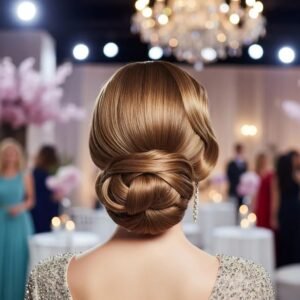
- Classic chignon: A low, smooth bun at the nape that emphasizes clean lines and makes room for decorative accents.
- Gibson Girl updo: Soft, voluminous crown height with graceful side rolls that create an elegant, hourglass silhouette.
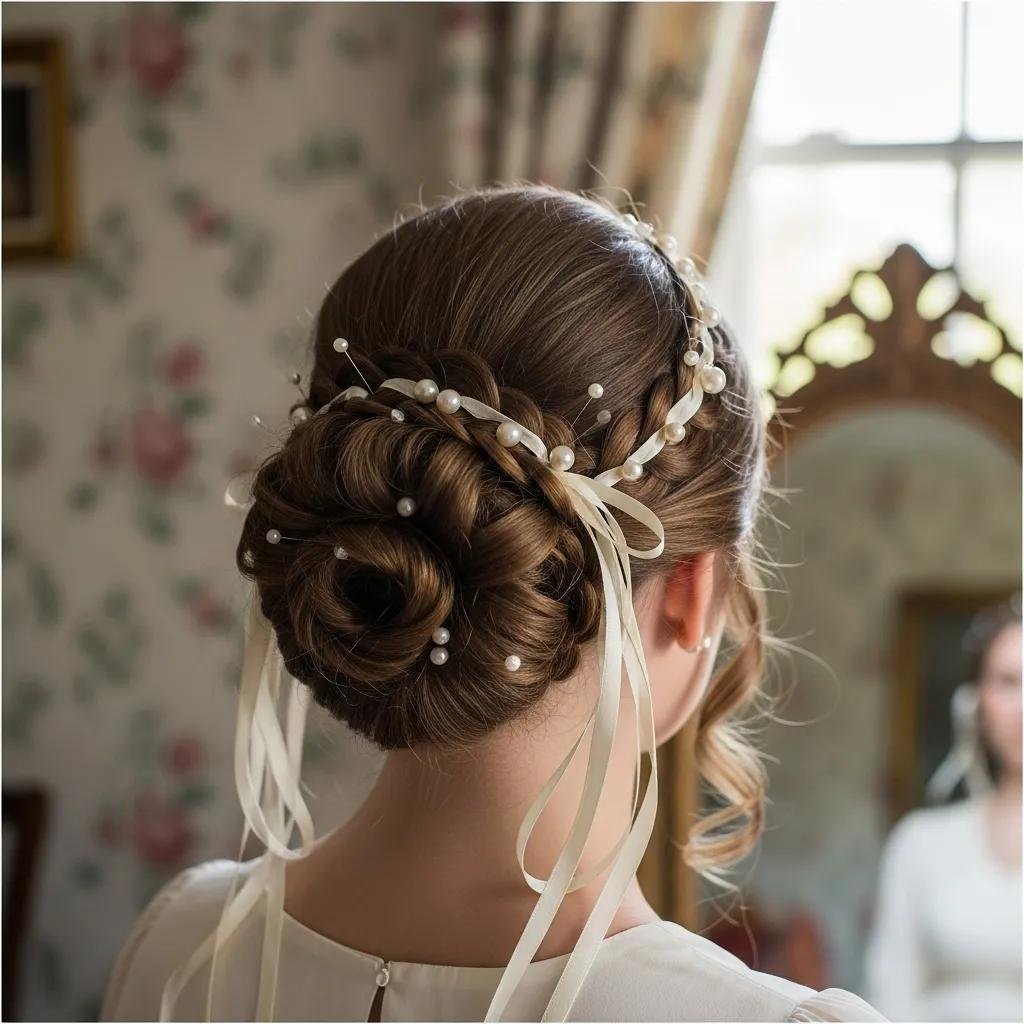
- Braided crown: Interlaced braids wrapped around the head for an ornate, regal frame.
These three styles cover the spectrum of Victorian formal hair—from understated refinement to sculptural drama—and set the stage for their construction and salon-friendly adaptations.
Intro note: The table below compares these styles by typical construction, usual volume, common accessories, and modern tips for salon application.
How is the classic chignon built—and why is it a Victorian favorite?
The classic chignon starts with the hair smoothed back into a low bun or knot at the nape, with support elements hidden to preserve a clean silhouette. Historically this effect relied on hair pads and careful tucking to create a rounded shape while keeping the profile low; today’s stylists use breathable foam inserts and discreet extensions when extra volume is needed. The chignon is versatile—suitable for mourning or celebration—and dependable for long events because its low placement reduces strain. For modern clients, flexible-hold products and shine serums recreate the chignon’s polished surface without stiffness. Knowing the chignon’s placement and mechanics explains why it’s a salon staple and a natural base for period-appropriate accessories.
What defines the Gibson Girl and braided crown looks?
The Gibson Girl silhouette centers on soft, voluminous crown height and loosely tucked side rolls that frame the face and accentuate the neck; achieving it typically involves thoughtful backcombing and strategic padding. The braided crown forms an ornate halo of interlaced plaits pinned around the head, producing a stately, structured effect that can feel historic or modern depending on texture and accessories. Both styles require a balance of texture—defined curls or smooth panels—and secure anchoring with pins and nets to keep shape during movement. Contemporary reinterpretations often use heat-set curls and lightweight extensions to protect natural hair while delivering the necessary volume. Face shape, event formality, and accessory level guide the stylist’s choice between these looks.
Those descriptions lead into the practical techniques salons use to adapt historical methods safely and efficiently.
How do stylists adapt historical techniques for modern vintage salon services?
Adapting Victorian techniques for modern styling means replacing older materials with safer, salon-grade tools while preserving silhouette and texture. Today’s methods recreate padding with breathable foam inserts and looped extensions, use heat tools for controlled curl memory instead of long pin-curl sets, and rely on flexible, long-wearing products that hold shape without damaging the hair fiber. These updates deliver the same visual benefits—height, fullness, and longevity—while reducing breakage and scalp stress, making Victorian looks accessible across hair types. Below are common modern methods stylists use to recreate Victorian updos in a salon setting.
Modern techniques for recreating Victorian updos include:
- Breathable foam pads and looped extension pieces to build volume safely.
- Precision heat styling (curling irons, hot rollers) with protective sprays to set ringlets and waves.
- Flexible-hold sprays and light setting products to lock shape while keeping natural movement.
These practical methods let salons honor Victorian construction without compromising hair health, and they segue into how stylists personalize these techniques for each client.
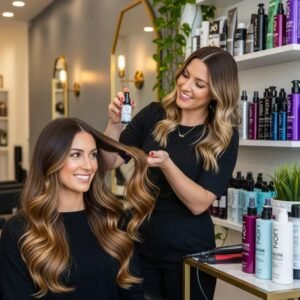
Kylie Studio Salon in Bethesda adapts these historical methods through consultative styling and portfolio-led trials. Our service offering—cuts, styling, color, highlights, perms, and keratin treatments—provides the technical foundation for specialty updos, and owner/stylist Ruth focuses on translating period aesthetics into wearable, modern looks. Clients interested in Victorian-inspired styles should bring inspiration images and discuss hair density and event timing during a consultation; we typically recommend a trial to refine volume, texture, and accessory placement before the event. This local-service note shows how historical technique becomes a practical salon offering today.
That salon integration leads directly into personalization strategies that make historic styles work for real people.
Which modern products and methods recreate Victorian updos safely?
Contemporary recreations combine protective heat styling, temporary padding, and targeted holding products to echo 19th‑century textures without harm. Stylists form ringlets and waves with controlled heat tools and set them with thermal-safe sprays that preserve curl memory and tame humidity. Padding uses breathable foam inserts and sewn-in loop extensions to distribute weight and protect hair health, while finishing touches often include flexible sprays and light pomades to define face-framing tendrils. These substitutes recreate the volume and sculpted texture of the period while prioritizing long-term hair integrity—important if clients plan repeat styling or color work. Knowing these modern options helps clients understand both the look and the care involved.
How do stylists tailor Victorian-inspired styles for individual clients?
Stylists personalize Victorian looks by assessing length, density, texture, face shape, and event formality to choose the most flattering silhouette and accessory approach. A consultation usually covers desired height, tolerance for padding or extensions, and whether a trial is needed—ensuring the updo suits the client’s features and stays comfortable throughout the event. Custom options include softening the crown for round faces, adding braided details to balance narrow foreheads, or keeping adornments minimal for a subtler effect. Clear communication and a short trial, when possible, let stylists fine-tune volume and placement so the historic style reads intentional and wearable. This client-first process bridges historical detail with modern personal style.
Those personalization strategies make accessory choices especially important—which brings us to 19th‑century hair adornments.
What role did 19th‑century hair accessories play in Victorian elegance?
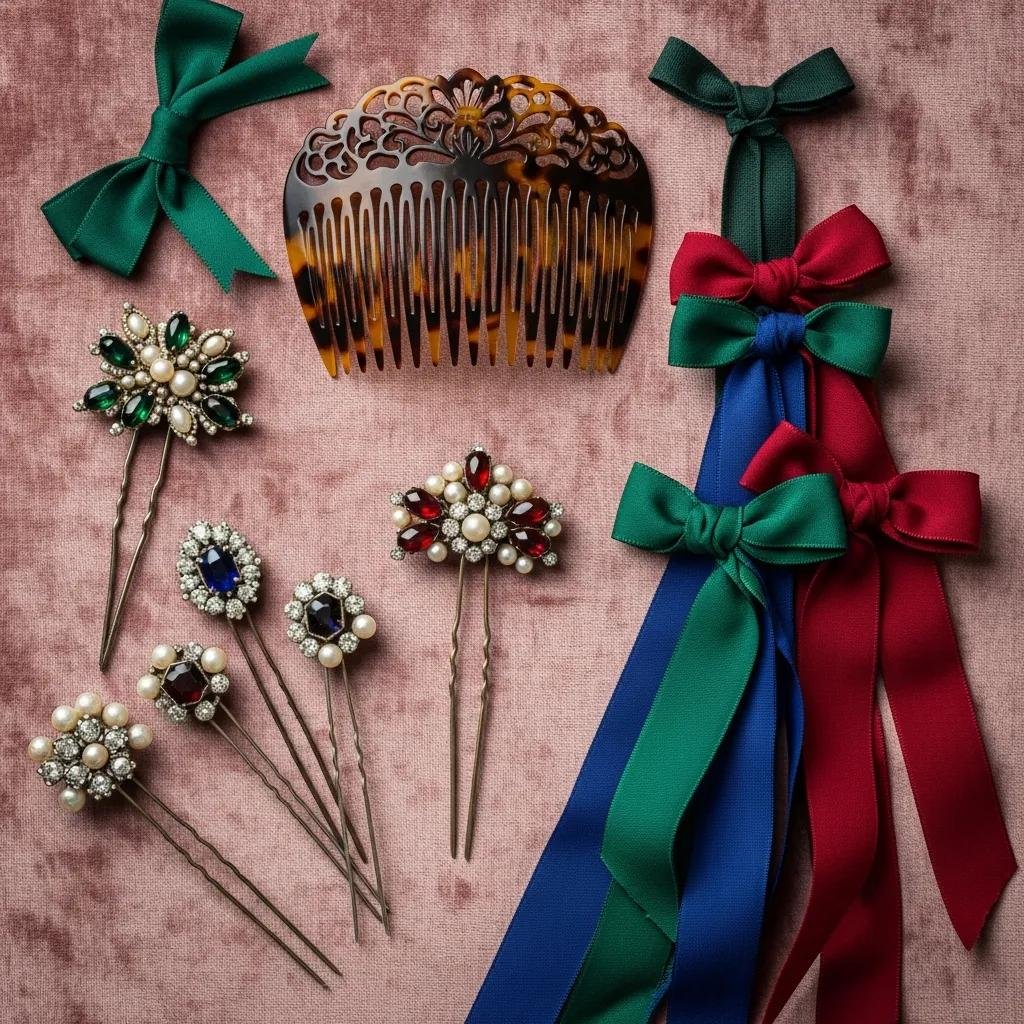
In the 19th century, accessories served as both decorative focal points and social signals, lifting a simple style into a statement of taste, mourning, or status. A comb, ribbon, or string of pearls draws the eye to a particular plane of the hairstyle, emphasizing shape while carrying cultural meaning. Materials ranged from tortoiseshell and jet to freshwater pearls and silk; each carried specific connotations. Modern stylists apply the same accessory principles but use secure, hair-friendly attachment methods to protect the hair shaft. The table below summarizes accessory types, their historical uses, and modern salon-appropriate equivalents.
Which vintage accessories were popular during the Victorian era?
Common Victorian accessories included ornamental combs, jeweled pins, ribbons, and hair nets—choices driven by both material and meaning. Combs made from tortoiseshell or metal provided structure and decoration, while jet and onyx were often used in mourning. Freshwater pearls and small brooch-like pins shone in portraits and celebratory settings by catching light and drawing attention to the face. Nets kept elaborate arrangements neat during busy social schedules. Knowing these historical preferences helps modern stylists recommend replicas and placements that honor the original visual language without harming the hair.
How do stylists incorporate historical adornments into modern updos?
Adding historical adornments to modern updos requires attachment methods that protect the hair—low-tension pins, discreet comb bases, and cushioning under metal elements. Best practices include testing accessory weight before final placement, using silicone-tipped pins for grip without breakage, and siting adornments where padding absorbs pressure. Avoid clamping heavy vintage metal directly to fragile hair or pushing sharp prongs into untreated strands. Many stylists source high-quality replicas to avoid antique fragility and to meet hygiene standards. For clients who bring genuine antiques, careful cleaning and protective mounting keep those pieces beautiful without risking damage.
Where can clients find intricate formal updos and vintage styling services in Bethesda?
If you’re looking for Victorian-inspired updos in Bethesda, specialty styling is available at local salons that offer occasion-focused services, portfolio galleries, and consultative trials. Kylie Studio Salon in Bethesda, MD, serves as a resource with a portfolio and blog showcasing our work; our core services—cuts, styling, color, highlights, perms, and keratin treatments—support the technical needs of specialty updos. We recommend reviewing portfolio images to find styles you like, booking a consultation to discuss hair type and event timing, and scheduling a trial when longevity and precision matter. These steps turn historical styling theory into a practical salon experience.
At Kylie Studio Salon, our consultative approach aligns historical silhouettes with individual hair conditions and event needs. During a consultation, Ruth evaluates hair density, length, and texture to recommend padding, extensions, and accessory placement that achieve the Victorian effect. Our portfolio helps clients choose variations—like a softened Gibson Girl or a textured braided crown—and booking and portfolio review are available through our website and Google Business Profile. Bringing inspiration images and event details to your consultation helps us plan efficiently and ensures a smooth collaboration.
What specialty updo services does Kylie Studio Salon offer for Victorian-inspired looks?
Kylie Studio Salon offers specialty updo services built on our core skill set: precise styling, texture work, and thoughtful accessory integration for historically inspired looks. Our portfolio and blog provide visual options to guide your choice. Services can include a consult, a custom updo build, and a trial session to refine volume and ornamentation. During consultation we’ll review your event timeline, hair condition, and accessory preferences to plan padding, extensions, and finishing products that recreate Victorian silhouettes safely. These focused services make the salon a reliable option for clients seeking detailed, period-influenced updos executed with modern care.
How do I book a consultation for historical hair styling in Bethesda?
To book a consultation, start by reviewing local salon portfolios to identify the Victorian interpretations you like, gather reference images and event details, and request a consultation through the salon’s online booking or Google Business Profile. In the consultation we’ll discuss your hair history, current treatments, and whether a trial is advisable given your event timing; tell us about any allergies or sensitivities so we can choose suitable products and accessories. We usually recommend a trial when padding, extensions, or antiques are involved to ensure comfort and longevity on the event day. This preparation streamlines planning and helps deliver a faithful, wearable result.
These practical steps connect historical technique and accessory choice with actionable next steps for clients wanting Victorian-inspired elegance.
Frequently Asked Questions
What hair types work best for Victorian-inspired hairstyles?
Victorian-inspired styles can be adapted for many hair types, though medium to long lengths with some natural texture tend to be easiest to work with. Fine hair may need padding or extensions for volume; thick hair often holds shape more readily. Curly or wavy hair naturally enhances the textural contrast typical of Victorian looks, while straight hair can be styled effectively with the right tools and products. A stylist consultation will help determine the best approach for your hair.
Any hair-care tips for keeping Victorian-inspired updos looking their best?
To keep an updo looking and feeling healthy, start with well-hydrated, nourished hair—this helps styles hold and reduces breakage. Use a lightweight leave-in or serum for manageability, and apply heat protectant before any thermal styling. Avoid excessive heat and heavy product buildup. After wearing an updo, remove accessories gently and follow with a nourishing treatment. Regular trims also help maintain healthy ends and make styling easier.
How do I choose the right accessories for a Victorian hairstyle?
Choose accessories based on the style and the event. For formal occasions, elegant combs or pearl pins complement a Victorian updo without overwhelming it. Ribbons add softness or color, while hair nets can provide extra structure. Select lightweight, secure pieces to protect the hair. Your stylist can help find the right balance between historical reference and modern comfort.
What common mistakes should I avoid when styling Victorian looks?
Common mistakes include overloading hair with product, which can flatten the style, and failing to secure the updo properly, which leads to slippage. Avoid heavy accessories that strain the hair and skip the trial run before a big event at your own risk. Testing the style and accessories ahead of time helps ensure a comfortable, long-lasting result.
Can I recreate Victorian styles at home, or is professional help recommended?
Some simpler Victorian elements can be tried at home, but more intricate styles typically benefit from professional skill. A stylist brings technique, product knowledge, and safe accessory placement that yield a more reliable outcome. If you practice at home, start with tutorials and rehearsal sessions; for important events, consider booking a professional consultation and trial.
What occasions suit Victorian-inspired hairstyles?
Victorian-inspired hair is especially suited to formal events—weddings, galas, and themed parties—and to historical reenactments or costume events. You can also adapt these styles for less formal occasions by simplifying the design or reducing accessories. Match the hairstyle’s complexity to the event’s formality so it enhances your overall look while remaining comfortable.
Conclusion
Victorian-inspired hairstyles combine timeless elegance with rich historical meaning, making them a compelling choice for modern special occasions. By understanding the techniques and accessory choices that define these styles—and by working with contemporary, hair-friendly methods—you can achieve stunning looks that honor the past while protecting hair health. If you’re curious about exploring these updos, a professional consultation will provide personalized guidance. Experience the craftsmanship of Victorian hair at Kylie Studio Salon—book your consultation today.