Adding Depth with Lowlights — Your Studio Guide to Natural, Dimensional Color
Dimensional color is all about balance: light meets shadow to create movement, body, and richness. Lowlights are the darker strands we add to give hair more depth, the illusion of thickness, and a lived-in finish. In this guide we cover what lowlights are, the pigment science that makes darker tones read as volume, how to pick shades for blondes and brunettes, and simple maintenance to keep your color looking fresh. If you want to avoid flat, over-bright color or constant salon trips, lowlights are an elegant, longer‑lasting option that pair beautifully with highlights and blend gray naturally. We’ll walk through application methods—foils, balayage, and reverse highlights—who benefits most, the shade pairings trending in 2024, and step-by-step aftercare so you can plan a confident consult or service.
What Are Lowlights and How Do They Enhance Hair Depth?
Lowlights are darker strands placed strategically through lighter or single-tone hair to introduce contrast and visual weight. Put simply: darker pigments absorb more light than lighter fibers, creating shadow and the appearance of fuller, more dimensional hair. Done well, lowlights tame unwanted warmth, anchor bright highlights, and restore balance to over-processed or overly lightened hair for a refined, multi‑tonal finish. Understanding that basic function makes it easier to compare lowlights with highlights and to appreciate the pigment science behind the effect.
If you’re looking for a local salon to create dimensional lowlights, Kylie Studio Salon specializes in personalized placement that prioritizes hair health. Our approach focuses on natural depth and a custom plan—perfect for anyone seeking professional, thoughtful results.
How Do Lowlights Differ from Highlights in Creating Dimension?
Lowlights and highlights do opposite jobs: highlights add brightness and reflected light; lowlights introduce shadow and visual weight. They’re placed differently too—highlights often sit on top and around the face to catch light, while lowlights live in the mid-lengths and underlayers to build depth and neutralize brass. Choose highlights when you want to brighten or create contrast on a dark base; choose lowlights to enrich, blend, or add density without heavy lifting. Many clients get the best results by combining both for a truly multidimensional look.
What Is the Science Behind Hair Dimension and Color Pigments?
How hair reads color comes down to pigment concentration, undertones, and how light interacts with the shaft. Lowlights work because darker pigments—naturally higher in eumelanin or formulated equivalents—absorb more light and create perceived shadow. Melanin type (eumelanin vs. pheomelanin) and porosity affect how pigments deposit and hold: low-porosity hair tends to sit more on the surface, while higher porosity accepts pigment more deeply and may need different formulas. In practice, we choose lowlight shades that balance undertones so the darker pieces enhance the base instead of muddying it. Layering and placement are key to long-lasting, natural-looking dimension.
What Are the Key Benefits of Using Lowlights for Hair Dimension?
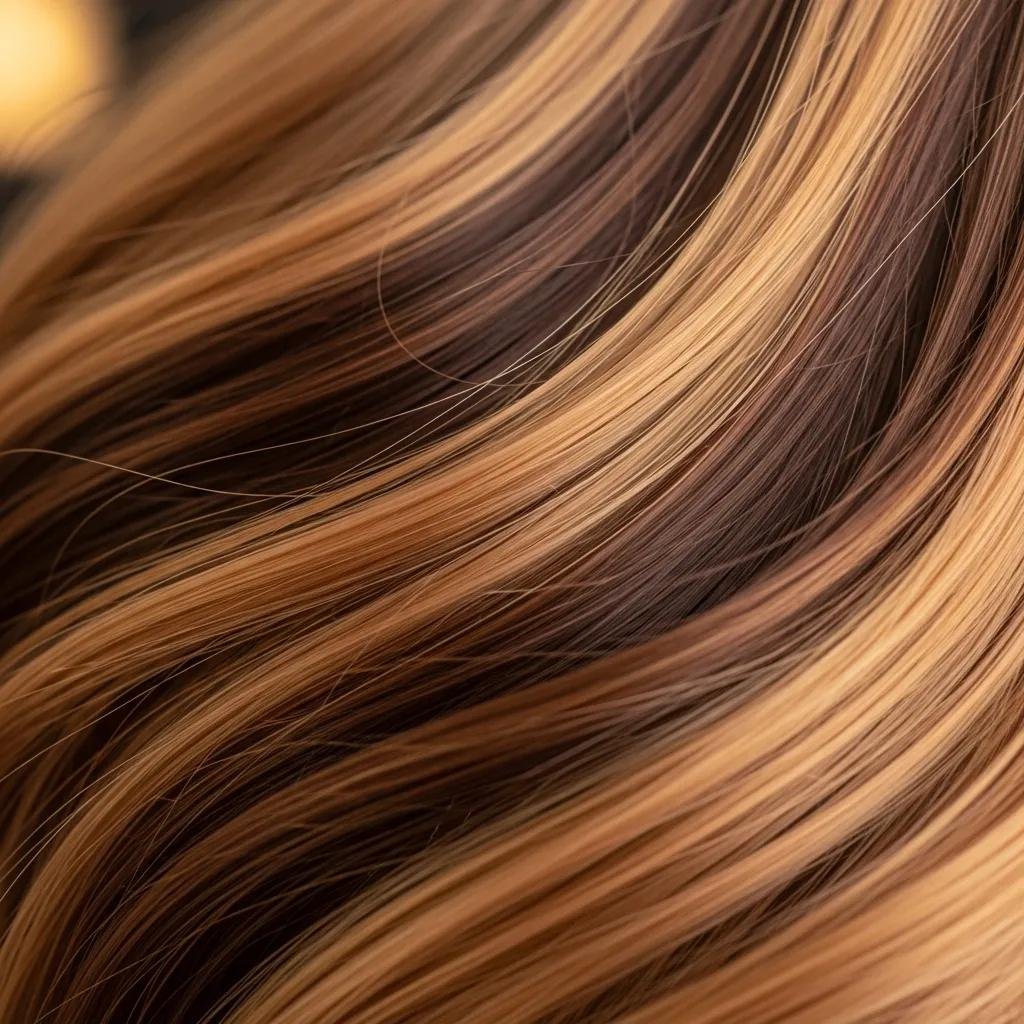
Lowlights give you several practical benefits: they create the illusion of density, reduce brassiness, stretch the life of your color between salon visits, and avoid the need for heavy lifting. By placing darker strands next to bright sections, lowlights introduce natural depth so styles read as more textured and full. Because they usually require less bleaching than highlights, lowlights are gentler on the hair and support healthier long-term color plans. For clients who want multidimensional color without constant touch-ups, lowlights are an excellent choice.
Here are the main advantages to consider before your service.
The table shows how each benefit translates into real outcomes so you can match your priorities to the right service. Below we explain exactly how lowlights neutralize brass and why they’re lower maintenance.
Lowlights mute brass by introducing cooler or richer tones next to warm highlights, which visually balances oxidized yellow and orange undertones. Placing lowlights near lightened sections softens bright areas and keeps the overall look blended—think honey-blonde highlights warmed with subtle ash-brown lowlights to reduce brass while preserving brightness. This shade-pairing approach corrects tone without constant toning appointments.
They’re also low maintenance because darker pigment hides regrowth more naturally and typically doesn’t require new lifting. With less frequent bleaching involved, cumulative damage is reduced and touch-ups can be scheduled on a longer cadence than full highlight services.
Who Should Consider Lowlights? Identifying Ideal Candidates for Dimensional Color
Lowlights suit anyone who wants subtle, natural-looking dimension—people with over-highlighted or fine hair who need the illusion of volume, and clients looking to blend gray without harsh lines. They’re a corrective option when highlights look too bright or when hair needs visual weight at the roots and mid-lengths. During a consult we review base color, porosity, texture, and lifestyle to determine placement and depth. Knowing who benefits most makes it easier to choose between lowlights, highlights, or a combined dimensional plan.
Use these candidate profiles to see if lowlights are the right fit.
- Over-Highlighted Hair: Lowlights rebalance overly bright or damaged highlights.
- Fine or Thin Hair: Darker pieces create the illusion of density and reduce flatness.
- Gray Blending Needs: Subtle lowlights blend gray seamlessly without stark contrast.
- Low-Maintenance Preferences: Clients who prefer longer intervals between salon visits.
These profiles guide the consult and help map placement choices. The sections below dive into specific scenarios like over-highlighted hair and gray blending.
Can Lowlights Help Over-Highlighted or Fine Hair?
Absolutely. Lowlights are a corrective go-to for over-highlighted hair because they reintroduce mid- to low-tones that restore contrast and perceived thickness. For fine hair, targeted lowlights in the underlayers and near the crown create shadow that amplifies volume without weighing hair down. Best tones for fine or over-processed hair often include soft caramel, cool ash-brown, or muted espresso depending on the base—placed in ways that avoid heavy blocks or flattening. After the correction, maintenance focuses on gentle care and occasional glossing rather than repeated lightening.
How Do Lowlights Assist in Gray Blending and Subtle Transitions?
Lowlights help blend gray by adding pigments that mirror a client’s natural lowlights or base, creating gradual transitions between gray and colored hair to soften regrowth lines. Feathered placement near the root and temples produces a natural progression as hair grows—ideal for clients easing out of frequent color maintenance. Choosing a tone slightly deeper than the natural base gives coverage without an obvious “dyed” look. Maintenance timing depends on growth rate and gray density, but these strategies deliver subtle, low-effort transitions.
How to Choose the Right Lowlights for Your Hair Color?
Start by matching depth to the natural base and picking undertones that flatter your skin and existing highlights. For blondes, warm lowlights like caramel or honey add warmth while ash-brown lowlights neutralize brass in cooler blondes. For brown and dark hair, chocolate, espresso, and chestnut add richness without harsh contrast. In consults we test porosity, assess existing pigment, and discuss desired contrast so results don’t look muddy or flat. Below are practical shade starting points to help you decide.
Consider these shade pairings and what they achieve.
- Caramel / Honey with Warm Blonde: Adds warmth and soft contrast.
- Ash Brown with Cool Blonde: Neutralizes brass and preserves cool tones.
- Chocolate with Light Brown: Deepens without harsh lines.
- Espresso with Dark Brown / Black: Adds shine and definition with natural results.
These pairings show how undertone choices shape the final look and lead into the recommendations below for blondes and darker hair.
What Are the Best Lowlights Shades for Blonde Hair?
For blondes, choose lowlights based on whether you want warmth, neutrality, or anchoring depth: caramel and honey bring warmth, ash brown mutes brass, and beige-browns keep brightness while adding contrast. Typically choose a tone 1–3 levels darker than the lightest highlights to maintain balance—deeper if you want more anchor, shallower for a whisper of depth. Consider skin undertone: warm complexions pair well with golden lowlights; cool complexions do better with ash or neutral tones to avoid yellowing. A finishing toner or glaze helps blend everything seamlessly.
Which Lowlights Colors Complement Brown and Dark Hair Tones?
Brown and dark hair gain movement and richness from warm lowlights like chocolate and chestnut, while cooler espresso tones add definition without looking harsh. For medium browns, slightly darker chestnut lowlights warm the palette and enhance movement; for very dark hair, subtle espresso lowlights create contour and shine without appearing artificial. Placement matters: face-framing lowlights soften features, while underlayer lowlights boost lift at the crown. Thoughtful choices prevent flatness and elevate natural tones.
What Techniques Does Kylie Studio Salon Use to Apply Lowlights?
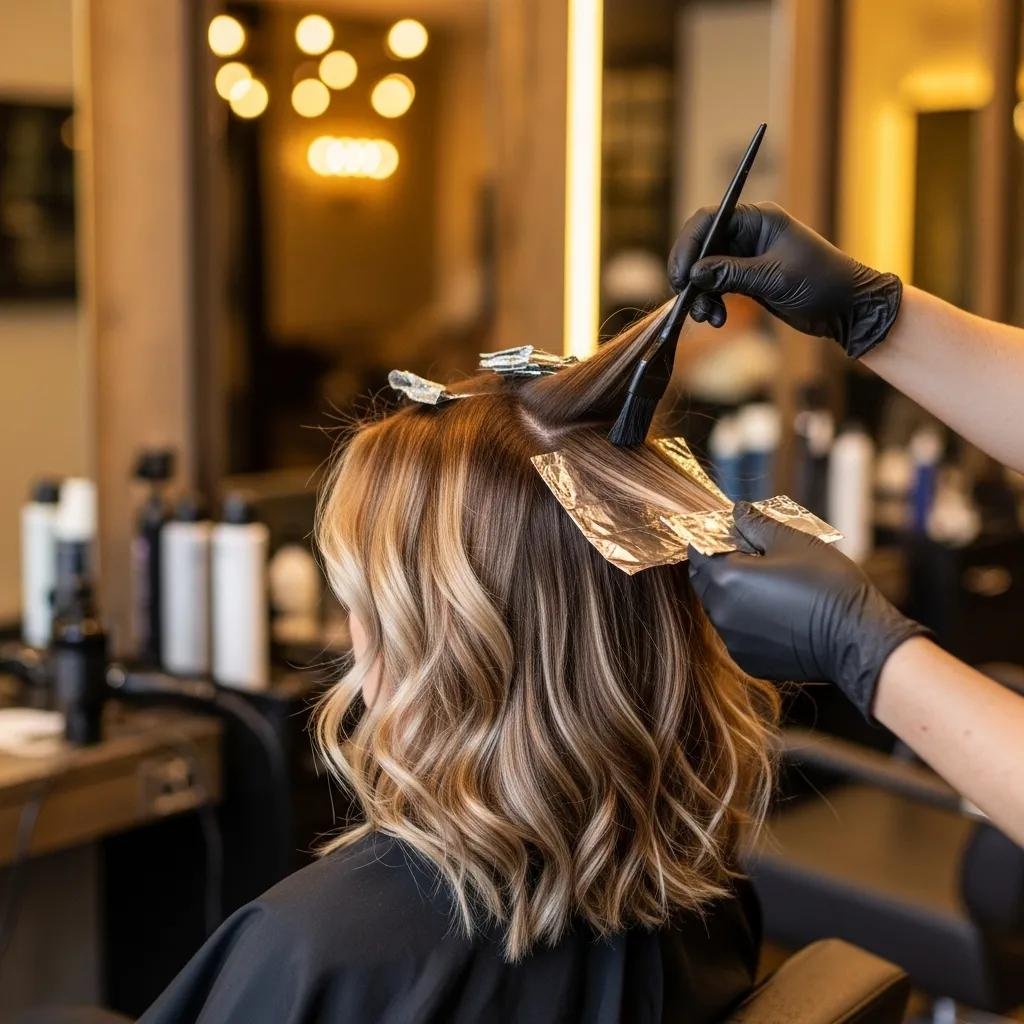
At Kylie Studio Salon we use several methods—precision foiling, freehand balayage, and reverse highlights—to tailor dimension to each client’s texture, base, and maintenance goals. Consultations, often with Ruth, map contrast, select undertones, and choose a method that preserves hair integrity while delivering natural depth. Precision foils give controlled, repeatable placement for defined contrast; balayage-based lowlights offer softer, lived-in results; and reverse highlights add contrast without harsh lines. The table below summarizes each technique to guide your consult.
This comparison helps you and your stylist pick the method that matches your visual goals and upkeep preferences. Below we expand on why foils deliver precision and why freehand approaches feel more lived-in.
How Does Foil Application Provide Precision in Lowlights?
Foil work lets us isolate strands and control placement, development, and pigment saturation so we get repeatable depth and crisp dimensional lines. It’s ideal for targeting density in the crown, face-frame, or mid-lengths and for clients who want predictable contrast. Foils also let us process lowlights in stages and protect surrounding hair from unwanted transfer. For targeted volume restoration or precise tone correction, foil lowlights give consistent, planable results.
What Are the Benefits of Balayage and Reverse Highlights for Dimension?
Balayage and reverse highlights create painterly, natural depth by placing darker tones in a freehand, graduated way that mimics natural shadow and growth. Balayage lowlights blend with hair movement and work especially well on textured or thicker hair where soft transitions enhance dimension without obvious regrowth lines. Reverse highlights—darker strokes woven among lightened strands—add contrast while keeping soft edges, perfect for correcting over-bright areas without heavy processing. Choose based on whether you want structure or softness in your dimensional color.
How to Maintain Your Dimensional Lowlights for Lasting Beauty?
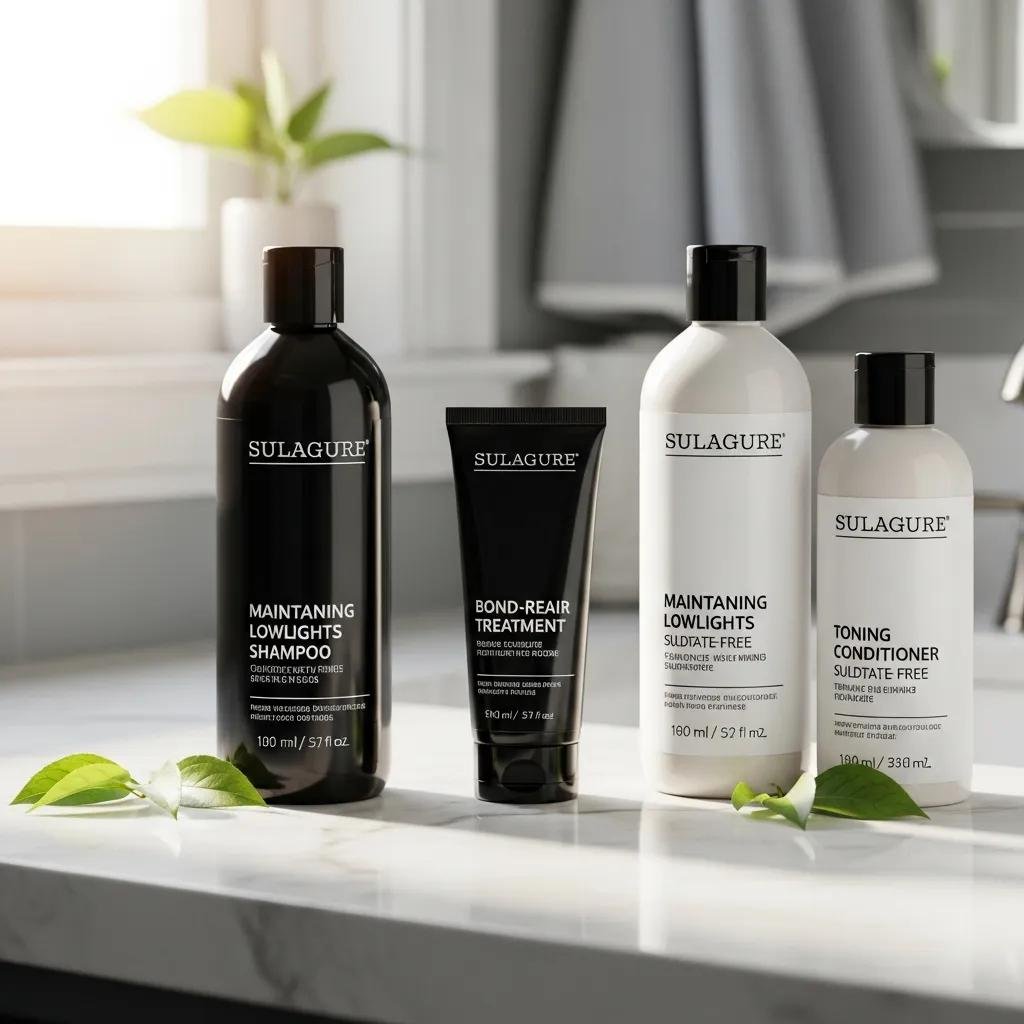
Keeping lowlights looking their best means protecting pigment, preserving hair structure, and planning salon refreshes. Use color-safe, sulfate-free shampoos and conditioners to avoid stripping pigments, and include bond-building treatments after color services to support strength. Styling habits—lower heat, heat protectants, and skipping daily washes—also help preserve depth and shine. The table below links product types with key ingredients and the benefits they bring for lowlights.
This product map gives a practical home-care framework and helps inform the refresh schedule we recommend next. Thoughtful product choices reduce corrective visits and keep dimension intact.
Here’s a compact list of must-have aftercare categories and why they matter.
- Color-safe, sulfate-free shampoo: Preserves pigment and prevents premature fading.
- Bond-repair treatment: Strengthens hair fibers after processing.
- Toning or glossing conditioner: Keeps undertones balanced and boosts shine.
- Heat protectant spray: Protects color from thermal styling.
Which Products Are Recommended for Lowlights Aftercare?
Prioritize a sulfate-free shampoo to protect pigment and a conditioner or treatment with amino acids or peptides to support tensile strength. Periodic glosses or demi-permanent glazes refresh tone without heavy processing. Use blue or purple toning products only when lowlights are paired with very light blondes that need brass control—otherwise they can shift intended warmth. Weekly bond-repair masks help repair cumulative styling damage, and leave-in protectants with UV filters prevent sun-related fading. Pick one product from each category—cleanser, conditioner, treatment, protectant—to create a simple, effective routine that preserves your dimensional color.
How Often Should You Schedule Touch-Ups for Lowlights?
Touch-up timing depends on technique and contrast: foil lowlights typically need salon attention every 8–12 weeks for defined zones, while balayage lowlights can often go 12–16 weeks or longer thanks to blended grow-out. Gray blending schedules vary with gray percentage and preference but commonly fall around 8–12 weeks. Return when root contrast changes the look, brass becomes noticeable, or tone and shine start to fade. Setting a refresh cadence during your initial consult helps you plan budget and timing for long-term color goals.
To book a consult or schedule a lowlight refresh, call Kylie Studio Salon to discuss options and arrange a color mapping session with Ruth. She leads consultations and tailors technique selection to each client’s needs—so your dimensional plan fits your lifestyle, hair health, and the look you want to achieve.
Frequently Asked Questions
1. Can I get lowlights if I have previously colored hair?
Yes — lowlights work well on previously colored hair. They’re often used to add depth to hair that’s been over‑lightened or to blend uneven highlights. Your stylist will assess color history and hair condition to pick shades and techniques that look natural while protecting hair health.
2. How do I prepare for a lowlight appointment?
Gather a few inspiration photos, avoid washing your hair for 24 hours before your appointment to let natural oils protect the scalp, and come ready to discuss your hair history, maintenance preferences, and any concerns. That helps your stylist create a tailored plan.
3. Are lowlights suitable for all hair types?
Lowlights suit straight, wavy, and curly hair, but technique and placement vary by thickness and porosity. Fine hair benefits from strategic placement to create volume; thicker hair can carry broader strokes for a seamless blend. A consult will determine the best approach for your texture.
4. How do lowlights affect hair health compared to highlights?
Generally, lowlights are less damaging than highlights because they usually avoid bleaching and heavy lifting. Adding darker pigments preserves more of the hair’s integrity, making lowlights a gentler option for achieving dimension.
5. Can I do lowlights at home, or should I go to a salon?
While DIY lowlights are possible, we strongly recommend a professional for the best results. Stylists know how to choose shades, place sections, and control processing—avoiding uneven color or unwanted tones that can happen with at-home kits.
6. How do I choose the right lowlight color for my skin tone?
Match undertones to your skin: warm complexions pair nicely with golden or caramel lowlights; cool complexions typically suit ash or neutral shades. Pick colors only a few shades darker than your base for a natural look, and consult a stylist for the perfect match.
7. What should I do if I don’t like my lowlights after the appointment?
If you’re unhappy, tell your stylist right away. Most salons offer follow-up adjustments and can recommend fixes. Avoid trying to correct it yourself—leave it to a professional who can assess and address the issue safely.
Conclusion
Lowlights are a subtle, effective way to add depth, reduce brass, and create a more natural-looking, low-maintenance color. This guide covered the science, techniques, and who benefits most, and highlighted why a personalized consultation matters. To get the dimensional look you want, schedule a consultation with Kylie Studio Salon—our team will build a plan that suits your hair, lifestyle, and goals. Embrace lowlights and discover a richer, more natural finish.