Extend Your Keratin Treatment: Expert Aftercare Tips & Handpicked Products for Lasting Results
A professional keratin treatment smooths and strengthens hair by infusing keratin proteins into the cuticle. The result: less frizz, faster styling, and more shine and manageability from day one.
This guide gives practical aftercare steps and product choices to help your keratin treatment last—so your hair stays smooth, hydrated, and protected between salon visits.
Many treatments fade early because of harsh shampoos, unprotected swimming, or tight hairstyles. Here we explain why those things matter and offer clear timelines, product recommendations, and simple daily habits you can follow.
You’ll find an easy-to-follow 72-hour do’s and don’ts list, salon-approved sulfate-free product categories, tips for protecting against heat, sun, and swim exposure, and a straightforward maintenance checklist you can keep up without extra fuss.
Sections cover how the treatment works, a concise 72-hour timeline tuned for quick answers, a product comparison for keratin-safe shampoos and conditioners, protection strategies for environmental stressors, and local advice from Ruth at Kylie Studio Salon in Bethesda, MD.
What a Keratin Treatment Does — and Why Aftercare Matters
Keratin treatments use a protein-rich formula to fill and seal the hair cuticle, creating a smooth outer layer that reduces frizz and improves shine. The coating and bonding process needs time to set; during that window, improper products or rough handling can weaken the seal. Knowing how the treatment bonds to the hair helps you pick the right products and habits to preserve results and keep hair healthy.
Next, we’ll break down how those cosmetic improvements happen at the cuticle level and why that affects everyday styling.
How Keratin Makes Hair Look and Feel Better
Keratin smooths raised cuticle scales and fills tiny gaps with protein, which reduces light scattering and gives hair a shinier surface. Smoother cuticles detangle more easily, so there’s less breakage from combing and you need less heat to style—both of which help overall hair health.
The treatment also reduces porosity where it’s applied, so treated sections resist humidity-driven swelling that causes frizz. Most clients see easier blow-drying and straighter styles that last weeks to months; fading depends on water exposure, product choice, and daily wear. That’s why consistent aftercare makes a real difference in how long results last.
How Good Aftercare Protects Your Keratin Results
Aftercare preserves the keratin coating by minimizing chemical and mechanical stress—things like sulfates, unprotected high heat, and high-chloride water can break down the protein layer. Sulfate detergents and sodium chloride can dissolve the coating, and repeated high-heat styling without a protectant can denature proteins. Gentle handling, compatible cleansing, and protective habits keep the bonds intact so your smooth, manageable hair lasts longer between touch-ups. That brings us to the critical first 72 hours after your appointment.
Immediate Aftercare: What to Do in the First 72 Hours
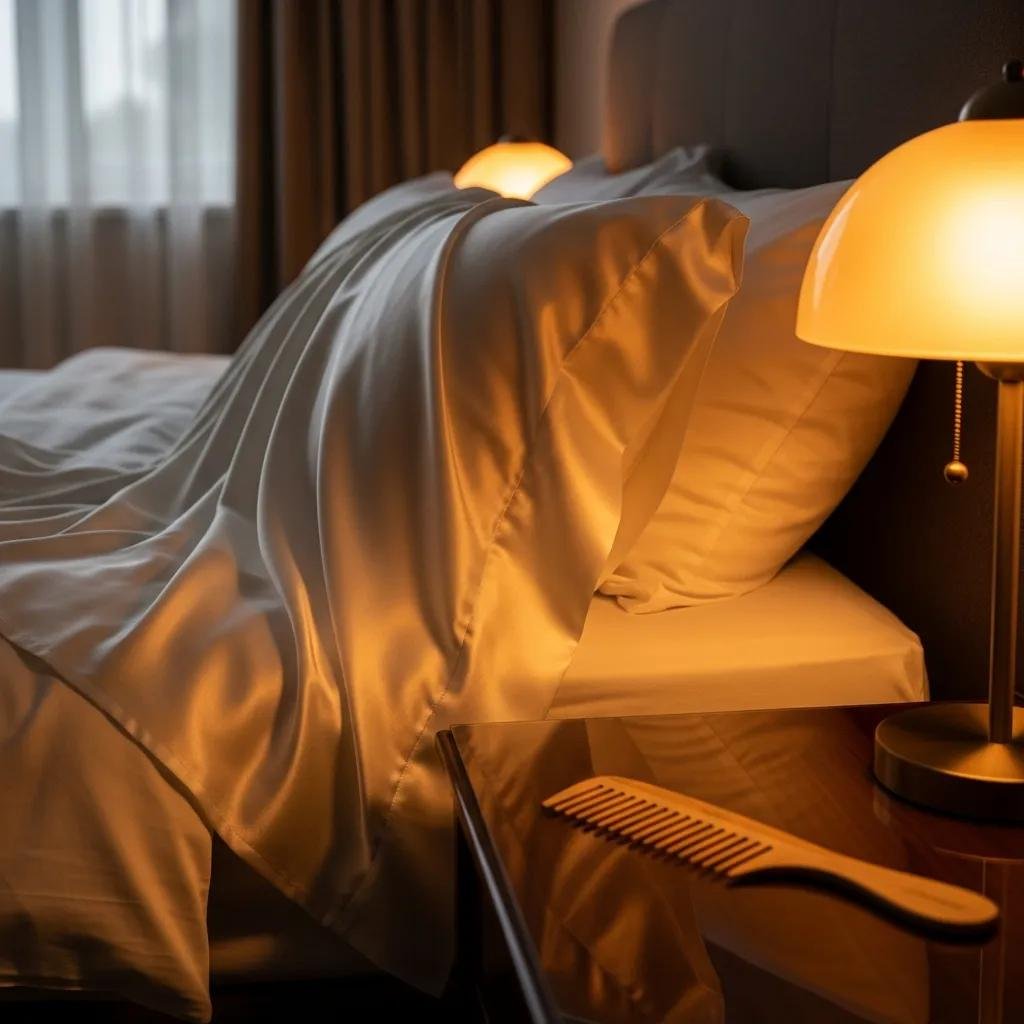
Right after a keratin treatment, your hair needs time to cure so the keratin adheres firmly to the cuticle. Heat-activated bonding and sealant setting continue for days, so physical manipulation or the wrong products during this phase can lift the treatment. Focus on minimizing friction, moisture, and tension, and only use recommended keratin-safe products if you must.
Below is a clear, prioritized timeline designed for quick reference and featured-snippet clarity, followed by a compact table that explains each action and why it matters.
Follow this numbered timeline for the first 72 hours:
- Avoid washing hair for 48–72 hours: Water and shampoos can interrupt the curing process and remove freshly applied keratin.
- Keep hair loose and untied: Tight ponytails, braids, or clips create creases and pressure points that trap moisture and distort the keratin layer.
- Sleep on a clean silk or satin surface: Silk reduces friction that can wear the protein coating and helps prevent tangles overnight.
- Skip heavy sweating and steam: Saunas, very intense workouts, and steam rooms add moisture and heat that may compromise bond formation.
- Use only keratin-safe, sulfate-free products if absolutely needed: If you must cleanse, choose low-surfactant, salt-free formulas recommended for post-treatment care.
- Avoid chemical services and pools: Do not color, perm, or swim for at least 72 hours to protect the treatment from destabilizing exposures.
The table below summarizes these immediate steps in a compact, scannable format for quick reference.
These precautions protect fragile bonds during the treatment’s curing window. Next, we translate the timeline into short, practical do’s and don’ts you can follow day to day.
Do’s and Don’ts to Protect Your Keratin Bonds Early On
In the first three days, a few simple do’s and don’ts make aftercare easy. Do sleep on silk, use loose hair ties if needed, and avoid wetting your hair. Don’t shampoo, tie hair tightly, or expose it to steam. Small swaps—elastic bands for fabric scrunchies, loose styles instead of tight braids, and timing workouts to avoid heavy sweating—go a long way. Following these rules during the curing window helps your treatment last longer and keeps hair smoother in the weeks ahead.
How to Minimize Damage and Frizz While Hair Cures
Protect hair from mechanical damage and humidity while it sets by detangling gently and controlling indoor moisture. Use a wide-tooth comb or soft paddle brush, start detangling from the ends, and avoid rough brushing on wet strands. Keep home humidity moderate and hold off on anti-frizz serums until after the initial 72 hours—until then rely on physical protections like silk pillowcases and loose styling. If frizz shows up after curing, your stylist can suggest small touch-ups that won’t compromise the full treatment.
Best Sulfate-Free Shampoos and Conditioners for Keratin-Treated Hair
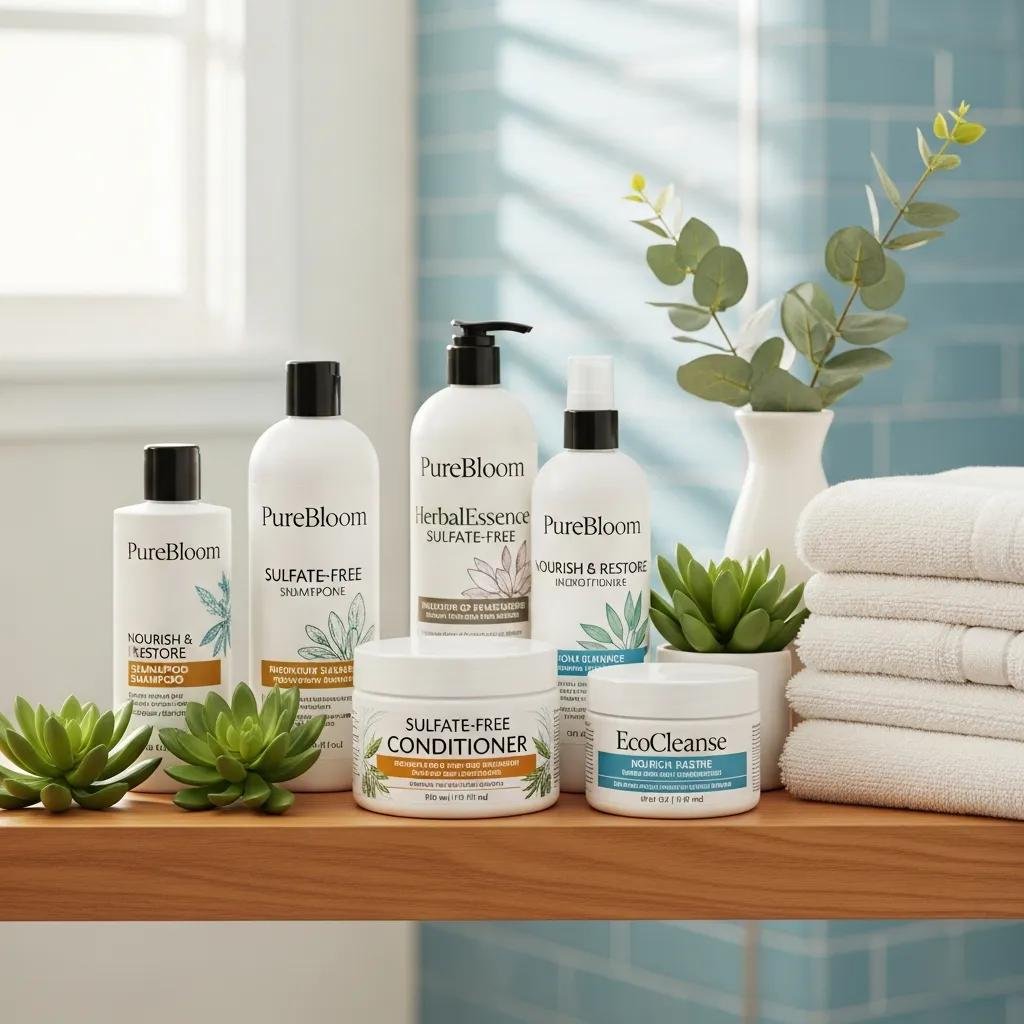
Sulfate-free shampoos and sodium chloride–free conditioners help preserve keratin by gently cleansing without stripping the protein seal. Sulfates (SLS, SLES) are strong detergents that can remove the keratin coating over time, and added salt can speed up protein fading and roughen the cuticle. Look for low-surfactant, moisturizing formulas with humectants and mild cleansers to keep hair hydrated and smooth.
The table below compares keratin-safe product types and their main benefits.
When choosing products, check labels for “sulfate-free” and “salt-free” and prioritize hydrating ingredients like glycerin, panthenol, and mild amino-acid cleansers. Kylie Studio Salon stocks select keratin-safe lines chosen to complement our services and reduce compatibility issues between salon treatments and at-home care. If you shop elsewhere, avoid harsh detergents and salts and favor hydration and light smoothing agents. For tailored pairing and frequency based on your hair’s porosity and lifestyle, book a consult with one of our stylists.
Why Sulfate-Free Formulas Matter for Keratin
Sulfate-free cleansers use milder surfactants that remove dirt without breaking protein bonds, which helps preserve smoothness and shine. These formulas usually include conditioning agents that protect moisture balance and reduce strand friction—a big factor in frizz control. Avoiding sodium chloride is important too, because salt can accelerate keratin loss and roughen the cuticle. Picking the right cleanser and conditioner can reduce how often you need touch-ups and make the treatment more cost-effective over time.
Kylie Studio Salon’s Recommended Keratin-Safe Product Types
Protecting Your Keratin Treatment from Environmental and Styling Damage
UV, chlorine, saltwater, and excessive heat can all wear down the keratin coating. Heat at uncontrolled temperatures can denature proteins, UV light oxidizes surface lipids and dulls shine, and chlorinated or salty water can strip the protective layer. Simple defenses—heat protectants, UV shields like hats or serums, and swim prep routines—help reduce damage and preserve your results.
The table below matches common threats with practical protections and the expected outcomes so you can choose the right defenses.
This quick reference shows which actions give the biggest preservation benefit. The sections below walk through heat/UV protection and safe swimming practices in more detail.
Which Heat Protectants and UV Shields Work Best?
Choose heat protectants that form a thin insulating layer, balance humectants to prevent drying, and avoid high-salt carriers that could harm the keratin. Apply evenly on dry or slightly damp hair, comb through, and let set briefly before using heat tools at a controlled temperature. For sun protection, lightweight sprays or styling products with UV filters stabilize surface lipids and reflect rays. Using both heat and UV protection when needed significantly lowers the risk of keratin breakdown.
Swimming: How to Avoid Chlorine and Saltwater Damage
Chlorine and saltwater can degrade the keratin coating and dry hair out, so prepare before you swim and rinse thoroughly afterward. Wet your hair with fresh water and apply a barrier oil or leave-in conditioner to limit absorption of pool or ocean water; a tight swim cap adds physical protection when possible. After swimming, rinse with fresh water and use a keratin-safe clarifying rinse followed by a moisture-rich conditioner to remove residues without harsh sulfates. If you swim often, talk with your stylist about timing treatments around heavy swim periods to avoid faster fading.
Daily Maintenance for Long-Lasting Keratin Results
A simple, consistent routine of gentle cleansing, protective styling, and occasional restorative treatments keeps hair smooth, hydrated, and manageable between salon visits. Tailor wash frequency to your hair type, detangle with the right tools, minimize nightly friction, and use light leave-ins when needed. Regular light conditioning and an occasional deep, keratin-safe mask help replenish moisture without introducing sulfates or heavy salts that speed keratin loss. These habits lower styling time and heat exposure, which helps preserve your treatment longer.
Everyday actions to adopt:
- Wash 2–4 times per week depending on oiliness and lifestyle; less frequent washing helps preserve keratin.
- Use a wide-tooth comb before brushing to detangle gently and avoid breakage while styling.
- Apply a light leave-in serum after washing to lock in moisture and shield against humidity.
- Sleep on silk or satin to cut down friction and keep hair smooth.
- Limit heat styling and use a protectant every time to reduce thermal wear on the treatment.
These repeatable steps create a low-maintenance routine that protects the keratin layer and keeps hair looking freshly styled longer.
How Often to Wash and Brush Keratin-Treated Hair
Wash frequency depends on scalp oil, activity level, and climate—2–4 times per week is a good starting range using a sulfate-free shampoo. Overwashing exposes the keratin layer to water and cleansing agents too often, while under-washing can cause buildup that weighs hair down. Brush gently with a wide-tooth comb or soft-bristle brush, starting at the ends and working up to avoid unnecessary stress. Adjust seasonally and around swim or sweat exposure, and ask your stylist for a personalized schedule that suits your routine.
Why Silk Pillowcases and Leave-In Treatments Help
Silk pillowcases reduce overnight friction and abrasion, helping the keratin-coated surface stay smooth and preventing split ends. Leave-in treatments made for keratin-treated hair add a lightweight protective layer that resists humidity and makes detangling easier. Used together, these nightly and post-wash choices reduce cumulative damage, lower breakage risk, and help sustain the glossy finish keratin provides.
Local Support and Expert Aftercare in Bethesda
If you want local aftercare guidance and follow-ups, Kylie Studio Salon in Bethesda offers keratin services, product recommendations, and personalized consultations to help you keep results longer. We focus on one-on-one advice—matching products and timing to your hair type and lifestyle. The salon stocks keratin-safe products and offers free consultations to build a maintenance plan tailored to you. For help or to book a follow-up, contact the salon and schedule time with a stylist.
Ruth’s Top Aftercare Tips from Kylie Studio Salon
Ruth, owner and stylist at Kylie Studio Salon, recommends three practical aftercare habits she shares with clients: stick to sulfate-free cleansing, protect hair before swimming with a barrier oil or cap, and switch to silk sleep accessories to cut nightly friction. She also customizes wash frequency to each client—active clients may need gentle cleanses more often, while less active clients can extend time between washes. Bring a photo of your daily routine to a consultation so Ruth can tailor product and styling suggestions that work for your real life. To book a free consult or schedule a keratin follow-up, call or request an appointment with Ruth and the team.
For appointments, product availability, or post-treatment guidance, contact Kylie Studio Salon by phone or visit us in Bethesda. We’ll create a targeted maintenance plan to help your keratin treatment last and recommend the best keratin-safe products for your hair.
Frequently Asked Questions
1. Can I color my hair after a keratin treatment?
We recommend waiting at least two weeks after a keratin treatment before coloring. That gives the keratin time to fully set and bond to the cuticle so the treatment’s benefits aren’t compromised. If you need color sooner, talk with your stylist about the safest approach.
2. How long does a keratin treatment typically last?
Most keratin treatments last three to six months, depending on hair type, how you care for it, and environmental exposure. Using sulfate-free, sodium chloride–free products and following aftercare advice will help extend those results.
3. What should I do if my hair feels dry after a keratin treatment?
If hair feels dry, add a moisture-rich, keratin-safe conditioner and consider a leave-in treatment to restore hydration. Avoid sulfates and high-salt products that strip moisture. If dryness continues, bring your hair to your stylist for a personalized recommendation.
4. Is it safe to use heat styling tools on keratin-treated hair?
Yes—heat tools are fine when you use a heat protectant spray or serum first. Keep styling temperatures below 400°F equivalent to avoid denaturing keratin proteins, and always let the protectant set before applying heat.
5. How can I tell if my keratin treatment is fading?
Signs of fading include more frizz, harder styling, and a return to your natural texture. Hair may absorb more moisture and look puffier in humidity. If you notice these changes, it’s probably time to schedule a touch-up.
6. Are there any foods or supplements that support hair health after treatment?
A balanced diet helps hair health. Foods with omega-3s like salmon and walnuts support hydration and shine. Supplements such as biotin and vitamin E can help strengthen hair, and staying hydrated with a variety of fruits and vegetables supports overall hair appearance.
7. Can I use regular hair products after a keratin treatment?
It’s best to avoid products with sulfates, sodium chloride, or harsh chemicals after a keratin treatment because they can strip the keratin layer. Choose sulfate-free, keratin-safe products designed for treated hair to maintain smoothness longer.
Conclusion
Keeping your keratin treatment looking its best is mostly about consistent, simple care: follow the 72‑hour rules, choose sulfate- and salt-free products, protect against heat and chemicals, and adopt gentle daily habits. For tailored advice and salon-recommended products, book a consultation with Kylie Studio Salon—our team will help you create a routine that fits your hair and lifestyle so your treatment lasts as long as possible.